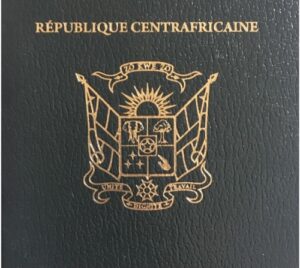
The Central African passport has been ranked 160th globally and 39th among African nations in the 2026 Passport Reports ranking. This places the Central African Republic's travel document in the bottom half of African countries assessed, providing facilitated access to 32 out of 53 African destinations. Out of 54 ranked African nations, the Central African passport holds the 39th position, reflecting its mobility score of 58 points. This global ranking of 160th shows the significant limitations Central African citizens face when seeking international travel. The 2026 Passport Reports ranking provides a full assessment of global travel freedoms, placing the Central African passport within a category that necessitates substantial advance planning for most international journeys. The methodology for calculating these rankings considers various factors, including visa-free access, visa on arrival, and electronic travel authorization requirements, all contributing to the overall mobility score.
African Travel Landscape
The Central African passport's mobility score of 58 points is calculated based on access to 23 destinations without a visa, 32 destinations with visa on arrival or simplified entry, and 3 destinations requiring electronic travel authorization (eTA). This full calculation method provides a detailed picture of the ease of travel for Central African citizens across different entry requirements. Overall, 60.4% of the 53 African destinations evaluated do not require a visa obtained prior to travel for Central African passport holders. This proportion includes 24.5% accessible without a visa, 32.1% requiring a visa on arrival or simplified entry, and 3.8% needing electronic authorization. These figures highlight that while a majority of African countries offer some form of facilitated entry, a significant portion still requires advance visa applications. Conversely, the remaining 21 destinations, representing 39.6% of the total, require Central African travelers to obtain a visa in advance. This means that nearly two-fifths of African nations necessitate a pre-approved visa, adding a layer of complexity and time to travel plans for Central African citizens.
Eight countries offer visa-free access for Central African passport holders: Benin, Burkina Faso, Chad, Equatorial Guinea, Ivory Coast, Gabon, Cameroon, and Senegal. These eight nations permit stays of up to 90 days, offering considerable flexibility for short-term visits for tourism, business, or family engagements without the need for prior visa applications. This allows for spontaneous travel and reduces administrative burdens for Central African citizens planning trips to these West and Central African nations. Kenya provides a 60-day visa-free stay, offering another significant destination for Central African travelers. This extended period allows for more full travel experiences within Kenya. Togo limits visa-free stays to 30 days, providing a shorter but still valuable window for entry without a visa. These visa-free agreements facilitate regional integration and ease of movement within specific parts of the continent.
Several countries offer visa on arrival or simplified entry for Central African travelers. These include Burundi, Djibouti, Ethiopia, Guinea, Guinea-Bissau, Democratic Republic of Congo, Madagascar, Mauritius, Mozambique, Namibia, Nigeria, Sierra Leone, Tanzania, and Uganda. The availability of visa on arrival or simplified entry processes significantly reduces the pre-travel administrative burden, as travelers can obtain their entry permits upon arrival at the destination airport or border crossing. This category of facilitated entry is particularly beneficial for those who may need to travel on shorter notice or prefer to avoid the often lengthy and complex visa application processes required in advance. These options broaden the scope of accessible destinations within Africa for Central African passport holders, making travel more feasible for various purposes, from tourism to business.
Two African countries currently utilize only electronic travel authorization: Ghana, which permits a 30-day stay, and Seychelles, allowing a 90-day stay with mandatory tourist registration. Electronic travel authorization (eTA) systems streamline the entry process by allowing travelers to apply and receive authorization online before their trip, often quicker and less cumbersome than traditional visa applications. For Ghana, the 30-day eTA provides a convenient option for short visits, while Seychelles' 90-day eTA, coupled with mandatory tourist registration, caters to longer stays, particularly for leisure travelers. These digital systems represent a modern approach to border management, aiming to balance security with traveler convenience.
Outside of Africa, Bangladesh, Barbados, Bolivia, Djibouti, Ethiopia, Philippines, Ghana, Kenya, Malaysia, Nepal, Seychelles, Singapore, Sri Lanka, and Vietnam grant facilitated entry to Central African travelers. This list includes a mix of countries across Asia, the Caribbean, and South America, offering diverse travel opportunities beyond the African continent. Facilitated entry, whether visa-free, visa on arrival, or eTA, to these nations provides Central African citizens with avenues for international exploration, business, and cultural exchange without the strict requirements of a traditional visa. However, it is important to note the reciprocal nature of travel policies. Citizens of these specific countries, however, require a visa to enter the Central African Republic. This notes a common imbalance in global visa policies, where citizens of some nations enjoy greater travel freedom than others.
Global Mobility Challenges
Globally, the Central African passport provides an access rate of 29.3% to destinations worldwide. This figure indicates that 140 destinations still require Central African passport holders to obtain a visa before departure. This low global access rate significantly restricts the international travel options for citizens of the Central African Republic, necessitating extensive planning and application processes for the vast majority of countries outside Africa. The requirement for a prior visa is universal across all 47 European destinations covered by the Passport Reports. This 100% visa requirement rate means that any Central African citizen wishing to travel to any country in Europe must undergo a full visa application process, which can be time-consuming, costly, and often requires extensive documentation and interviews. This barrier effectively limits tourism, business, and educational opportunities in Europe for Central African passport holders.
This 100% visa requirement rate extends to six countries in the Gulf region and five countries in Central Asia. For Central Asian nations, this means that travel for Central Africans is similarly restricted, requiring pre-approved visas for all listed countries in that sub-region. In the broader Middle East, 16 out of 17 destinations, representing 94.1% of the region, mandate a visa before departure for travelers from the Central African Republic. This near-universal requirement in the Middle East further shows the challenges faced by Central African citizens in accessing key global hubs for commerce, pilgrimage, and tourism in this geopolitically significant region. The stringent visa policies across Europe, the Gulf, Central Asia, and the broader Middle East collectively present substantial hurdles for Central African travelers.
Mobility for Central African passport holders in Asia is slightly more varied, with 13 out of 50 destinations offering facilitated entry. This facilitated access includes three destinations where no visa is required, nine destinations offering a visa on arrival, and one destination requiring an electronic travel authorization (eTA). While this offers some flexibility compared to Europe or the Middle East, the majority of Asian countries still require a prior visa, limiting options for Central African citizens. The Caribbean region provides facilitated entry to seven out of its 16 destinations. This relatively higher proportion of facilitated access makes the Caribbean a more accessible region for Central African travelers seeking leisure or business opportunities, though more than half of the destinations still require advance visas.
In North America, six out of 23 destinations offer facilitated entry for Central African passport holders. This indicates that while some options exist, the vast majority of North American countries, including major economic powers, maintain strict visa requirements. Oceania presents a similar pattern, with four out of 14 destinations allowing facilitated entry. This means that over two-thirds of the island nations and territories in Oceania require a prior visa, making travel to this geographically distant region challenging for Central Africans. South America offers the fewest options among these regions, with only three out of 12 destinations providing facilitated entry. This makes South America one of the most restrictive continents for Central African passport holders, with only a quarter of countries offering any form of eased entry.
Specific countries and regions, including the United States, the United Kingdom, Canada, and the entire Schengen area, all require Central African passport holders to obtain a prior visa for entry. These nations and regions represent some of the most significant global economic, political, and cultural centers, making their strict visa requirements particularly impactful. Travel to these key destinations for purposes such as education, business, tourism, or family visits is therefore subject to rigorous application processes, extensive documentation, and often high costs. This notes significant barriers to international travel for citizens of the Central African Republic in key global economic and tourist centers. The data from Passport Reports shows the limited global mobility afforded by the Central African passport, particularly outside of the African continent. The disparity in visa requirements across different regions further illustrates the challenges faced by Central African citizens seeking to travel internationally, emphasizing the need for full and often complex travel planning.
Reciprocal Entry Policies
The United Arab Emirates, Israel, Liberia, and Niger permit their citizens to enter the Central African Republic without requiring a visa, through an electronic travel authorization (eTA), or by obtaining a visa on arrival. This policy facilitates inbound travel from these four nations to the Central African Republic, potentially boosting tourism, business investments, and diplomatic relations with these countries. The ease of entry for citizens from the UAE, Israel, Liberia, and Niger reflects a welcoming stance from the Central African Republic towards these specific nations, streamlining their access for various purposes. However, citizens holding Central African passports face a different set of requirements when attempting to travel to these same countries. For all four nations—the United Arab Emirates, Israel, Liberia, and Niger—Central African passport holders are subject to a prior visa requirement. This means that travelers from the Central African Republic must secure a visa before their departure to any of these destinations, undergoing the full application process, which can include submitting extensive documentation, attending interviews, and paying application fees. The disparity in entry requirements notes a lack of reciprocal visa policies between the Central African Republic and these specific countries, indicating that while their citizens can enter the Central African Republic with relative ease, Central Africans face more stringent conditions for entry into those nations. This non-reciprocal arrangement shows a broader trend in international travel policies where passport strength and geopolitical considerations often dictate the ease of cross-border movement.