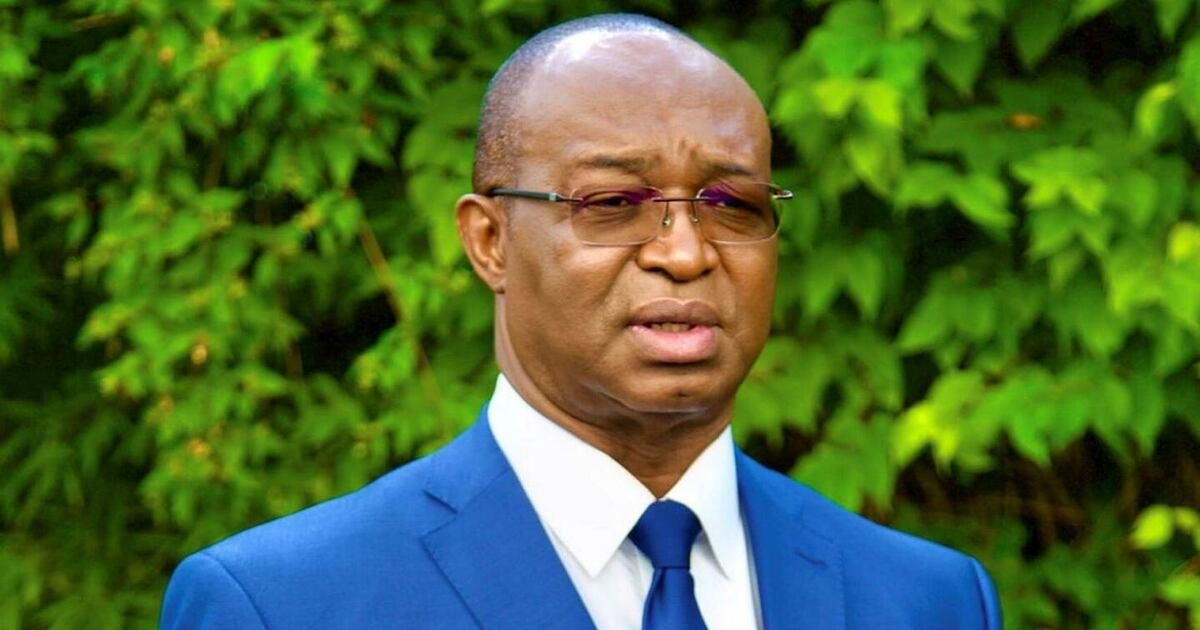
Central African opposition leader Anicet Georges Dologuélé publicly denounced the confiscation of his diplomatic passport on May 6 in Bangui, preventing him from traveling to an African Union meeting. Dologuélé stated the seizure stopped him from boarding a flight to Addis Ababa, Ethiopia. The incident occurred on May 6 in Bangui, the capital of the Central African Republic. Reports indicated he was due to attend the African Union parliamentary session. This action by authorities has sparked concerns regarding the freedom of movement for opposition figures within the country. Dologuélé’s diplomatic passport, which facilitates international travel for official duties, was specifically targeted, raising questions about the motivations behind the confiscation.
Political Opposition and AU Role
Anicet Georges Dologuélé heads the Union pour le renouveau centrafricain (URCA), a significant political party in the Central African Republic. As president of the Union pour le renouveau centrafricain (URCA), Dologuélé plays a prominent role in the nation's political landscape. He previously held the position of prime minister of the Central African Republic from 1999 to 2001, giving him considerable experience in national governance. His tenure as prime minister spanned a key period in the country's history. Dologuélé has also served on the board of directors for the African Union Peace Fund since 2018, contributing to the continental organization's financial mechanisms for peace and security initiatives. His involvement with the African Union Peace Fund notes his commitment to regional stability and his established connections within the continental body. In a move last year, the opposition leader formally renounced his French citizenship, a decision that was widely noted within Central African political circles. This renunciation showed his dedication to his Central African identity and his political aspirations within the nation.
Allegations of Election Irregularities
Anicet Georges Dologuélé publicly challenged the legitimacy of last year's elections, stating the results were "very far from the truth." The opposition leader's comments reflect ongoing concerns regarding the electoral process in the Central African Republic. According to the country's electoral body, Dologuélé secured 13.1% of the votes in that election, placing him as a significant opposition candidate. His party, the Union pour le renouveau centrafricain (URCA), has been a vocal critic of the political landscape following the electoral outcome, consistently raising issues about fairness and transparency. Dologuélé's denouncement of the election results shows the broader tensions between the government and opposition figures in the Central African Republic, contributing to a climate of political uncertainty. His consistent questioning of the electoral process positions him as a leading voice for reform and accountability.
Dologuélé's Statement and Implications
Anicet Georges Dologuélé stated that the procureur de la République, the public prosecutor, was responsible for confiscating his diplomatic passport. The opposition leader indicated that his travel was intended for Addis Ababa, Ethiopia, where he had been invited by the president of the Commission of the African Union. Dologuélé was scheduled to participate in a peace summit, an event of significant diplomatic importance for the region. His account identifies the public prosecutor as the authority behind the travel restriction, a detail that points to official government action. The invitation by the president of the Commission of the African Union for a peace summit further emphasizes the high-level nature of the meeting Dologuélé was prevented from attending. This incident has raised concerns among international observers about the treatment of opposition leaders and the implications for democratic processes in the Central African Republic. The direct involvement of the public prosecutor in preventing an opposition figure from attending an international peace summit suggests a deliberate attempt to curtail his activities and influence on the regional stage.