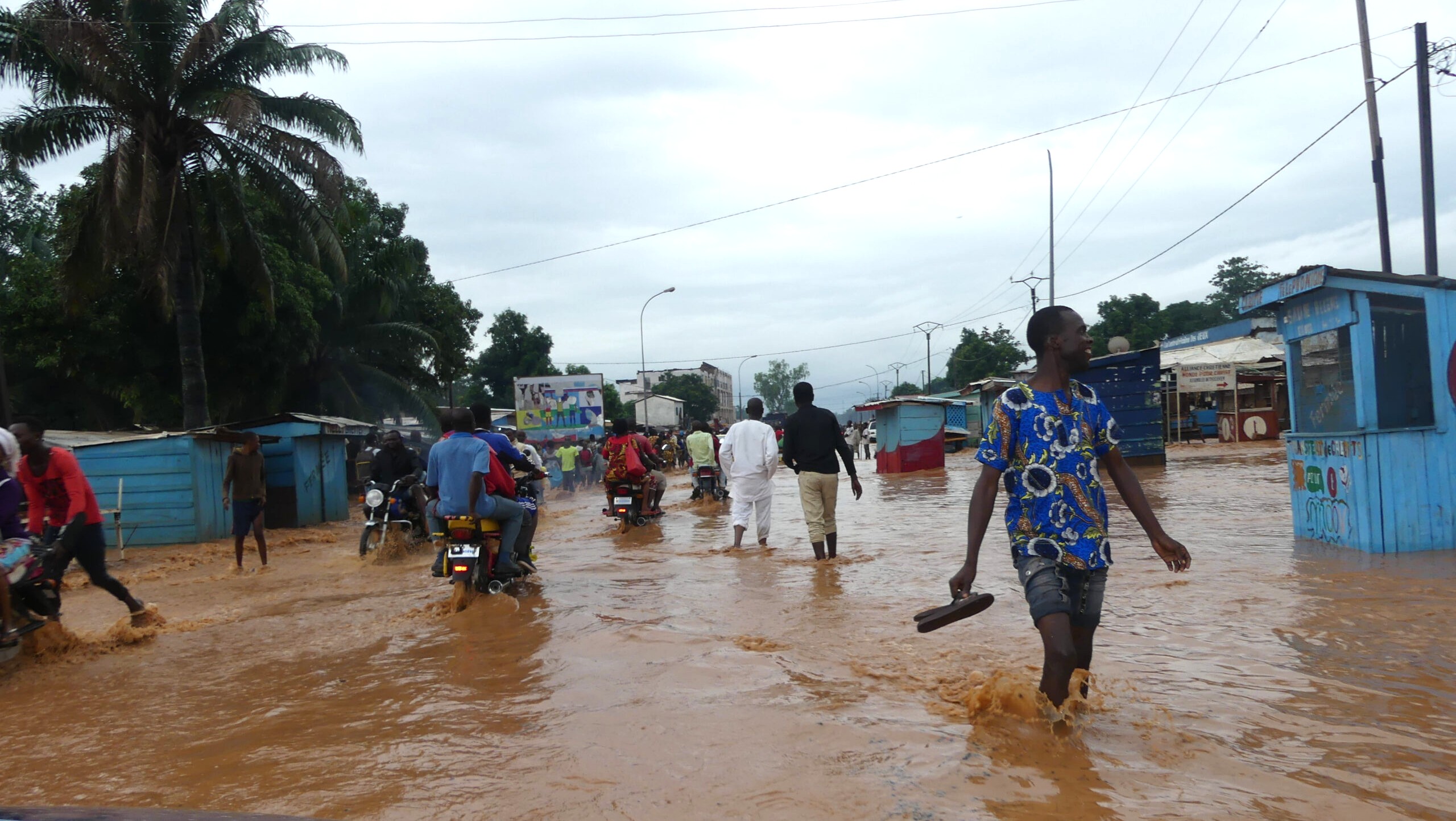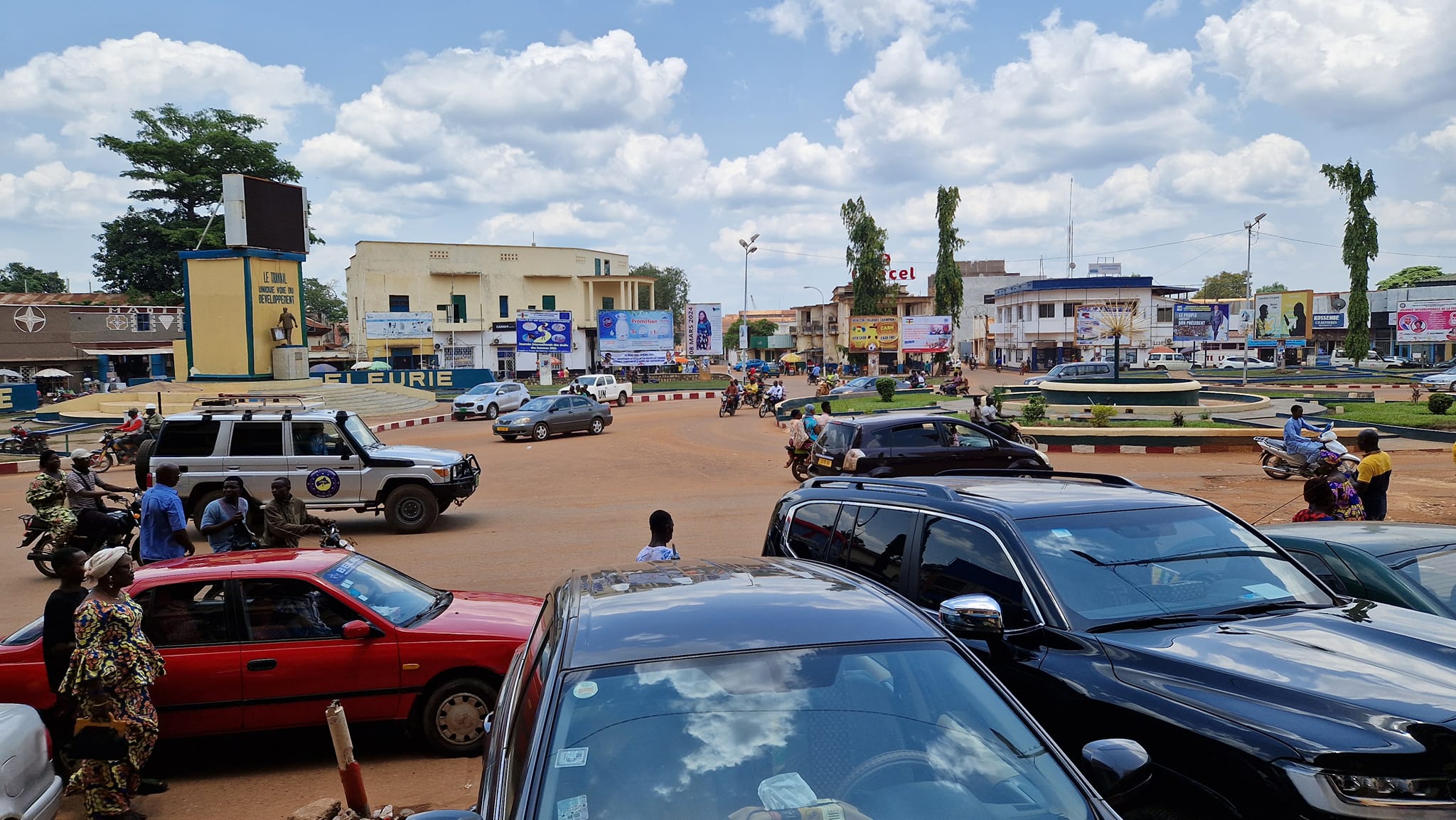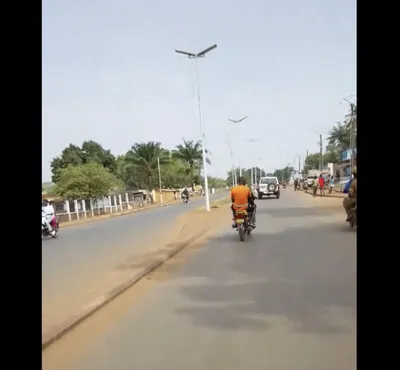
The Central African government has faced mounting criticism regarding the slow progress of its road repair initiatives, with only 500 meters of road reportedly repaired over two months. This limited progress has drawn considerable scrutiny from the public and local officials, particularly in key urban centers such as Bangui, where infrastructure improvements are urgently needed to facilitate daily life and commerce. The exceptionally slow pace of work is being noted as a significant and pressing concern, especially given the extensive and widespread damage to the country's vital road network. The condition of these roads directly impacts the livelihoods of citizens and the nation's economic potential.
Government's Decade in Power
The pace of road works has been explicitly described as "pathetic," according to the article, reflecting a deep frustration among observers and residents alike. This alarmingly slow progress contributes significantly to the ongoing degradation of the country's already fragile road network. The consequences are broad, as this deterioration in turn severely limits economic exchanges between various regions, stifling local economies and hindering national development. The widespread impact of inadequate infrastructure is acutely felt across the entire Central African Republic, effectively hindering trade, restricting access to markets, and diminishing overall connectivity for local populations who rely on these routes for essential services and livelihood. The cumulative effect of years of neglect and insufficient repairs has created a challenging environment for both residents and businesses.
Opposition's Scathing Critique
The specific road repair work that has drawn the most public scrutiny and criticism is situated on the axis leading to PK-12 in Bangui. This particular location serves as a stark example of the broader infrastructure challenges confronting the Central African Republic. The government's stated efforts to address the dilapidated road network have consistently been a point of contention, particularly concerning the observable progress, or lack thereof, in the capital city. Local residents, community leaders, and opposition figures have frequently and vociferously voiced their profound dissatisfaction with the sluggish pace of reconstruction and maintenance.
The condition of key transportation routes, such as the key axis to PK-12, remains a significant obstacle to daily life, impeding travel for commuters, and severely hampering economic activity within the city. Critics argue vehemently that the current rate of repairs is woefully insufficient to meet the urgent needs of the population and to adequately facilitate essential trade and connectivity across the nation's diverse regions. The persistent focus on this particular stretch of road in Bangui shows the critically limited scope and effectiveness of the current repair initiatives, noting a systemic issue rather than an isolated incident. The lack of visible progress contributes to a growing sense of disillusionment among the populace regarding the government's capacity to deliver on its promises.
Regime's Defense and Vision
The current Central African government has been in power for 10 years, a significant period during which infrastructure development, particularly concerning the nation's road network, has remained a persistent and unresolved challenge. Despite a decade in office, critics point to the government's limited progress on road repairs as compelling evidence of systemic issues and a perceived lack of effective action. The administration, however, maintains that it is deeply committed to improving the country's infrastructure, frequently emphasizing the inherent complexities involved in planning, funding, and executing large-scale public works projects in a challenging environment.
Officials frequently highlight various constraints, including severe financial limitations, the logistical hurdles of sourcing materials and expertise, and ongoing security concerns in certain regions, as significant factors contributing to the slow pace of development. These challenges, they argue, complicate efforts to implement rapid and full infrastructure improvements. However, the government has not yet provided specific, full timelines or detailed, actionable plans to accelerate the road repair initiatives, leading to continued public dissatisfaction and a demand for more concrete results. The absence of a clear roadmap for future improvements further fuels skepticism about the administration's ability to overcome these long-standing infrastructure deficits.