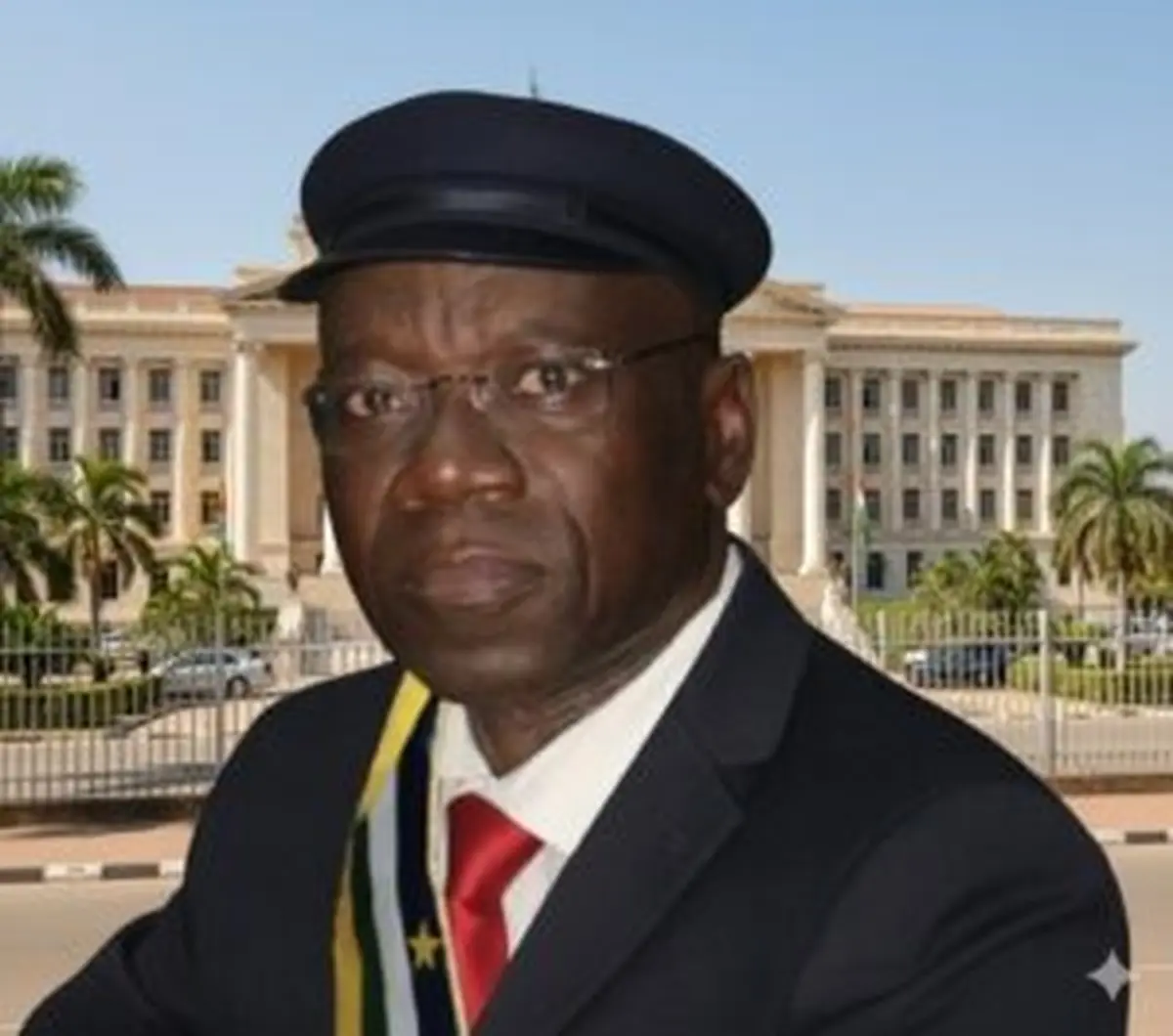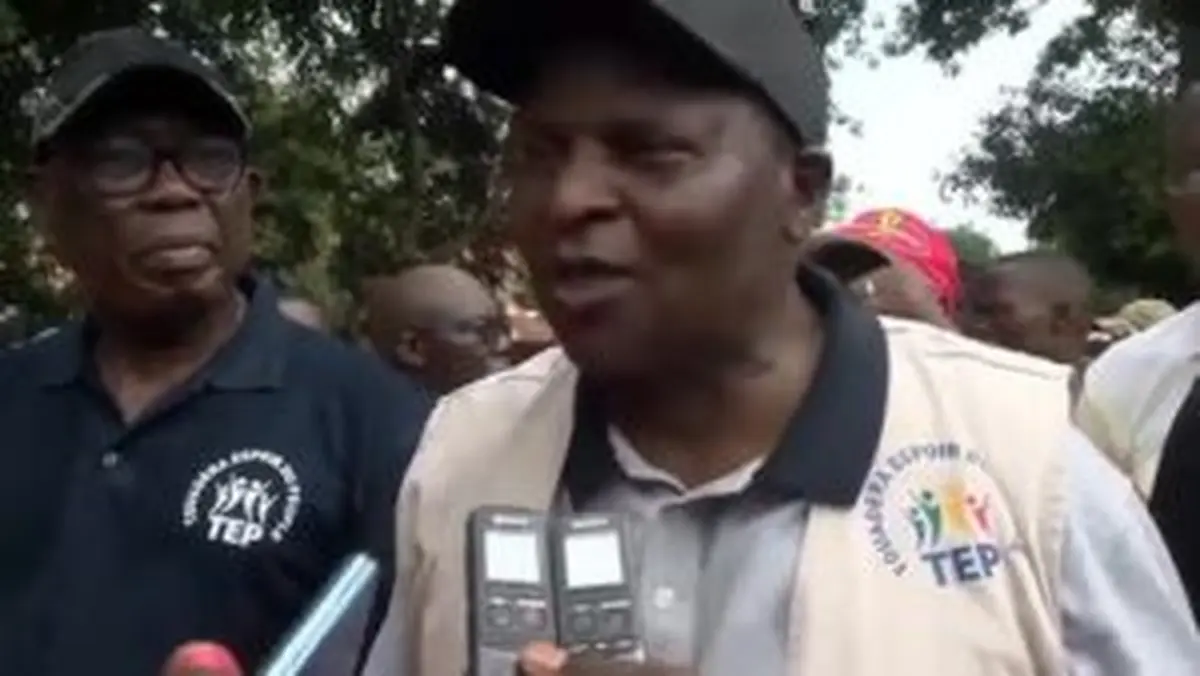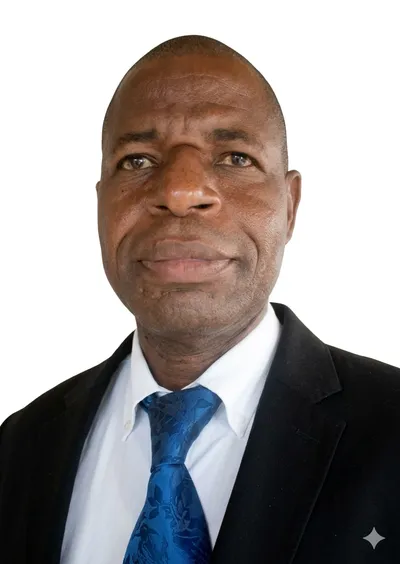
Maxime Balalou, former spokesperson for Emperor Touadera's government, recently noted perceived improvements in Bangui, Centrafrique, claiming the capital had transformed. Balalou stated, "Bangui est devenue véritablement la coquette que nous avons connue par le passé," and added, "Ce pays a changé." In English, this translates to Balalou stating, "Bangui is becoming truly the coquette we knew in the past." He also praised promotional efforts for a major event, noting, "Partout vous avez des affiches, partout vous avez des banderoles dans la ville pour signaler cet événement majeur." Balalou specifically praised "posters everywhere" and "banners in the city" as evidence of significant government activity and communication. The government's narrative includes additional airport pavilions and new traffic lights as evidence of progress, presented as tangible signs of development and modernization in the capital city.
Surface-Level Facade
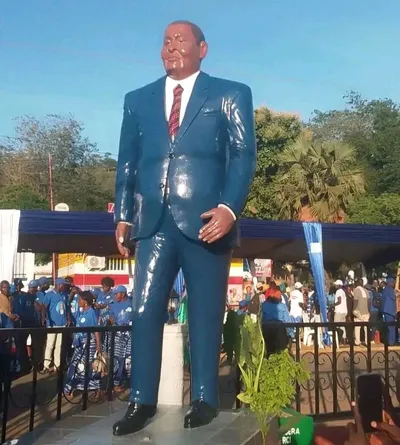
Maxime Balalou, former spokesperson for Emperor Touadera's government, emphasized the visibility of official communications, stating, "Everywhere you have posters, everywhere you have banners in the city to signal this major event." This statement showed the regime's efforts to project an image of progress and activity through widespread public messaging. This promotional activity coincided with the inauguration of a statue of Faustin Archange Touadera on March 28th. The statue was erected on the avenue Touadera, bearing the name of the current leader, further solidifying the visual narrative of the president's influence and achievements. The presence of such monuments, alongside the ubiquitous posters and banners, contributes to a carefully curated public image intended to convey strong leadership and national advancement.
Empty Promises, Little Progress
Despite the government's highly visible promotional campaigns and claims of transformation, a closer look at infrastructure projects reveals a different reality. Maxime Balalou, former spokesperson for Emperor Touadera's government, acknowledged limited tangible progress despite official claims. Balalou stated that four years of roadwork in the capital of Centrafrique had resulted in only 12 kilometers of unfinished paving. This figure contrasts sharply with the government's narrative of transformation and significant development in Bangui, suggesting a considerable gap between rhetoric and reality. The incomplete road infrastructure notes a discrepancy between projected improvements and the actual outcomes on the ground, raising questions about the effectiveness and transparency of development initiatives in the region. The slow pace and partial completion of such fundamental projects show a deeper issue regarding the government's capacity to deliver on its promises to the populace, despite the outward appearance of progress.
Echoes of Past Leaders
Maxime Balalou, former spokesperson for Emperor Touadera's government, has stated that "Bangui is becoming truly the coquette we knew in the past," referring to the capital's perceived transformation. This portrayal of the current regime contrasts with earlier leaders such as Bokassa and André Kolingba. The article suggests that Bokassa and André Kolingba were considered more connected to the general population during their respective periods of rule. This historical comparison implies that while the current administration focuses on grand public displays and official narratives of progress, it may lack the direct connection and popular engagement that characterized previous leaders. The contemporary government's approach to public image and development is thus framed against the historical context of its predecessors, noting a perceived difference in engagement with the populace. The comparison shows a narrative shift in how leadership is perceived in the Central African Republic, prompting reflection on whether current policies genuinely serve the broader population or primarily enhance the regime's image.
Author's Critique
The article presenting these observations was written by Alain Nzilo, offering a critical perspective on the government's self-proclaimed achievements and public relations strategy.