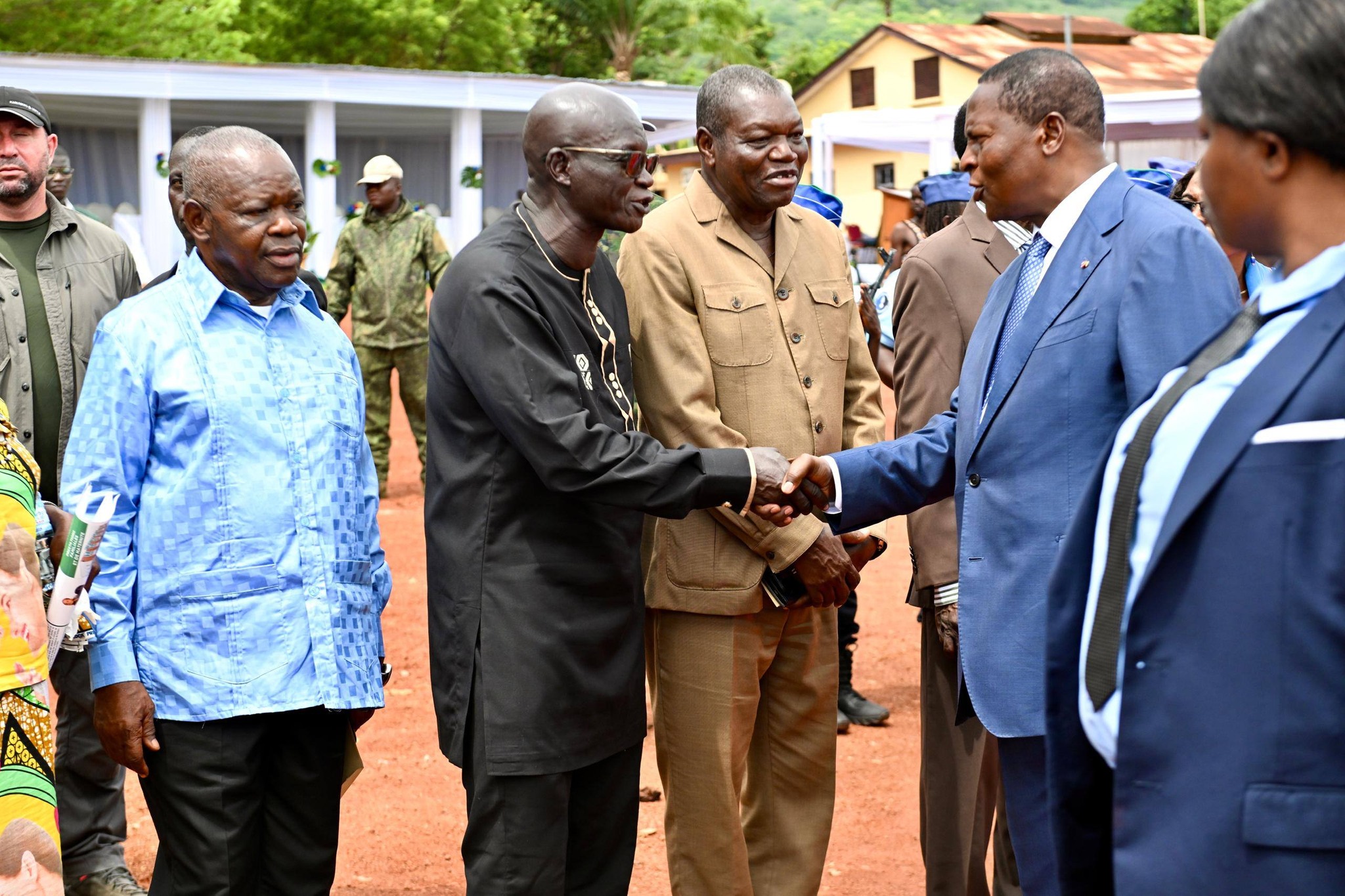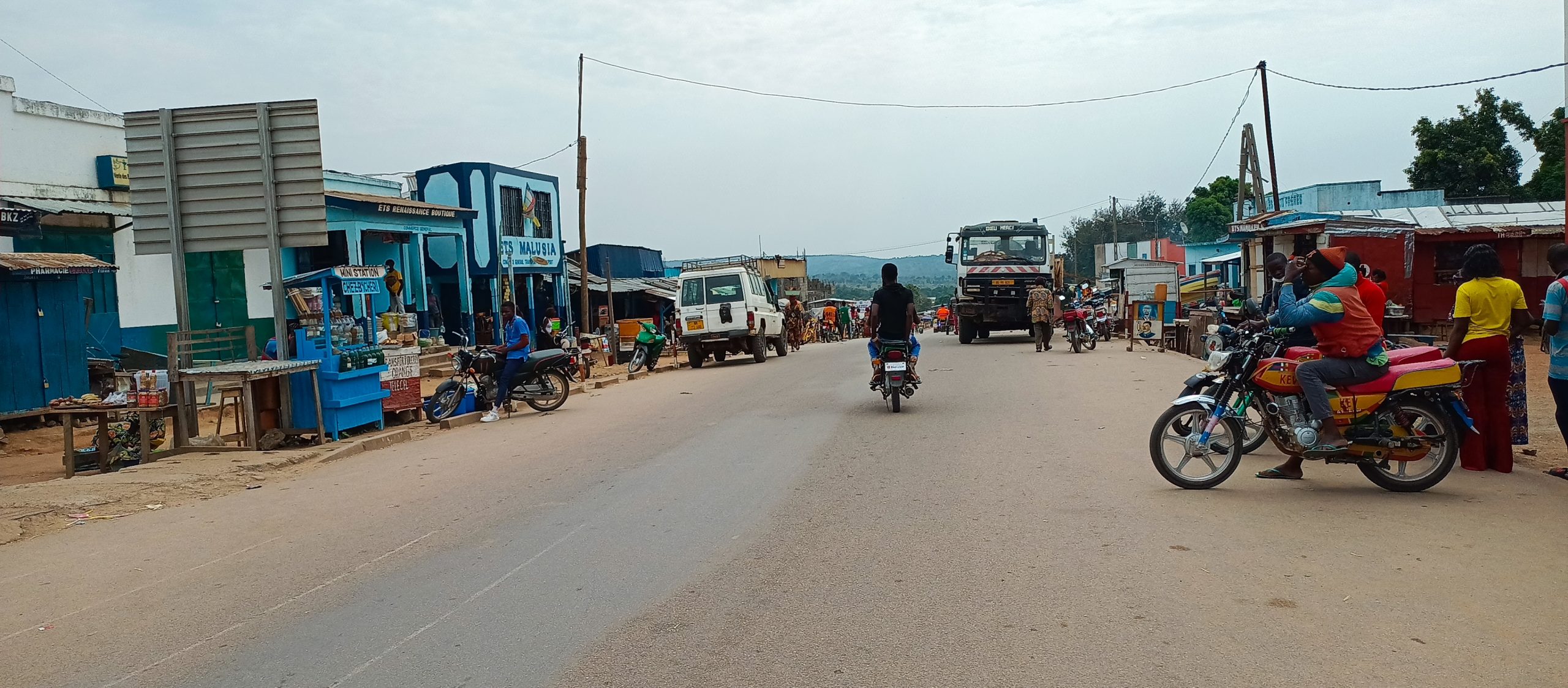
The Central African government on Wednesday, May 6, launched rehabilitation works on the Bocaranga-Bouar axis. This initiative marks the start of a major road rehabilitation project in the country, signaling a concerted effort to address long-standing infrastructure challenges. The Bocaranga-Bouar axis connects two key towns, Bocaranga and Bouar, located within the Nana-Mambéré prefecture of Centrafrique. This key connection is vital for the region's socio-economic fabric. The project aims to improve critical infrastructure and transport links in the region, which have historically faced difficulties due to their condition, impacting daily life and commercial activities. The launch shows the government's commitment to enhancing national connectivity and fostering development in underserved areas.
Project Scope and Investment
The road axis undergoing rehabilitation extends for 130 km, linking the towns of Bocaranga and Bouar. This substantial length notes the scale of the undertaking, designed to create a durable and efficient transport corridor. This infrastructure initiative represents a significant investment, with the project valued at 1 billion FCFA. This considerable financial allocation reflects the strategic importance placed on improving this specific route and the broader national road network. The work is being carried out by Rosami BTP, a company tasked with executing the extensive rehabilitation efforts along the critical route. Rosami BTP's involvement brings specialized expertise to ensure the project's successful completion, adhering to high standards of civil engineering. The project aims to enhance connectivity and facilitate transport across the Nana-Mambéré prefecture, serving as a key component of broader government efforts to improve national infrastructure. Rosami BTP's commitment shows the collective drive to upgrade the road network in Centrafrique, paving the way for improved mobility and economic activity. The substantial financial allocation reflects the scale of the undertaking to ensure durable and improved road conditions for local communities and commercial traffic, promising a tangible uplift in regional infrastructure.
European Union Funding
The road rehabilitation project, spanning the 130 km Bocaranga-Bouar axis, is financed by the European Union. This significant international partnership underpins the 1 billion FCFA investment allocated for the extensive works. The European Union's support is key for the implementation of this infrastructure upgrade in the Nana-Mambéré prefecture, demonstrating a commitment to the Central African Republic's development goals. This funding mechanism not only provides the necessary financial resources but also signifies a collaborative approach to addressing critical infrastructure needs. The project aims to improve connectivity and transport efficiency between the two towns, a goal that aligns with the European Union's broader objectives of fostering economic growth and stability in partner countries. The European Union's involvement ensures that the project benefits from international standards and oversight, contributing to its long-term success and sustainability. The project is a key component of broader efforts to enhance the region's infrastructure, facilitating trade, access to services, and humanitarian aid.
Significance of the Axis
The Bocaranga-Bouar axis is considered a vital route for the economic development of Nana-Mambéré prefecture in Centrafrique. Its current state has often presented challenges for transportation, making its rehabilitation a priority. Rehabilitation of the 130 km stretch is expected to significantly improve the movement of goods and people between Bocaranga and Bouar, transforming local commerce and daily life. This enhancement is key for facilitating trade, agriculture, and access to essential services for communities along the corridor, including healthcare and education. Improved road conditions are also anticipated to reduce transportation costs and travel times, directly benefiting local businesses and residents. This reduction in logistical burdens will contribute to broader regional stability and growth, fostering a more dynamic economic environment. The project, undertaken by Rosami BTP, aims to create a more reliable and efficient transport network, which is foundational for humanitarian aid delivery and local commerce, especially in a region where accessibility can be a major challenge. The European Union's financial backing of the 1 billion FCFA investment shows the strategic importance attributed to this specific infrastructure development, recognizing its potential to unlock significant socio-economic benefits for the Central African Republic.