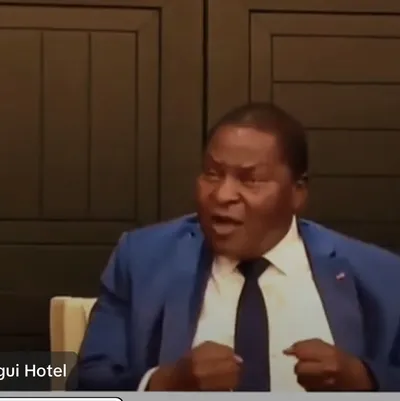
President Faustin-Archange Touadéra has invited Centrafricans living abroad to return to the Central African Republic to contribute to the country's development. This call comes as the nation faces significant challenges, with many in the diaspora expressing reluctance to repatriate due to ongoing concerns about fear and repression in the capital, Bangui. The invitation, aimed at bolstering national progress and harnessing the skills of its citizens abroad, was extended in the context of persistent insecurity and political tensions within the country. Despite the President's appeal for collective nation-building, the prevailing atmosphere in Bangui appears to be a significant deterrent for those considering repatriation. This report is dated September 11, 2026.
Deterrents to Return
A Centrafrican citizen in Bangui reported a widespread sense of insecurity, stating that no one feels safe, including himself. He emphasized that protection appears to be exclusively for President Faustin-Archange Touadéra and his immediate circle. This sentiment reflects broader concerns among the populace regarding personal safety and the equitable distribution of state protection. The citizen’s remarks highlight a deep-seated apprehension among residents, suggesting that the state's protective mechanisms are not universally applied, leading to a climate of vulnerability for the general population. This perception of unequal protection directly contradicts the government's stated aim of national unity and development, as it undermines the trust necessary for citizens to feel secure in their homeland.
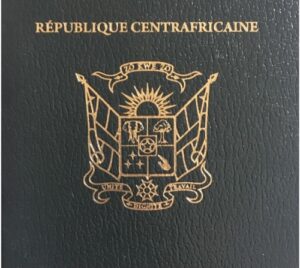
Concerns about administrative hurdles and political targeting also deter potential returnees. Opposition figure Anicet-Georges Dologuelé, for instance, has been unable to obtain his passport, which remains blocked without any clear official explanation. This administrative obstruction prevents Mr. Dologuelé from traveling, effectively curtailing his political activities and personal freedoms. Such actions against prominent political figures contribute to an environment of uncertainty and perceived repression, discouraging others from considering repatriation. The lack of transparency surrounding the blocking of Mr. Dologuelé’s passport sends a chilling message to other Centrafricans, both at home and abroad, suggesting that political affiliation or dissent can lead to arbitrary state actions. These instances show the challenges faced by Centrafricans, both within the country and those contemplating a return from the diaspora, as they weigh the risks of re-engaging with a system perceived as politically motivated and potentially punitive.
Citizen's Perspective on Safety
A Centrafrican citizen in Bangui has articulated a significant concern regarding personal security, stating that individuals who express truths within the country often become targets and face potential violence. This individual emphasized that a widespread sense of insecurity affects the population, with safety measures appearing to be exclusively reserved for President Faustin-Archange Touadéra and his immediate entourage. The citizen's remarks highlight a climate where open expression is perceived to carry risks, potentially deterring critical discourse or dissent. This perspective shows the challenges faced by residents in the capital, where concerns about personal safety and the equitable application of state protection remain prominent. The fear of reprisal for speaking out creates an environment of self-censorship, stifling public debate and hindering the free exchange of ideas vital for a healthy society. This situation makes the prospect of returning particularly daunting for those in the diaspora who value freedom of expression and civic participation.
Government Actions and Repression
Élysée Nguemalé, a prominent member of civil society, was reportedly subjected to a beating by militia groups with ties to the government. This incident marks a concerning development for civic engagement in the Central African Republic. The alleged involvement of government-linked militia in such an assault raises serious questions about the state's commitment to upholding human rights and protecting its citizens, especially those who work to hold power accountable. Such actions against civil society figures contribute to a climate of fear among the population, particularly those who might consider returning from the diaspora. The reported assault on Nguemalé notes concerns about the treatment of individuals perceived as critical of the authorities or those operating outside direct government control. This event also raises questions about the government's commitment to protecting its citizens and ensuring a safe environment for all, irrespective of their political stance or affiliations. The reported involvement of government-linked militia in such incidents exacerbates anxieties regarding human rights and personal safety in Bangui, making the President's call for return seem at odds with the lived realities on the ground.