Detainees at the Carnot detention center have raised significant concerns regarding their living conditions, according to reports emerging from the facility. The inmates have voiced urgent issues about their environment, noting the challenges they face within the center. These concerns point to a critical need for attention on the welfare and basic provisions available to those held in detention in Carnot. The situation shows ongoing challenges in maintaining adequate standards for incarcerated individuals within the facility, where detention conditions are a pressing concern for the inmates.
Specific Grievances Detailed
Inmates at the Carnot detention center have recently reported significant difficulties concerning their daily provisions and fundamental rights. Detainees describe ongoing problems with the quality and quantity of food provided within the facility, which they assert is often inadequate for their nutritional needs. Access to adequate healthcare has also been cited as a major concern, with reports indicating insufficient medical attention for those requiring it, leading to prolonged suffering and potential health deterioration among the incarcerated population. Detainees have noted persistent delays in the processing of certain judicial cases, which prolongs their detention without resolution, sometimes for extended periods. These reported issues collectively paint a vivid picture of challenging conditions inside the Carnot facility, directly impacting the well-being and legal status of those held there. The concerns show systemic problems related to detainee welfare and judicial efficiency, prompting calls for immediate and sustained intervention to address these fundamental rights issues.
Calls for External Intervention
Detainees at the Carnot facility are appealing for external assistance to address their pressing concerns. They have formally requested the intervention of the government and its partners to improve their detention conditions. This plea notes the urgent need for upgrades to the living environment within the center, including improvements to sanitation, sleeping arrangements, and general hygiene. Concurrently, the detainees are seeking accelerated processing of their legal cases, aiming to resolve the delays that have prolonged their incarceration and ensure their right to a timely trial or release. Their collective call shows a desire for both immediate humanitarian improvements and more efficient judicial procedures, indicating a belief that external stakeholders are necessary to enact meaningful change within the detention system. The appeal emphasizes the detainees' reliance on broader governmental and international support to alleviate their current circumstances and ensure adherence to basic human rights standards.
Facility Rehabilitation Context
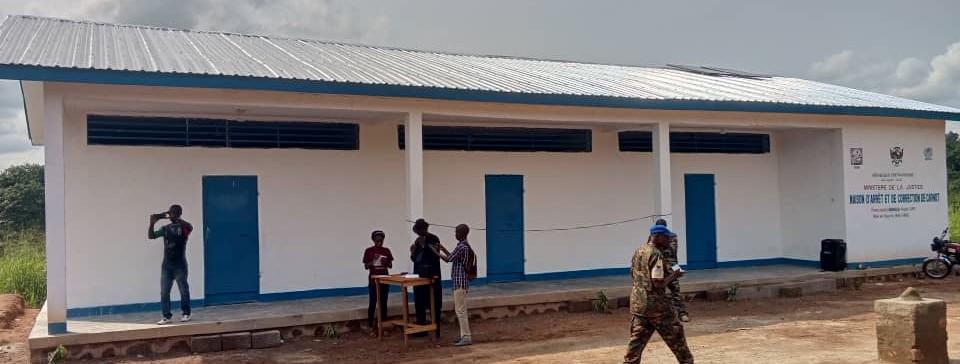
The Carnot detention center underwent rehabilitation efforts in 2025, carried out by Minusca. This previous intervention aimed to improve conditions at the facility, including structural enhancements and upgrades to various amenities. Despite these past efforts, the current reports from detainees suggest that the improvements may not have been fully sustained or were insufficient to meet the long-term needs of the incarcerated population. The fact that a rehabilitation project was undertaken by Minusca in 2025 notes a recognized need for facility improvements, yet the ongoing concerns indicate that more full and enduring solutions are still required to ensure humane detention standards are met.
Broader Implications and Demands
Évariste Grâce à Dieu Nolas, a detainee at the Carnot facility, previously emphasized the broader implications of the current conditions, stating that the issues affect "not only us but all those who will pass through here." This perspective shows the systemic nature of the problems, suggesting that the challenges faced by current detainees are indicative of wider issues within the detention system. Detainees are urging the government and its partners, including Minusca, to recognize the systemic nature of these problems and to move beyond temporary fixes. They are demanding a full review of detention protocols and a commitment to sustained improvements beyond immediate fixes, advocating for a long-term strategy to ensure humane treatment and efficient judicial processes. The collective appeal from Carnot shows a call for fundamental reforms to ensure humane treatment and efficient judicial processes for all individuals held in detention, reflecting a desire for lasting change that will benefit future detainees as well.