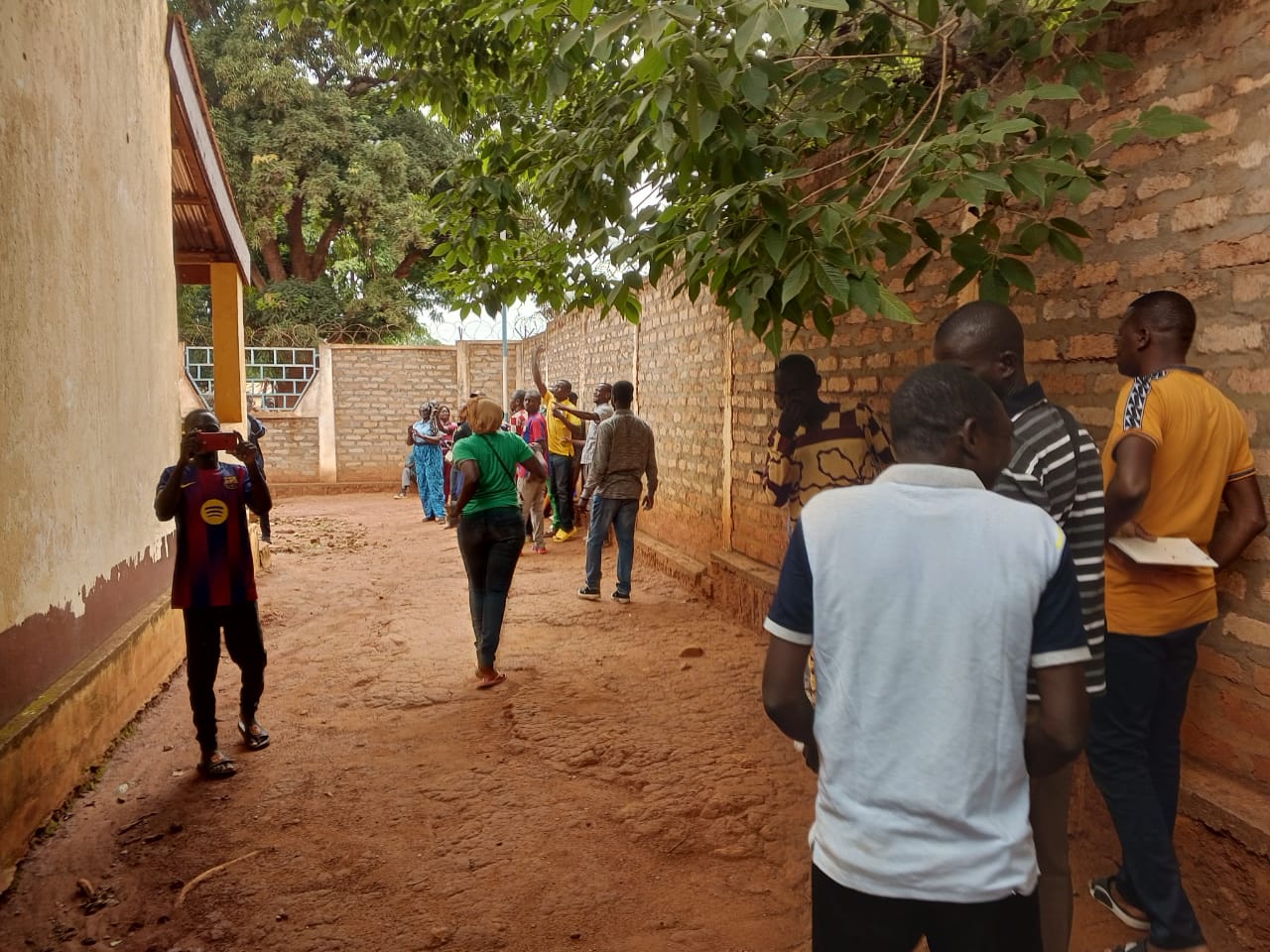
Contract teachers of fundamental 1 in Bria demonstrated on Monday morning, protesting unpaid wages and seeking clarity on their employment status. The teachers are requesting explanations regarding their situation following the expiration of their work contracts in mid-April. Their action targets the ongoing uncertainty surrounding their positions and remuneration in the Centrafrique city, noting a critical issue for the educational sector in the region. The collective protest shows the significant challenges faced by educators whose livelihoods depend on timely payments and secure contracts.
Teachers' Demands Detailed
The striking contract teachers are demanding the payment of five months of back pay. These indemnities represent wages owed to them for their work in Bria, a critical financial lifeline for many of these educators and their families. The non-payment of these accumulated wages has created significant financial hardship, prompting their direct action. Their collective action shows the teachers' reliance on these outstanding payments and their desire for financial stability, which is currently jeopardized. The demand for prompt payment is a central component of their protest, alongside their calls for clarity on their contract status. The teachers' demonstration notes the pressing need for resolution regarding both their past earnings and their future employment terms, emphasizing the instability they face. They are not only seeking their rightful remuneration but also a clear understanding of their continued role within the education system, especially given the mid-April expiration of their work contracts. This dual demand reflects a deep concern for both immediate financial relief and long-term job security.
Context of the Strike
The demonstration by contract teachers occurred in front of the academic inspection office for Haute-Kotto. This specific location was chosen by the teachers as the administrative body responsible for their oversight and, presumably, for addressing their employment and payment concerns. The teachers gathered at this administrative building to press their demands for unpaid wages and clarity regarding their employment contracts. Their presence at such a key educational administrative center shows the direct appeal they are making to the authorities for immediate intervention and resolution. Gasmala Moustapha, a correspondent for Radio Ndeke Luka, followed the movement, reporting on the teachers' protest in Bria. His coverage detailed the teachers' collective action and their demands for resolution from the authorities, bringing wider attention to their plight. The protest notes the teachers' reliance on their salaries and their concerns about job security within the region, which are fundamental to maintaining a stable teaching force. The academic inspection office served as the focal point for the teachers' demonstration, showing their appeal to the educational administration for answers and payment, hoping that their visible presence will prompt a swift response. The teachers' resolve in continuing their protest signals the severity of their situation and their determination to see their demands met.
Potential Impact and Next Steps
The ongoing strike by contract teachers in Bria could significantly disrupt educational services across the region, particularly impacting fundamental 1 education. A prolonged absence of teachers, who are protesting unpaid wages and seeking clarity on their employment status, risks impacting thousands of students in Haute-Kotto. These students depend on the continuity of their education, and any prolonged disruption could have lasting negative effects on their academic progress. Authorities in Centrafrique face pressure to address the teachers' demands for five months of back pay and to clarify the terms of their contracts, which expired in mid-April. The implications of unresolved grievances extend beyond the teachers themselves, potentially affecting the entire educational framework. Failure to resolve the dispute could lead to further protests and a widening of the educational crisis, possibly drawing in other sectors or leading to more significant social unrest. The teachers' collective action notes the urgent need for a resolution from the academic inspection office, the focal point of their demonstration, as they are directly responsible for managing these educators. Further negotiations between the striking teachers and educational authorities are anticipated to prevent sustained disruptions to schooling, with the hope of reaching an agreement that ensures both fair compensation for teachers and uninterrupted education for students. The situation demands a prompt and full response to prevent a deepening crisis in the educational system of Haute-Kotto.