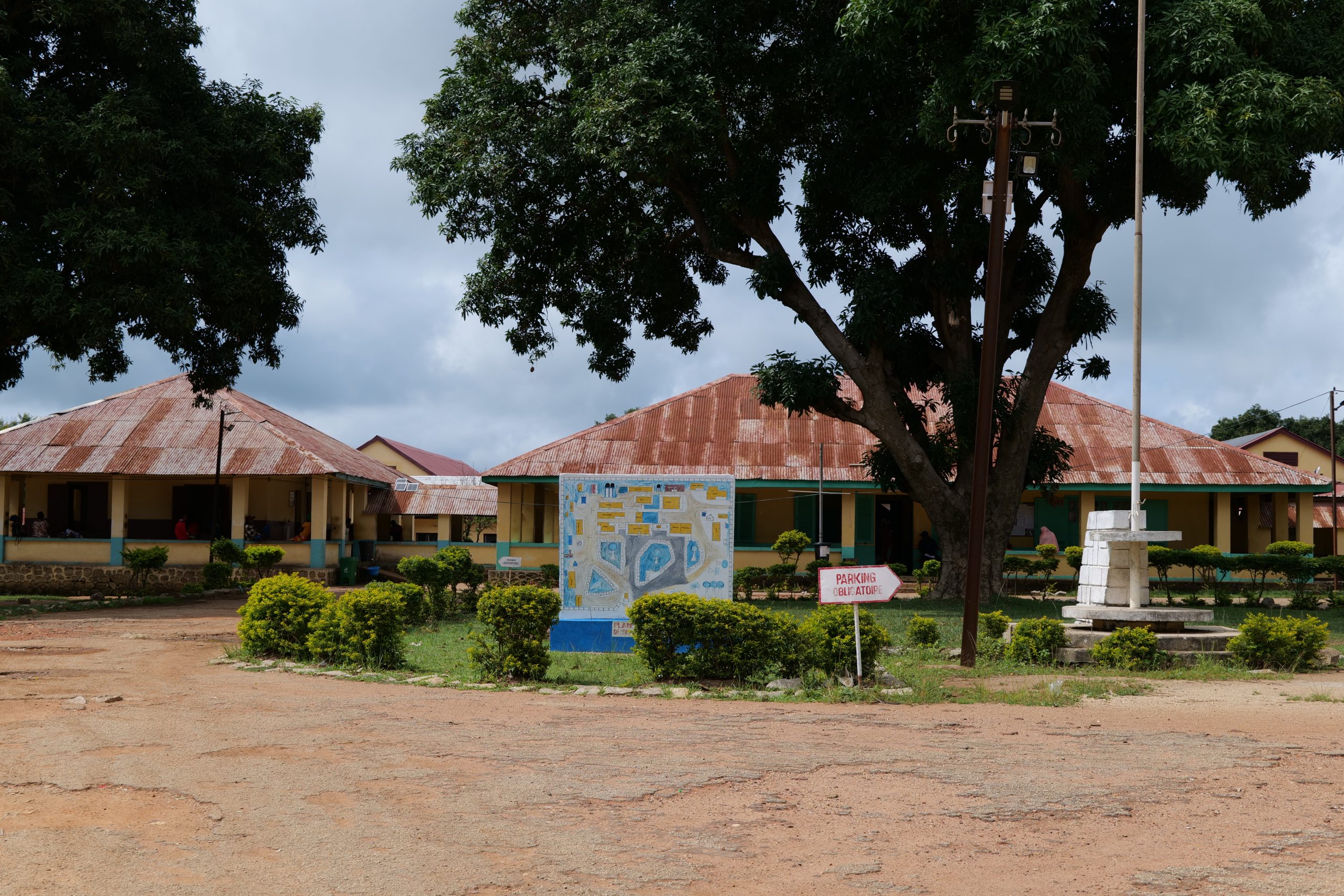
The health district of Bouar in Nana-Mambéré, Central African Republic, currently lacks a functioning morgue service, a critical situation that has persisted for decades. This absence compels residents to manage the deceased at home, presenting significant challenges for families in the region. The issue affects the main hospital in Bouar, impacting public health and community practices regarding deceased individuals. The entire Bouar health district in Nana-Mambéré is without a morgue service, noting a severe gap in essential healthcare infrastructure.
Persistent Lack of Facilities
The Bouar hospital in Nana-Mambéré has operated without a functioning morgue for several decades. This long-standing absence of facilities has compelled residents to manage the bodies of deceased family members within their homes. The situation at the main hospital in Bouar impacts public health practices and creates significant challenges for families in the region, who must make arrangements for the deceased without professional medical refrigeration or storage. The lack of a morgue at Bouar Hospital has been ongoing for several decades, making it a deeply entrenched problem for the community. The persistent lack of such a critical service has been a consistent issue for the community over an extended period, showing the urgent need for a permanent solution.
Community Impact and Concerns
The prolonged absence of a functioning morgue at Bouar Hospital is a source of considerable concern for both hospital officials and the residents of the city. This situation, which has been ongoing for several decades, affects not just the hospital's operations but also the daily lives and cultural practices of the local population. The necessity for families to manage deceased relatives within their homes due to the lack of proper facilities has created ongoing difficulties for the community. This situation impacts public health practices and places an additional burden on individuals during times of grief. Officials at the Bouar hospital have expressed their apprehension regarding the long-standing issue, which has been a consistent challenge for the health district in Nana-Mambéré for several decades. The community's reliance on home-based arrangements for the deceased shows the need for improved infrastructure to support proper post-mortem care. The concerns of hospital officials are echoed by the inhabitants of Bouar, who have long called for a resolution to this pressing public health matter.
Future Outlook and Deadlines
The anticipated completion date for the construction of a new morgue at Bouar Hospital is set for 15 juillet 2026. This timeline indicates a future resolution to the decades-long absence of appropriate facilities for managing deceased individuals within the health district. The project aims to alleviate the burden on local families, who currently must make arrangements for deceased relatives within their homes due to the lack of a functional hospital morgue. Hospital officials and community members are looking towards this deadline as a key step in improving public health infrastructure and providing dignified post-mortem care in Bouar. The establishment of this facility is expected to address a significant and persistent challenge for the Nana-Mambéré region, finally bringing an end to a situation that has concerned both local authorities and residents for generations.
Broader Health District Context
The Bouar health district, located in Nana-Mambéré, Centrafrique, has grappled with significant infrastructure challenges for decades, particularly concerning its main hospital. The prolonged absence of a functioning morgue at Bouar Hospital has compelled residents to manage deceased family members within their homes, a practice that has persisted over an extended period. This issue impacts public health and places an additional burden on families in the region. The lack of a morgue service is not confined to the hospital alone but extends across the entire Bouar health district, making the problem widespread. The hospital's needs in Bouar highlight broader requirements for improved health infrastructure across the prefecture, emphasizing the critical importance of projects like the new morgue to enhance public health services and ensure respectful post-mortem care for all residents.