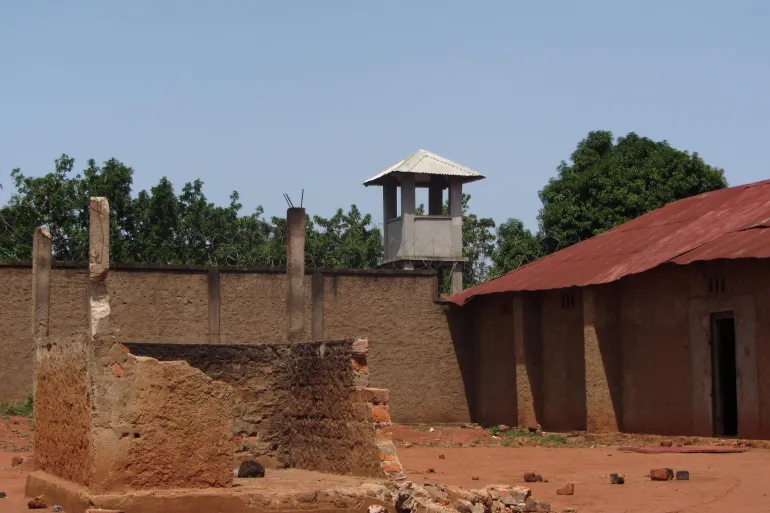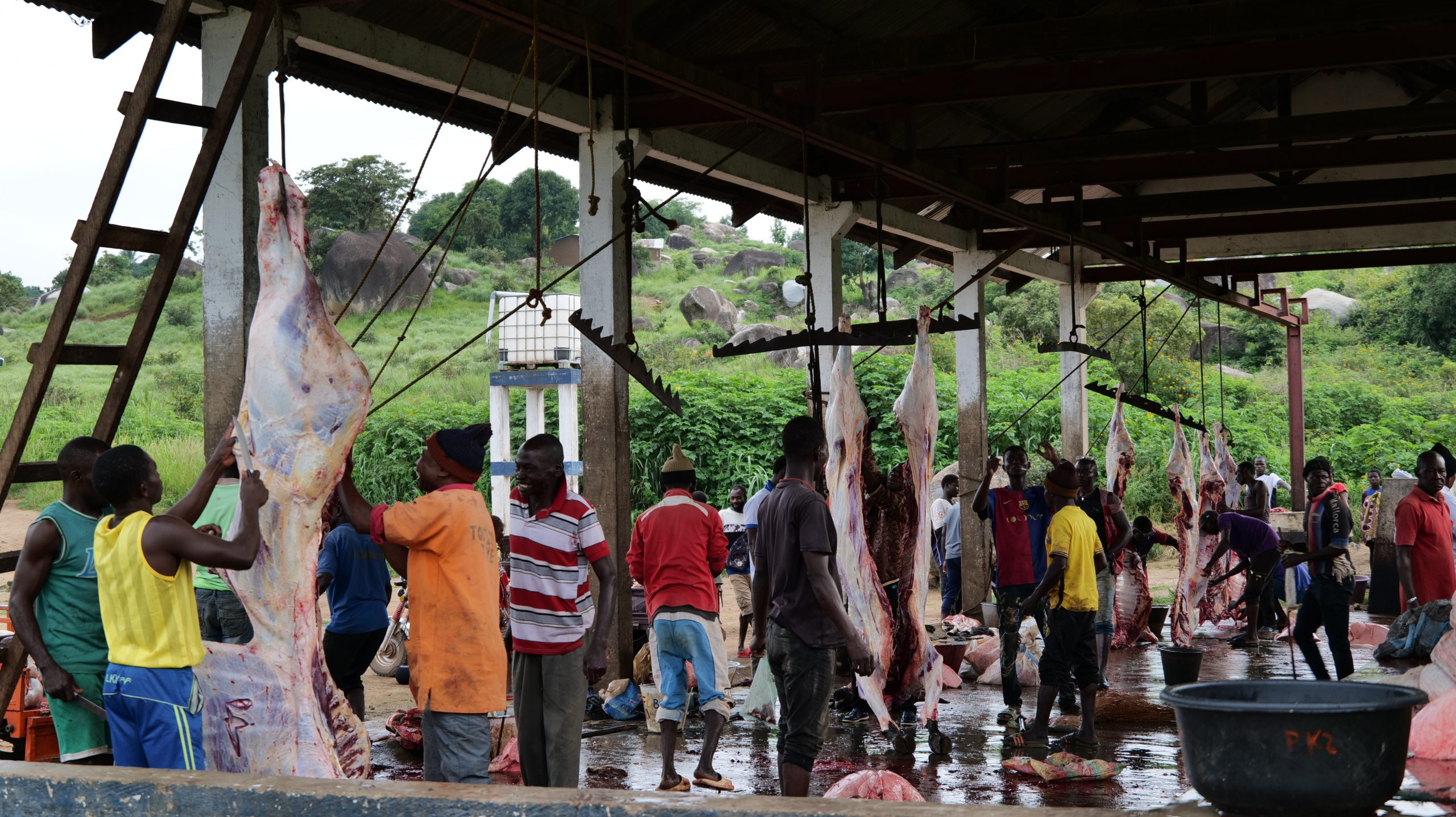
The abattoir in Bouar, the sole facility of its kind in the city, faces significant challenges related to hygiene and infrastructure. Constructed several decades ago, the abattoir is reportedly in a critical state of disrepair, raising serious concerns about its operational integrity and public health implications. Reports indicate that the facility is described as too dirty, with unpleasant odors pervading the premises. This situation notes a pressing need for intervention to ensure the safety and quality of meat products for the local population.
Critical Equipment and Hygiene Deficiencies
The Bouar abattoir is confronted with a critical lack of adequate materials, profoundly impacting its operational capabilities and hygiene standards. This deficiency extends to essential tools and specialized instruments required for proper sanitation and efficient processing within the facility. The absence of these fundamental resources compromises the ability to maintain a clean and safe environment for both workers and the meat products.
Veterinary nurses currently perform sanitary controls visually, relying solely on their judgment due to the absence of appropriate equipment. The critical lack of specialized instruments prevents thorough and scientifically sound inspections, raising significant concerns about the effectiveness of current health and safety measures. This reliance on visual assessment alone is a major vulnerability in ensuring that meat products meet acceptable hygiene standards before reaching consumers.
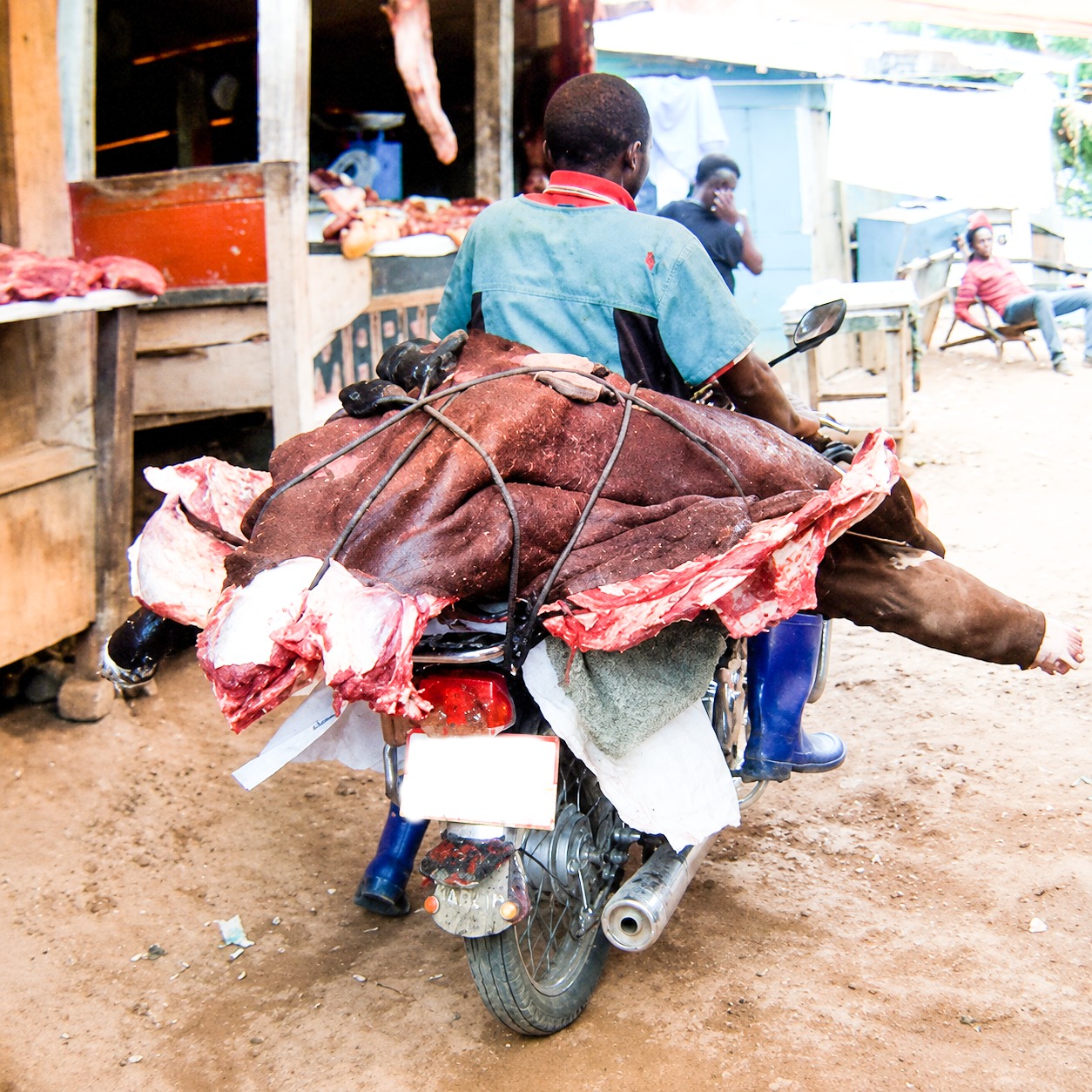
Transporting carcasses from the abattoir to the market also presents a significant problem, further exacerbating hygiene concerns. Individuals often resort to using their own triporteurs for transport, a method that entirely bypasses established hygiene protocols for meat distribution. This unregulated practice introduces substantial risks of contamination, potentially compromising the overall quality and safety of meat reaching consumers in Bouar. The current transport methods show a systemic failure in maintaining a hygienic chain of custody from slaughter to sale.
Worker Safety and Meat Quality Concerns
The conditions at the Bouar abattoir endanger the safety of workers and raise profound concerns about the quality of meat intended for consumption. Butchers reportedly operate without protective blouses, exposing themselves to potential hazards such as biological contaminants and physical injuries. This lack of basic personal protective equipment (PPE) not only puts the workers at risk but also increases the likelihood of cross-contamination within the facility.
Some butchers continue their work with injuries sustained during slaughter without receiving any dressing or medical attention for their wounds. This practice adds to the risks faced by personnel, as open wounds can become infected and compromise hygiene standards within the facility. The lack of proper safety measures for workers and the absence of basic first aid for injuries highlight significant operational deficiencies at the abattoir, impacting both staff well-being and the sanitary handling of meat products. These unsafe working conditions contribute directly to the broader issue of compromised meat quality.
Appeals and Calls for Action
Numerous appeals have been directed to local authorities regarding the Bouar abattoir's deteriorating conditions, but no concrete response has been received to date. The lack of official action has intensified calls for immediate intervention. Efforts have also included appeals to non-governmental organizations to rehabilitate and expand the facility's slaughter area, acknowledging that the current infrastructure is insufficient and outdated.
Socio-political observers are now urging the government to implement urgent measures to address the critical situation at the abattoir. These calls emphasize the immediate need for intervention to improve hygiene, ensure worker safety, and guarantee the quality of meat products for consumers in Bouar. The ongoing appeals highlight a growing concern within the community and among observers about the health implications and operational deficiencies of this vital facility, which serves as the sole source of officially slaughtered meat for the city. Addressing these issues is key for public health and economic stability in the region.