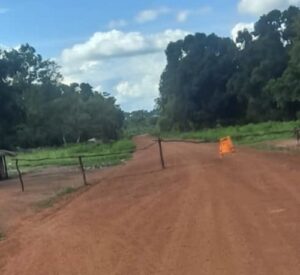
Three Chadian soldiers were killed and about ten others wounded during an attack by Wagner Group mercenaries inside Chadian territory. The incident occurred as the mercenaries crossed into the border region, prompting a rapid mobilization of local defense units. Chadian armed forces launched a counter-attack in response to the initial assault to repel the foreign fighters. During this engagement, five Wagner Group mercenaries were killed and about ten were reported missing as the skirmish concluded.
Diplomatic Standoff and Military Response
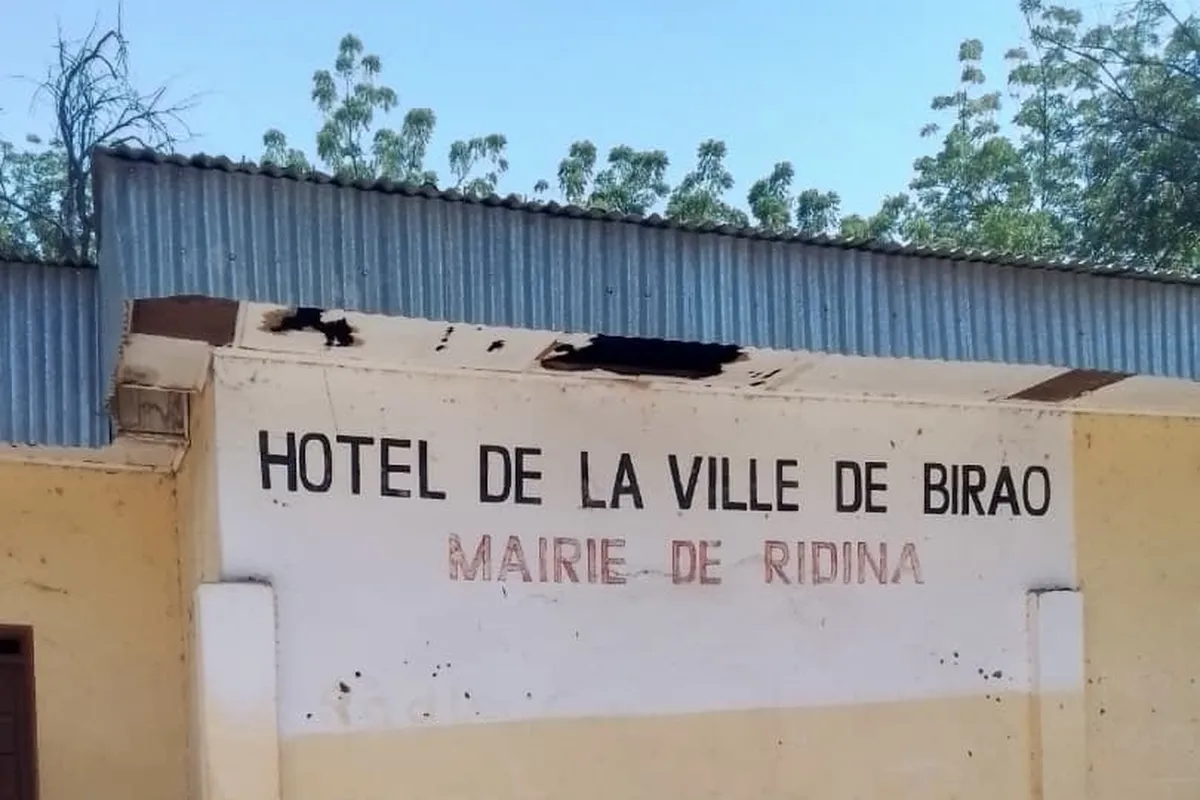
The Chadian government summoned the ambassador of the Central African Republic to N'Djamena following the deadly engagement with Wagner Group mercenaries. This diplomatic action serves as a formal protest regarding the incursion into Chadian territory, which has strained relations between the two neighboring nations. Officials in N'Djamena have characterized the movement of the Wagner Group personnel as a direct violation of national sovereignty.
Military officials responded to the border security threat by deploying approximately 40 military vehicles and elite troops along the frontier with the Central African Republic. These forces are tasked with securing the area and preventing further incursions by foreign paramilitary units. The deployment includes specialized units trained in border surveillance and rapid response operations to ensure that the territorial integrity of Chad remains protected from any future unauthorized entries by the Wagner Group.
Jules Njawé, a presidential advisor to Faustin-Archange Touadéra, issued a one-week ultimatum to the Economic and Monetary Community of Central Africa (CEMAC) and its president, Denis Sassou Nguesso, to intervene in the crisis. The ultimatum notes the growing frustration within the Chadian administration regarding the perceived lack of regional support following the attack. Speaking on the situation, Jules Njawé stated: "Nous donnons une semaine aux dirigeants de la CEMAC, au président en exercice de la CEMAC, le président Denis Sassou Nguesso, le patriarche, le sage, nous demandons au président Denis Sassou Nguesso de prendre son bâton de pèlerin et d’aller régler ce problème… Ça en est de trop ! Trop c’est trop ! Si ça continue, nous allons demander à ce que le Tchad sorte, soit isolé de la CEMAC ! Si ça continue, nous allons organiser des manifestations pour demander la sortie, l’éviction du Tchad de la CEMAC ! Et à ce moment, le Tchad va combattre contre cinq autres pays de la CEMAC, parce que les textes sont clairs : un pays membre ne peut pas se faire agresser sous le regard passif de tous les autres pays membres…"
The ultimatum shows the gravity of the situation for the Chadian government. By setting a seven-day deadline, Jules Njawé has placed significant pressure on Denis Sassou Nguesso and the broader leadership of the Economic and Monetary Community of Central Africa to address the security breach. The potential withdrawal of Chad from the organization remains a central point of contention as the government evaluates the effectiveness of current regional security agreements. The presence of the Wagner Group continues to be a primary concern for military planners as they maintain the current troop and vehicle presence along the border to monitor for further provocations.