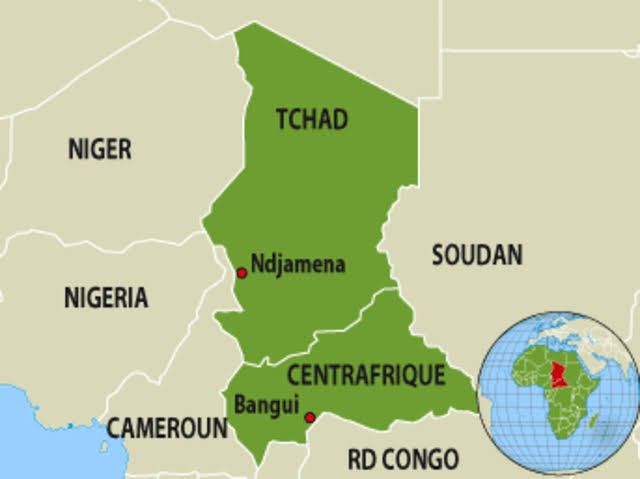
Residents in Central African Republic cities bordering Chad expressed concern on 20 October 2026 regarding rising tensions between the two nations. Local communities are monitoring the situation closely as relations between Bangui and N'Djamena remain strained. Reports published on 20 October 2026 confirm that the unease is concentrated among populations living in close proximity to the international boundary. These citizens are urging regional leaders to prioritize de-escalation to prevent further instability. No specific incidents have been confirmed in the border areas at this time, but the atmosphere remains tense for those residing near the frontier.
The report was published on October 20, 2026. This document notes that the apprehension felt by local residents stems from the ongoing diplomatic friction between the Central African Republic and Chad. Families living in the border regions have noted that the current climate of uncertainty impacts their daily routines and movement across the area. The proximity of these settlements to the international boundary means that any shift in the political landscape between Bangui and N'Djamena is felt almost immediately by the local populace.
Community leaders and residents have voiced a collective desire for stability. The concern is that the current state of relations could impede the flow of goods and the movement of people who rely on the border for their livelihoods. As the situation remains fluid, the residents are maintaining a vigilant watch over developments that might affect their security. The appeal for de-escalation reflects a broader hope that diplomatic channels can resolve the underlying issues without further escalation.
While the atmosphere is characterized by caution, there have been no reports of physical confrontations or military movements near the border. The focus of the local population remains on the diplomatic discourse occurring between the two capitals. The report published on October 20, 2026, serves as a formal acknowledgment of the anxiety felt by these border communities. It shows the importance of maintaining open lines of communication between the governments of the Central African Republic and Chad to ensure that the concerns of those living at the frontier are addressed.
The residents continue to observe the situation as it evolves. Their primary objective is the maintenance of peace, which they view as essential for the continued stability of their homes and businesses. The lack of specific incidents provides a measure of relief, yet the underlying tension remains a focal point for those residing in the border provinces. By urging regional leaders to prioritize de-escalation, these citizens are participating in a dialogue aimed at preventing any potential disruption to the status quo. The report notes that the stability of the border region is intrinsically linked to the diplomatic relationship between the two nations. As of October 20, 2026, the situation persists in a state of watchful waiting, with the community focused on the hope for a peaceful resolution to the current diplomatic impasse.