Boda Mayor Aimé Barthélémy Pilapédé recently stated in an interview with Radio Ndèkè-Luka that the "Kwa ti Kodro" operation, aimed at improving sanitation in the city, is failing due to a lack of public understanding. The mayor attributed the difficulties to insufficient awareness among the population, explaining, "Pourquoi ? Parce qu’il y a une méconnaissance au niveau de la population."
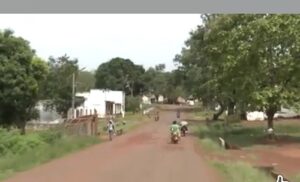
Despite the challenges, Mayor Pilapédé noted ongoing efforts and some positive developments. "Récemment nous avons mis en place un comité d’insalubrité composé de chefs de groupe et de quartier pour faire avancer les travaux," he said, noting, "Vous voyez d’une part la ville propre et de l’autre côté, donc on est en train d’y aller lentement." He confirmed that community engagement is a constant topic in municipal meetings and public awareness campaigns: "Dans toutes les réunions que nous faisons au niveau de la mairie, soit les sensibilisations de masse, cela ne manque jamais." The mayor also praised local traders, stating, "Même les commerçants, ils sont aussi impliqués. Je jette des fleurs au niveau des commerçants du marché central parce qu’ils respectent tout ce que nous disons. Donc chaque samedi, les commerçants viennent y mettre la propreté." He further acknowledged a newly formed association, "Kwa ti Kodro," for its active participation, adding, "Donc nous leur jetons des fleurs." Looking ahead, Pilapédé expressed optimism, predicting, "Je sais qu’au courant du mois prochain, en allant, la ville sera désherbée."
Mayor's Assessment of Failure
Aimé Barthélémy Pilapédé, the mayor of Boda, acknowledged that the "Kwa ti Kodro" operation, designed to enhance urban sanitation, is not progressing as intended. Mayor Pilapédé stated that the work "ne marche pas convenablement," indicating significant challenges in its implementation. He attributed this primarily to a lack of public awareness, explaining, "Pourquoi ? Parce qu’il y a une méconnaissance au niveau de la population." Despite efforts to engage residents, the mayor noted that the community has not fully embraced the initiative.
Pilapédé confirmed that the municipal administration is actively working to address these issues. He mentioned that a new committee has been established to drive the sanitation efforts forward. "Récemment nous avons mis en place un comité d’insalubrité composé de chefs de groupe et de quartier pour faire avancer les travaux," he said. However, even with the formation of this committee, Mayor Pilapédé admitted that progress remains slow. He observed, "Vous voyez d’une part la ville propre et de l’autre côté, donc on est en train d’y aller lentement." This statement shows that while some areas might show improvement, the overall advancement of the operation is gradual.
New Strategies and Participation
The "Kwa ti Kodro" operation, focused on urban cleanliness, was initiated in Boda following a presidential decree. Mayor Aimé Barthélémy Pilapédé attributes the difficulties in its implementation to a lack of public understanding, stating, "Pourquoi ? Parce qu’il y a une méconnaissance au niveau de la population." Pilapédé emphasized the ongoing efforts to raise awareness, noting that public sensitization remains a constant theme in municipal discussions. He affirmed, "Dans toutes les réunions que nous faisons au niveau de la mairie, soit les sensibilisations de masse, cela ne manque jamais."
To address the challenges, the mayor has implemented a new strategy, establishing a "comité d’insalubrité" comprising group and neighborhood leaders. Pilapédé explained, "Récemment nous avons mis en place un comité d’insalubrité composé de chefs de groupe et de quartier pour faire avancer les travaux. Vous voyez d’une part la ville propre et de l’autre côté, donc on est en train d’y aller lentement." He commended the active involvement of local businesses, specifically recognizing the traders at the central market for their compliance. "Même les commerçants, ils sont aussi impliqués. Je jette des fleurs au niveau des commerçants du marché central parce qu’ils respectent tout ce que nous disons. Donc chaque samedi, les commerçants viennent y mettre la propreté," Pilapédé noted. Additionally, a new association, also named "Kwa ti Kodro," has emerged and actively participates in the sanitation efforts. "Il y a aussi une association qu’on appelle Kwa ti Kodro qui vient de naître, qui prend aussi part activement à ce travail. Donc nous leur jetons des fleurs," the mayor added. Pilapédé expressed optimism for future progress, predicting, "Je sais qu’au courant du mois prochain, en allant, la ville sera désherbée."
Broader Context and Outlook
The article concludes that the difficulties faced by the "Kwa ti Kodro" initiative in Boda illustrate an administrative strategy that is disconnected from the realities on the ground. This assessment suggests that the approach taken by local authorities may not fully account for the practical challenges and public engagement necessary for such an operation to succeed. The article further notes that the "Kwa ti Kodro" operation, which aims to improve sanitation, remains "largement théorique" in many other Central African cities. This indicates a broader pattern where such initiatives are conceived but struggle with effective implementation across the region. Despite the current setbacks, Aimé Barthélémy Pilapédé, the mayor of Boda, expressed optimism for future progress. He predicted that "au courant du mois prochain, en allant, la ville sera désherbée," suggesting an expectation that the city's green spaces will be cleared of weeds in the coming month. This outlook anticipates a tangible improvement in Boda's urban environment.