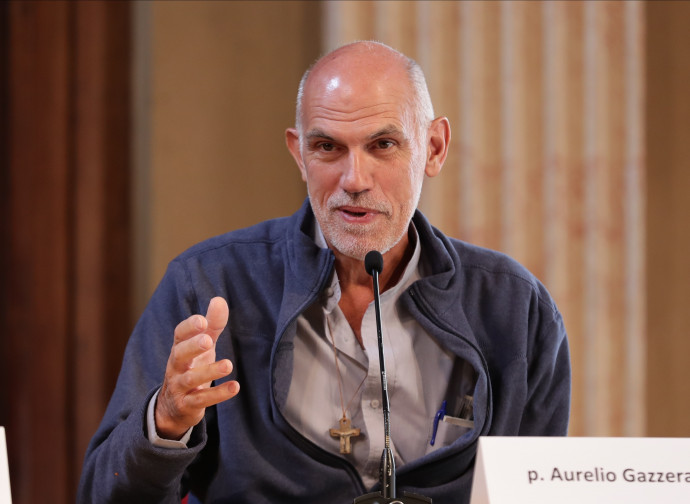
Bishop Aurélio Gazzera, based in Bangassou, has called for dialogue to address the deteriorating security situation in Haut-Mbomou, Centrafrique. The Bishop's appeal comes as the region faces increasing instability, marked by a significant decline in security over recent months. The urgency of these discussions is showed by the current climate, with the next significant date for regional stability noted as 22 May 2026. The religious leader emphasized the need for peaceful engagement to curb the escalating violence and restore peace and security across the region.
Call for Peace Talks
Bishop Aurélio Gazzera, the coadjutor bishop of Bangassou, has issued a public call for a dialogue. The Bishop's appeal specifically seeks to address the escalating violence and insecurity that has profoundly affected the Haut-Mbomou region in Centrafrique. His statement notes the urgent need for discussions among all parties involved to de-escalate tensions and foster a path towards stability. The religious leader emphasized that peaceful engagement is key to curbing the deteriorating security situation, which has been a growing concern for communities and authorities alike. This call for dialogue represents a proactive effort to encourage reconciliation and prevent further conflict in the area, aiming to establish a foundation for long-term peace.
Deteriorating Security Situation
The security situation in Haut-Mbomou has seen a significant decline over recent months, a trend that Bishop Gazzera's initiative seeks to reverse. The region has been shaken by armed violence for several months, leading to increased instability and concern among residents and humanitarian organizations. This prolonged period of conflict has disrupted daily life and humanitarian access, contributing to a volatile environment where basic services are often interrupted. The ongoing violence continues to pose substantial challenges for peace and development efforts in the area, hindering progress and exacerbating humanitarian needs. Local communities report persistent insecurity, impacting their ability to cultivate land and conduct commerce, which are vital for their livelihoods. The continuous armed engagements show the urgent necessity for interventions aimed at de-escalation and stabilisation, to protect civilians and enable recovery. Efforts to address the root causes of the violence are critical for fostering long-term peace in Haut-Mbomou, moving beyond immediate crisis management to sustainable solutions.
Proposed Dialogue Framework
Bishop Aurélio Gazzera has specifically proposed that the dialogue include the militia A Zandé Ani Kpi Gbé. The inclusion of this group is seen as a key step towards addressing the multifaceted nature of the conflict in Haut-Mbomou, acknowledging their significant role in the ongoing instability. The Bishop's initiative aims to bring key actors to the table, facilitating direct discussions on the grievances and demands that fuel the ongoing violence. Establishing a direct line of communication with armed groups, such as A Zandé Ani Kpi Gbé, is considered essential for de-escalation and for laying the groundwork for a lasting peace agreement in the troubled region. This framework seeks to ensure that all significant parties to the conflict are engaged in the peace process, recognizing that genuine and inclusive dialogue is critical for achieving sustainable peace. The objective is to foster an environment where all voices are heard, and common ground can be found to end the cycle of violence.
Urgency for Action
The overarching objective of these proposed discussions, according to Bishop Aurélio Gazzera, is to restore peace and security across the Haut-Mbomou region. The Bishop's appeal seeks to address the widespread insecurity that has destabilized communities and hindered development efforts in Centrafrique, impacting countless lives. Engaging all relevant parties in a structured dialogue is considered essential to de-escalate tensions and establish a framework for lasting stability, particularly given the deteriorating security situation. This initiative reflects a concerted effort to move beyond the current cycle of violence and foster an environment where residents can live without fear, contributing to the broader goal of regional stability by 22 May 2026. The urgency for action is palpable, as continued conflict threatens to further entrench instability and undermine any prospects for recovery and growth in Haut-Mbomou.