Recent violence in the Central African Republic's Boali, located in Ombella-Mpoko prefecture, and Am-Dafock, in Vakaga prefecture, has resulted in the deaths of numerous Central Africans. These tragic events have cast a somber shadow over the affected communities. Bertin Béa has addressed these incidents, which have drawn significant attention due to the high number of fatalities and the severe impact on civilian lives. The events show ongoing security concerns in these regions of Centrafrique, noting the persistent challenges faced by the nation in maintaining peace and stability across its territories. The scale of the violence has prompted calls for greater intervention and protection for residents.
Context of Violence
The recent surge in violence across Centrafrique has created significant instability, particularly noted in the localities of Boali, situated within the Ombella-Mpoko prefecture, and Am-Dafock, which lies in the Vakaga prefecture. These areas have experienced a deterioration in security, leading to a climate of fear among residents and widespread displacement. The incidents have drawn attention from national figures, including Bertin Béa, who has addressed the widespread concern over the escalating violence and its devastating consequences. The country's authorities are grappling with the challenge of restoring peace and protecting civilian populations in these affected regions, which are struggling with the aftermath of these deadly clashes. The ongoing unrest poses a serious humanitarian challenge, impacting daily life and further complicating efforts towards stabilization in Centrafrique, demanding urgent and sustained attention from both national and international bodies.
Béa's Political Stance
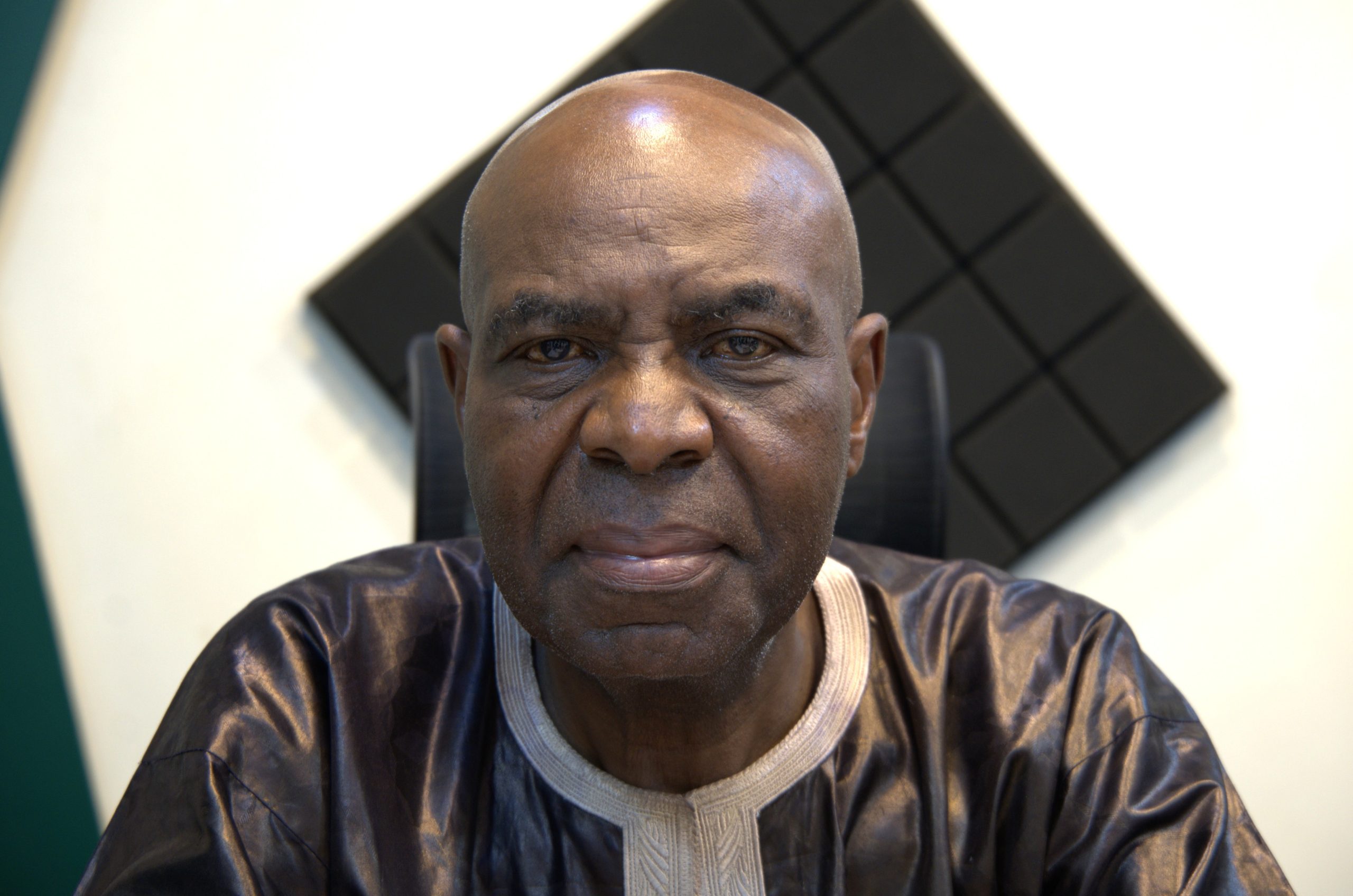
Bertin Béa, who previously served as a deputy representing Boali, has commented on the recent violence in the region, offering his perspective on the unfolding crisis. His past role as a parliamentary representative for Boali lends a specific perspective to his current statements regarding the unrest, as he possesses intimate knowledge of the constituency. The former deputy's remarks come as the Central African Republic grapples with ongoing security challenges in various prefectures, striving to overcome persistent threats to peace. His connection to Boali, where some of the recent incidents occurred, shapes the context of his public address concerning the violence, giving his words particular weight within the affected community. Béa's statements reflect his continued engagement with issues affecting his former constituency and the broader stability of Centrafrique, demonstrating his enduring commitment to the welfare of its citizens. This engagement is particularly significant given the sensitive nature of the current security situation.
Interview Details
Armando Yanguendji conducted an interview with Bertin Béa regarding the recent violence in Boali and Am-Dafock, seeking insights into the escalating crisis. The discussion focused on the incidents that have led to fatalities in both Ombella-Mpoko and Vakaga prefectures, exploring the root causes and immediate impacts. Béa, a former deputy for Boali, shared his perspectives on the security situation and the impact on the affected communities within Centrafrique, providing valuable context from a local and national viewpoint. The interview provided an opportunity for Béa to address the escalating unrest and its implications for the region, articulating his concerns and potential solutions. Yanguendji's conversation with Béa aimed to shed light on the circumstances surrounding the violence and the broader challenges facing the Central African Republic, offering a platform for critical dialogue on these pressing issues. The exchange sought to inform the public about the gravity of the situation and the views of a prominent political figure.
Béa's Perspective
Bertin Béa has aligned himself with the President of the Republic, positioning him as a key ally within the current political landscape and a supporter of the national leadership. His comments on the violence in Boali and Am-Dafock therefore come from a perspective linked to the country's leadership, reflecting a unified approach to addressing national challenges. This alliance shapes the context of his public statements regarding the security challenges in Ombella-Mpoko and Vakaga prefectures, indicating a coordinated effort to restore order. Béa's current political affiliation adds a specific dimension to his views on the unrest affecting Centrafrique, particularly given his past representation of Boali and his continued influence in the region. His remarks are now framed through his role as a supporter of the sitting President, influencing the interpretation of his statements on the escalating violence and their potential policy implications. This strategic alignment shows the importance of his public discourse on these critical security matters.