Muslim communities displaced by conflicts in the Central African Republic between Séléka and anti-balaka groups from 2013 to 2016 are seeking justice for unfulfilled promises of return and compensation. These communities were primarily affected in Bégoua, specifically in the areas of PK13, PK14, and PK15 along the road leading to Boali. Many residents were forced to flee their homes during the violence, with some still unable to return to their properties years later. The displacement has left many in precarious situations, struggling to rebuild their lives without adequate support or resolution regarding their original land and assets. The conflicts, which spanned from 2013 to 2016, created widespread instability and humanitarian crises across the nation.
Escaping Conflict and Seized Homes
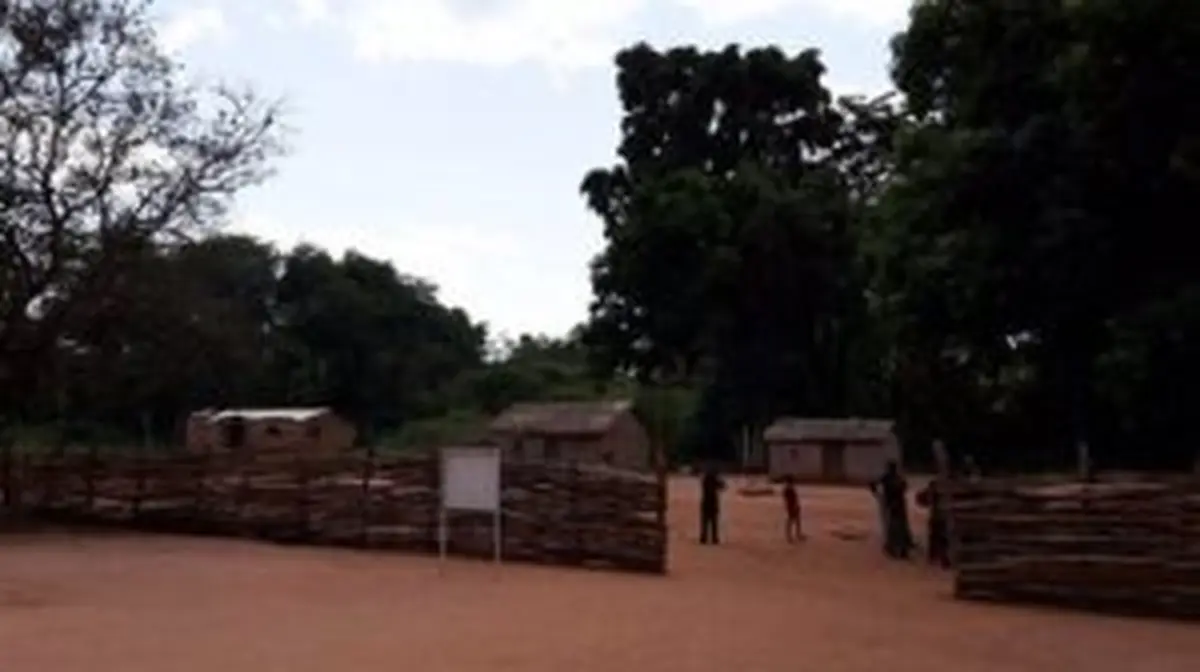
During the intense period of conflict, hundreds of Muslim families in Bégoua, located north of Bangui, were compelled to abandon their homes and possessions to save their lives. The properties they left behind were subsequently either occupied by new inhabitants, seized by anti-balaka fighters, or sold illegally, often without any legal basis or compensation for the rightful owners. These widespread conflicts resulted in thousands of victims and the displacement of over two million Central Africans, creating a massive humanitarian challenge. The once-bustling market at PK14, which previously attracted hundreds of traders and herders, was left abandoned, a stark symbol of the economic and social disruption caused by the violence. As the violence escalated, the International Organization for Migration (IOM) organized emergency evacuations for many displaced families, providing a lifeline for those caught in the crossfire. These families sought refuge across borders, fleeing to neighboring countries including Chad, Cameroon, the Democratic Republic of Congo, and Congo-Brazzaville, where they lived as refugees or internally displaced persons, often under difficult conditions.
Lingering Injustice and Failed Promises
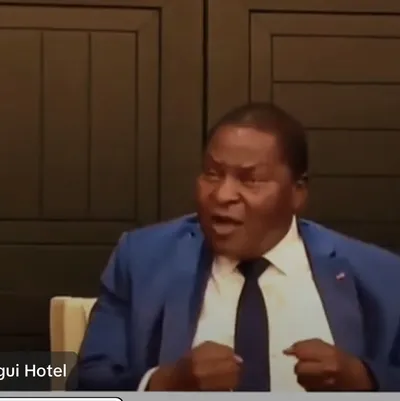
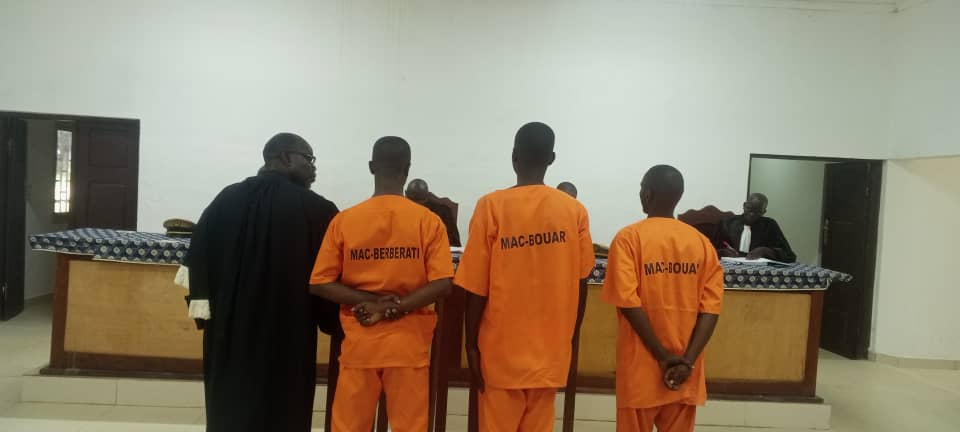
Following the return of relative peace around 2016, many displaced individuals from Bégoua began to return to the Central African Republic, with a significant number settling in the KM5 neighborhood of Bangui. However, the promise of returning to their original homes and reclaiming their properties in Bégoua remained largely unfulfilled. President Faustin-Archange Touadéra has repeatedly pledged to address the plight of those affected by the displacement, stating, "il faut patienter, le gouvernement va trouver une solution" (one must be patient, the government will find a solution). Despite these assurances, concrete actions to resolve the property disputes and facilitate returns have been slow to materialize. These victims have since filed numerous complaints with the courts in Bangui, seeking redress for their losses and the restoration of their rights. However, these cases are reportedly accumulating within the judicial system without resolution, leaving many feeling that their pleas are not being heard or acted upon effectively. The judicial backlog further exacerbates the frustration and despair among the displaced communities, who continue to live in uncertainty about their future.
Government's Evolving Timeline
Displaced Muslim families from Bégoua are currently renting housing in PK5, often living in cramped conditions, far from the properties they once owned and cherished. The initial hope for a swift resolution was tied to political milestones. Victims were initially informed that issues related to their displacement and property would be resolved following the 2020 presidential election. This assurance provided a temporary glimmer of hope that their long wait for justice might soon end. However, despite this assurance, no changes or resolutions materialized after the election concluded, leading to deep disappointment among the affected communities. The promised post-election action failed to materialize, leaving their situation unchanged.
The affected communities are now being instructed to wait even longer, until after the 2025 election, for any definitive action. According to these latest directives, a special commission is expected to be established subsequent to the 2025 electoral period to address their concerns. This repeated deferral of action has eroded trust and left many wondering if a genuine solution will ever be found. The ongoing delay means that families continue to live in temporary accommodations, unable to fully rebuild their lives or regain the assets they lost during the violent conflicts that forced them from their homes years ago. The cycle of promises and delays has become a significant source of contention and despair for the displaced population in Bégoua.