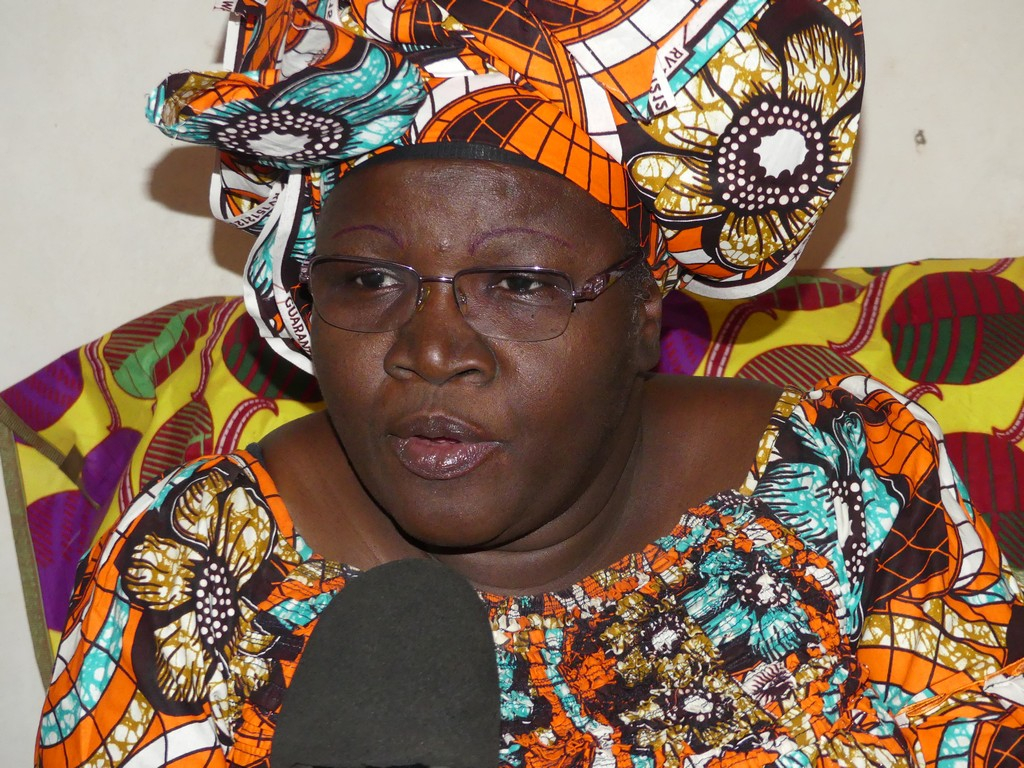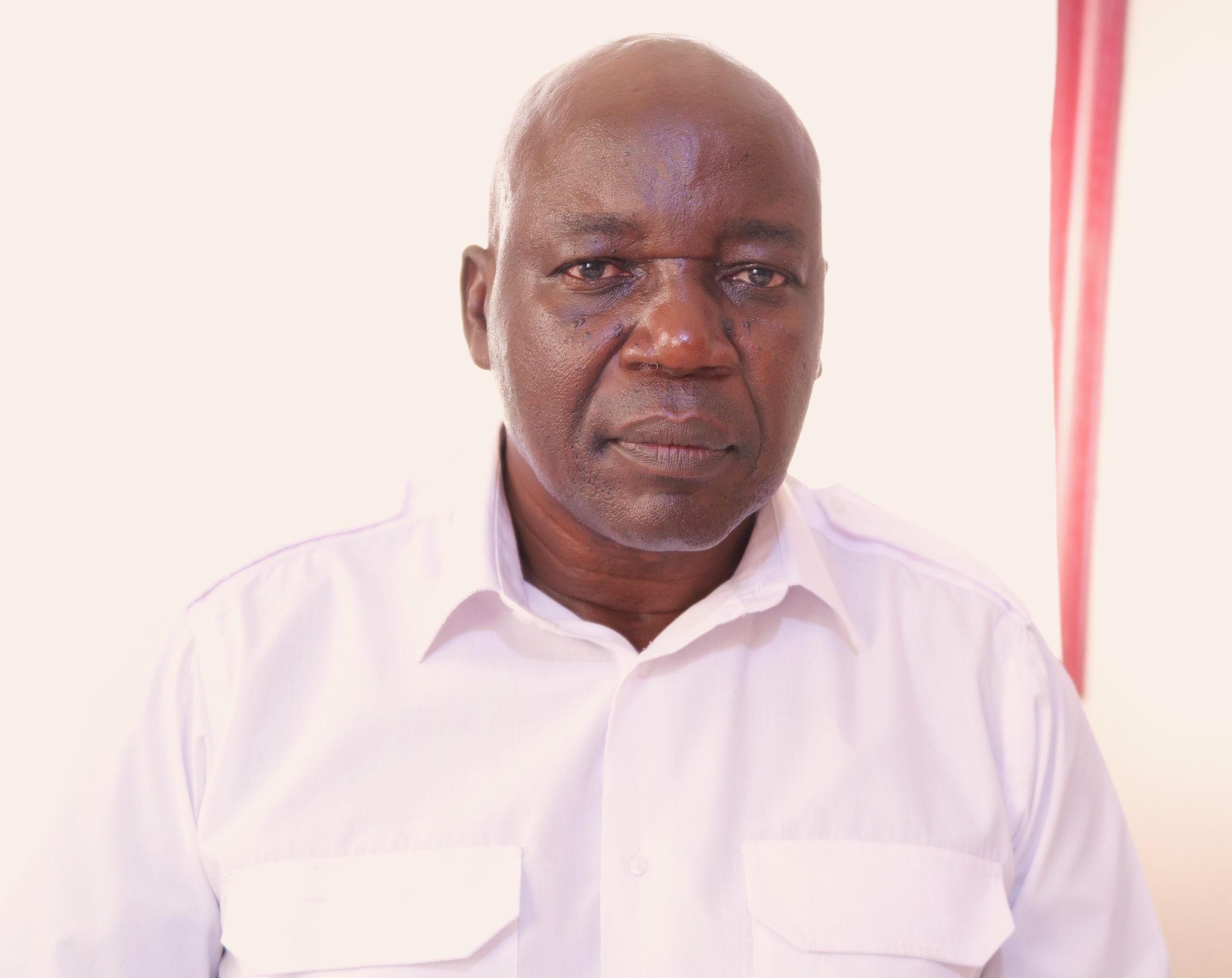
An Ebola virus epidemic is currently raging in the Democratic Republic of Congo (RDC), raising significant concerns for neighboring regions, particularly those sharing porous borders. The ongoing public health crisis in the RDC (République Démocratique du Congo) has put health authorities across Central Africa on high alert. Dr. Honorat Julien Semdouto serves as the chief physician at the Bayanga secondary hospital, a critical healthcare facility located in the Sangha-Mbaéré prefecture in the southwest of the Central African Republic (sud-ouest centrafricain). His insights show the urgent need for enhanced preparedness measures in this vulnerable border community.
Ebola's Shadow Across Borders
Bayanga, a sub-prefecture situated in the southwest of the Central African Republic, faces a heightened risk due to its geographical proximity to the ongoing Ebola epidemic in the Democratic Republic of Congo (RDC). This strategic location positions Bayanga as a potential entry point for the virus, given the regular and often unregulated cross-border movements of people and goods that characterize the region. Local health authorities are monitoring the situation closely, acknowledging the significant challenges posed by these porous borders and the undeniable need for strong surveillance mechanisms to detect and contain any potential outbreaks swiftly. The severity of the ongoing epidemic in the RDC has prompted widespread concerns among officials regarding the potential for transmission into neighboring areas, including the Sangha-Mbaéré prefecture where Bayanga is located. Efforts to bolster preparedness in such border communities are considered absolutely essential to mitigate the spread of the disease and protect the health of the local population. The continuous flow of individuals across the border, whether for trade, family visits, or other reasons, creates a constant risk vector that requires vigilant public health interventions.
Local Health Official's Concerns
Dr. Honorat Julien Semdouto, who holds the vital position of chief physician at the Bayanga secondary hospital, has voiced profound concerns regarding the sub-prefecture's current level of preparedness for an Ebola virus epidemic. Dr. Semdouto specifically noted the absence of a dedicated device or specific equipment and infrastructure designed to effectively combat such an outbreak in Bayanga. He explicitly speaks about the absence of a device against the Ebola virus epidemic in Bayanga, emphasizing this critical gap in the local health system's capabilities. The lack of these critical resources presents a significant and potentially life-threatening challenge for the local health system, particularly given the ongoing and severe Ebola epidemic in the neighboring Democratic Republic of Congo. Healthcare officials in the region are working diligently to address these identified gaps, but the current situation shows the urgent need for enhanced medical provisions, specialized equipment, and strong response mechanisms to protect the community from potential viral transmission. Bayanga's close proximity to the affected areas necessitates a strong, well-equipped, and rapidly deployable health response to mitigate the risks posed by cross-border movements and ensure the safety and well-being of its residents.
Urgent Need for Preparedness
The Sangha-Mbaéré prefecture, where Bayanga is strategically located, requires immediate and substantial attention to strengthen its public health infrastructure. This includes not only the provision of essential medical equipment and supplies but also the implementation of full training programs for healthcare workers on Ebola identification, isolation protocols, and patient management. Establishing dedicated isolation units, ensuring access to personal protective equipment (PPE), and developing rapid response teams are fundamental steps to fortify the region against the looming threat. Community engagement and public awareness campaigns are key to educate residents about preventive measures and the importance of early reporting of symptoms, thereby fostering a collective effort in disease control. The current raging epidemic in the RDC serves as a stark reminder of the interconnectedness of regional health security and the imperative for proactive, well-funded preparedness strategies in vulnerable border zones like Bayanga. Without these concerted efforts, the sub-prefecture remains at a heightened risk, showing the critical need for swift action to safeguard public health.