Tensions in Batangafo, located in the Ouham-Fafa region of Centrafrique, have led to over seven deaths and several injuries in the last three months. These conflicts are paralyzing agro-pastoral activities, stemming from disputes over land use between farmers and herders. The escalating situation has significantly impacted the daily lives and livelihoods of residents in the area, creating a climate of fear and economic uncertainty. The persistent clashes show the fragility of peace and the urgent need for sustainable conflict resolution mechanisms in the region.
Roots of the Conflict
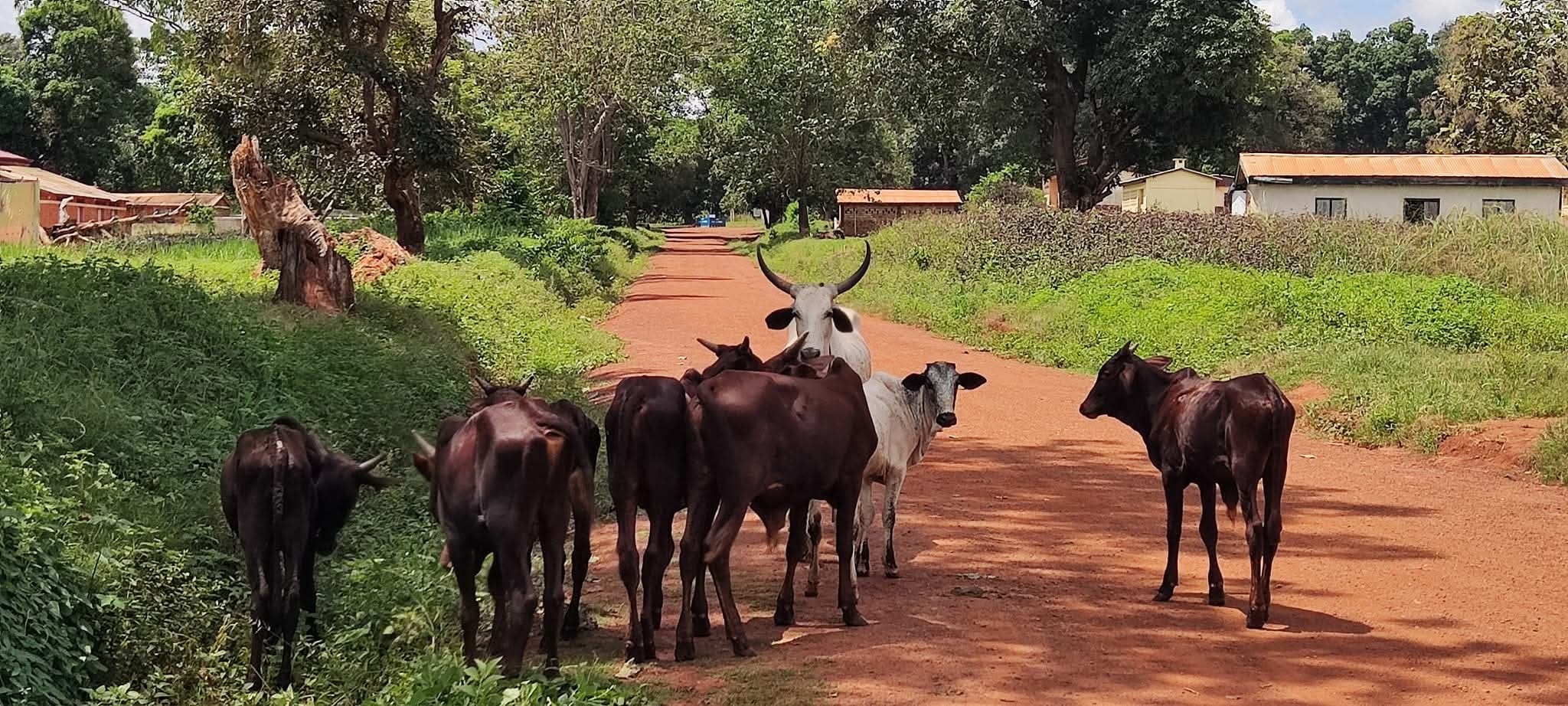
Recurrent conflicts in Batangafo stem from disputes over agricultural land use. The devastation of fields by livestock belonging to herders and the killing of herders' animals by farmers are identified as the primary causes of these tensions. These incidents frequently escalate, leading to clashes between the two groups, often resulting in casualties and further animosity. The destruction of crops by roaming herds directly impacts the food security of farming communities, while the retaliatory killing of livestock by farmers represents significant economic losses for herders. The ongoing disputes have created an environment of instability that directly affects both farming and pastoral communities in the Ouham-Fafa region. This dynamic shows the challenges of cohabitation and resource management between different livelihood groups in the area, where traditional land use patterns are increasingly strained by demographic shifts and environmental pressures.
Escalating Violence and Displacement
Farmers have fled their fields due to community conflicts related to transhumance and fear of armed herders in the Batangafo area. This displacement has led to the abandonment of agricultural lands, including those in the village of Diri, situated 12 kilometers from Batangafo. The cessation of farming activities in these areas not only impacts the immediate harvest but also threatens long-term food production and the economic stability of the affected communities. Many families have been forced to leave their homes and livelihoods behind, seeking refuge in safer zones. The escalating tensions have also resulted in arrests. On August 24th, an farmer was arrested for the death of a herder in the village of Ngapélé, located 15 kilometers from Batangafo on the Ouandago axis. These incidents reflect the deepening crisis impacting the region's agro-pastoral activities and the safety of its inhabitants, noting the severe human cost of the unresolved land disputes. The presence of armed individuals further exacerbates the vulnerability of farmers attempting to cultivate their land.
Calls for Resolution
Farmers in the Batangafo region are calling for judicial action against armed herders whose livestock graze in cultivated fields. They assert that applying justice to these individuals is essential for de-escalation and to prevent further acts of violence. The farmers' demands highlight the ongoing impact of land use disputes, which have led to significant losses of crops and heightened tensions between agricultural communities and herders. These losses not only affect the immediate income of farmers but also compromise their ability to plant for future seasons, creating a cycle of poverty and insecurity. This push for accountability shows a broader desire for a resolution mechanism to address the root causes of the conflict and prevent further economic disruption and violence in the Ouham-Fafa region. The appeal seeks to establish a framework where transgressions are met with legal consequences, aiming to restore order and protect livelihoods in the affected areas. Such measures are seen as key steps towards rebuilding trust and fostering peaceful coexistence between the different communities.
Official Perspectives
Official sources in Centrafrique have acknowledged the escalating tensions in Batangafo, particularly concerning land use between farmers and herders in the Ouham-Fafa region. Authorities are reportedly monitoring the situation, which has led to significant disruptions in agro-pastoral activities across the affected zones. The government is engaging with local communities to seek avenues for de-escalation and resolution, recognizing the complexity of the issues at hand. Efforts are reportedly underway to mediate between the conflicting parties and to reinforce legal frameworks that govern land use and animal husbandry. The aim is to find sustainable solutions that can ensure the safety and economic well-being of both farming and pastoral populations in the long term.