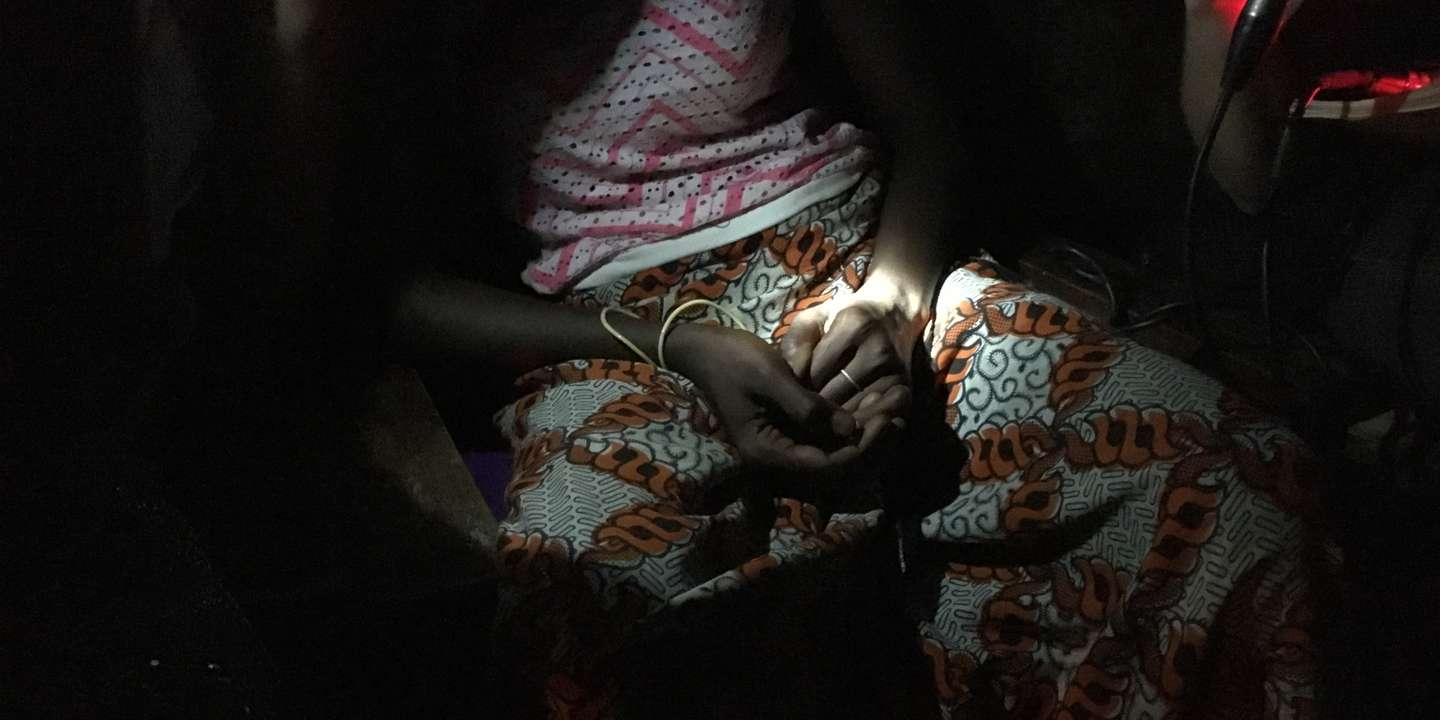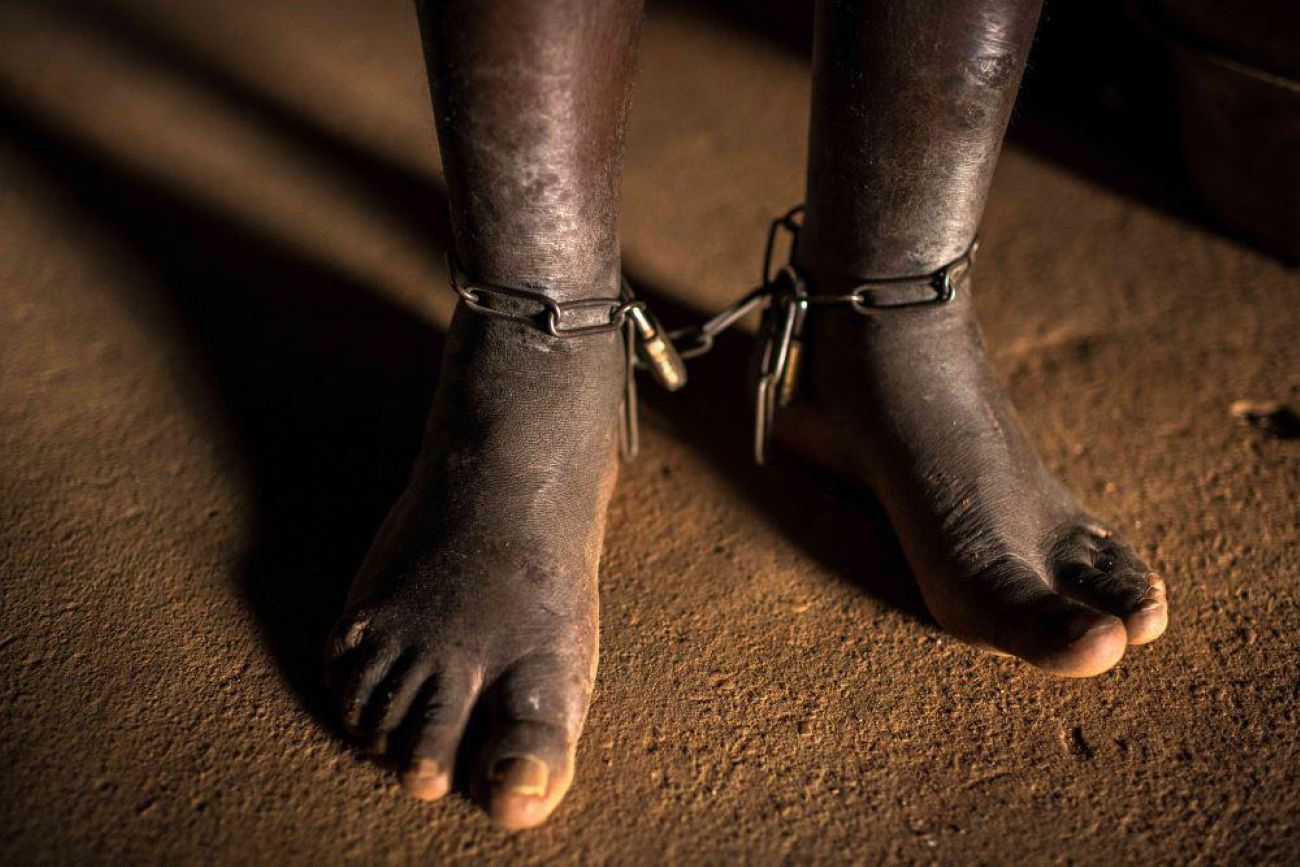
Bangui, Centrafrique's only psychiatric center is grappling with severe operational challenges as World Mental Health Day approaches on October 10. On this date, humanity commemorates World Mental Health Day, an annual observance dedicated to raising awareness and mobilizing efforts in support of mental health. The facility faces significant hurdles in providing adequate care, noting broader issues within the nation's mental healthcare system. This situation shows the pressing need for increased resources and support for mental health services in the Central African Republic. The upcoming commemoration serves as a critical reminder of the ongoing struggles faced by institutions like Bangui's psychiatric center and the patients they serve, particularly in resource-constrained environments. The challenges here reflect a wider global disparity in mental health provision, making the observance of this day particularly poignant for nations like Centrafrique.
Patient Care Difficulties
Bangui's sole public psychiatric center faces numerous difficulties that complicate patient care. The institution, which serves as Centrafrique's only facility dedicated to mental health, operates under significant constraints. These challenges directly impact the center's ability to provide full and consistent treatment to its patients, often prolonging recovery times and exacerbating conditions. Staff at the facility often contend with limited resources, including shortages of essential medications and a lack of specialized equipment. The scarcity of psychotropic drugs, for instance, can severely impede effective symptom management and long-term therapeutic outcomes. Infrastructure deficiencies further impede effective care delivery, with reports indicating inadequate facilities for patient accommodation and therapy. The environment within the center, coupled with the scarcity of trained mental health professionals, creates a complex situation for both patients and caregivers. Addressing these systemic issues is key for improving the standard of psychiatric care available in the Central African Republic. The difficulties encountered at the center show the broader fragility of the nation's healthcare infrastructure, particularly in specialized medical fields that require specific expertise and sustained funding.
Mental Health Awareness Context
The challenges facing Bangui's psychiatric center are noted as World Mental Health Day approaches on October 10. This year's World Mental Health Day theme is: 'Making lived experience, real voices, real change'. This global observance focuses on the theme "Making lived experience, real voices, real change." The theme, officially stated as "Faire entendre les expériences vécues, des voix réelles, un changement réel," emphasizes the importance of incorporating personal narratives into mental health advocacy and policy. This approach seeks to elevate the perspectives of individuals with direct experience of mental health conditions, aiming to foster more effective and empathetic support systems. By prioritizing these voices, the global community hopes to shape policies and services that are more responsive to the actual needs of those living with mental health challenges. The theme shows a global effort to move beyond purely clinical perspectives and integrate the practical realities faced by patients and their families into broader discussions about mental healthcare. For facilities like the one in Bangui, this theme resonates deeply, as the lived experiences of patients there often go unheard amidst systemic limitations.
Impact on Community
The operational difficulties at Bangui's sole psychiatric center extend beyond its immediate patient population, affecting the broader community in Centrafrique. As the nation's only dedicated mental health facility, its struggles mean that many individuals requiring specialized care may not receive it, potentially leading to increased societal strain and a greater burden on informal care networks. Families of those suffering from mental health conditions often bear a significant burden, lacking institutional support or alternative resources within the country to manage complex needs. The limited capacity of the center to treat and rehabilitate patients can also hinder their reintegration into society, perpetuating cycles of illness and dependency and impacting their ability to contribute to the local economy. This situation shows a wider public health challenge for Centrafrique, where the absence of strong mental healthcare infrastructure impacts community well-being and productivity. The upcoming World Mental Health Day serves as a reminder of these systemic gaps and the urgent need for full strategies to address mental health at a national level.