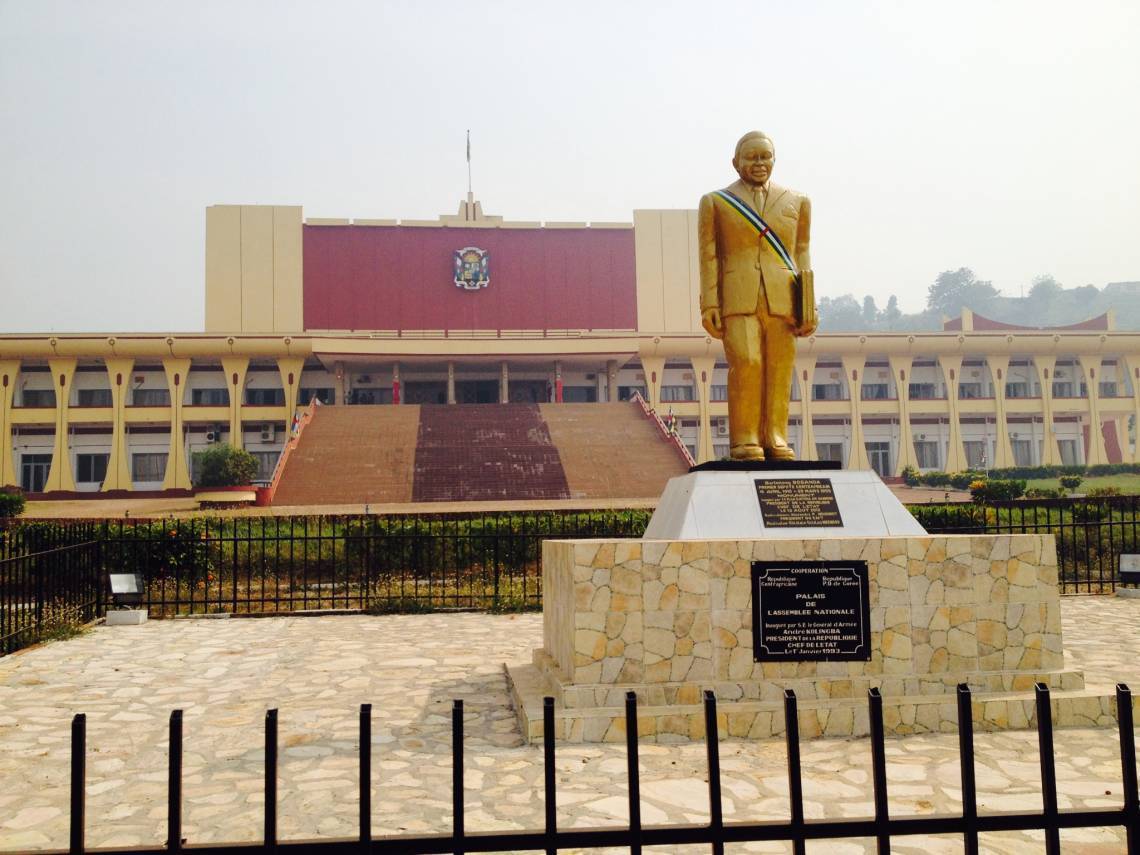
Several inhabitants of Bangui's 9th Arrondissement are experiencing difficulties accessing basic social services, according to reports from August 26, 2026. This situation notes service gaps amidst ongoing land development in the area. The challenges faced by residents in the 9ème arrondissement de Bangui show broader issues within the Centrafrique capital regarding infrastructure and public service provision. The reported date of August 26, 2026, marks the current assessment of these service deficiencies, indicating a persistent problem that requires immediate attention and strategic planning. The rapid urban expansion in this district has not been adequately matched by corresponding improvements in communal amenities, leading to significant disparities in living conditions for its residents.
Residents' Daily Struggles
Residents of Bangui's 9th Arrondissement face significant challenges in their daily lives due to deficiencies in essential services. The lack of adequate infrastructure impacts public service provision throughout the area, affecting everything from healthcare access to educational facilities and sanitation. This situation is particularly acute in the 9ème arrondissement de Bangui, where inhabitants report difficulties accessing basic amenities that are often taken for granted in other parts of the city. The issues show broader problems within the Centrafrique capital regarding urban development and the delivery of necessary communal resources. The ongoing land development in the district has not alleviated these service gaps, with residents continuing to experience hurdles in their daily routines, including long commutes for essential services or reliance on inadequate local provisions. The reported conditions highlight a persistent struggle for many living in this part of Bangui, where the promise of development often clashes with the reality of insufficient public services. These daily struggles contribute to a diminished quality of life and hinder the overall progress of the community.
Deputy's Call for Balanced Development
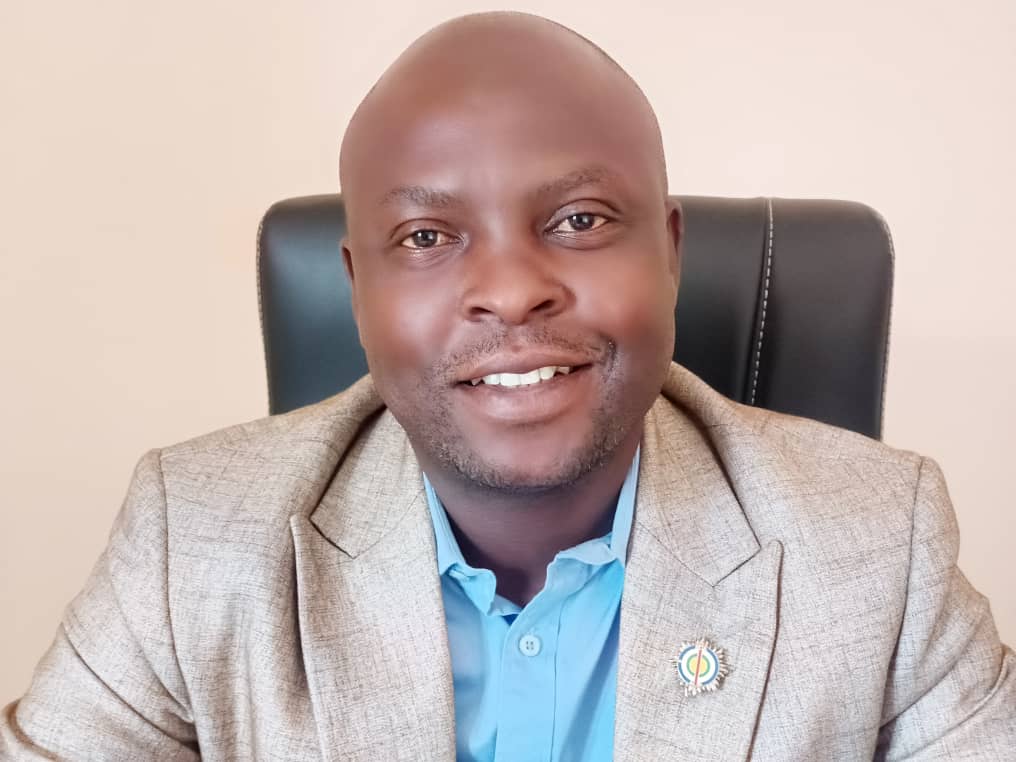
Omer Alban Dolé-Dobia, the deputy for Bangui's 9th Arrondissement, is actively proposing solutions to address the service deficiencies and development challenges within the district. His efforts focus on finding practical remedies to the issues impacting residents' access to basic social services, acknowledging the urgency of the situation. The deputy's proposals aim to create a more equitable distribution of resources and infrastructure, ensuring that ongoing land development benefits all inhabitants of the 9ème arrondissement de Bangui, rather than exacerbating existing inequalities. These solutions are intended to bridge the existing gaps in public service provision, which have become a significant concern for the local population and a barrier to sustainable growth. Dolé-Dobia's initiative seeks to balance urban expansion with the fundamental needs of the community, advocating for development that includes strong social infrastructure such as improved roads, schools, and health centers. The deputy's engagement notes a political commitment to resolving the long-standing issues faced by residents, demonstrating a proactive approach to governance. His work involves formulating strategies that can be implemented to improve the living conditions and service access for the people of Bangui's 9th Arrondissement, emphasizing sustainable and inclusive growth in the Centrafrique capital. These strategies often involve collaboration with local authorities and community leaders to ensure their relevance and effectiveness.
Protecting Vulnerable Populations
The challenges in Bangui's 9th Arrondissement highlight the particular vulnerabilities faced by residents lacking consistent access to essential services. Ongoing land development within the 9ème arrondissement de Bangui has not yet translated into improved public service provision for all inhabitants, leaving many without the necessary support. This situation places an increased burden on the more susceptible segments of the population in the Centrafrique capital, including children, the elderly, and low-income families, who often have fewer alternatives. Addressing these disparities is key for ensuring equitable development and protecting the well-being of the community as a whole. Efforts are focused on mitigating the negative impacts of uneven growth, ensuring that urban expansion benefits, rather than marginalizes, residents. The current state of service gaps shows the need for targeted interventions to safeguard vulnerable populations within Bangui's 9th Arrondissement, promoting a more inclusive and resilient urban environment. These interventions are vital to prevent further social stratification and to ensure that development genuinely serves all members of the community.