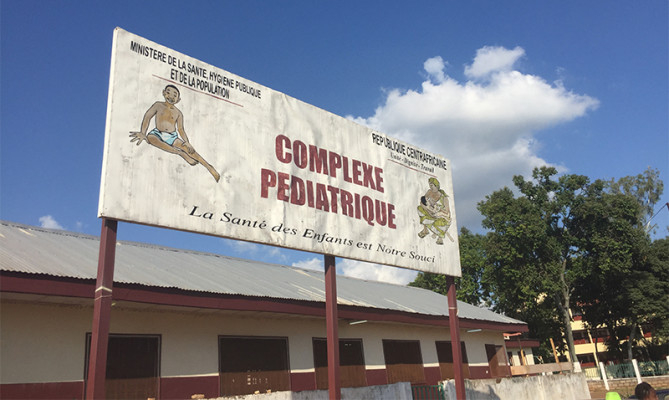
The Complexe pédiatrique de Bangui is experiencing a notable decrease in patient numbers, with waiting rooms now less frequented than in previous periods. This decline comes after certain free care programs, previously funded by partners, were suspended. As a result, some parents are reportedly no longer bringing their sick children to the facility in Bangui, Centrafrique. The visible reduction in activity within the hospital's public areas signals a significant shift in healthcare access for many families.
Impact of New Fees
The reintroduction of some medical fees at the Complexe pédiatrique de Bangui is causing many families to hesitate before seeking treatment at the facility. This hesitation has contributed to a noticeable decrease in patient occupancy. The financial burden, even if partial, is proving to be a significant deterrent for households already struggling with economic pressures. Currently, many beds remain empty in Units A and B of the Complexe pédiatrique, indicating a significant drop in the number of children being admitted for care. This situation raises concerns among healthcare providers about the potential long-term health implications for children who are not receiving timely medical attention. The reduced patient flow directly impacts the hospital's operational capacity and its mission to serve the pediatric population.
Background of Free Care
Since 2016, the Central African government, in collaboration with various aid partners, implemented a system of targeted free care within its public hospitals. This initiative aimed to alleviate the financial burden on vulnerable populations seeking medical treatment. The official announcement of this targeted free care measure was made in November 2025, with its full implementation commencing at the beginning of 2026. This policy allowed many families to access essential medical services without direct cost at the point of care, significantly improving health outcomes for countless children and mothers across the country. The program was a cornerstone of public health strategy, designed to ensure that economic status did not prevent access to critical medical interventions. Its temporary suspension has therefore created a substantial gap in the healthcare safety net.
Calls for Support
Health officials have issued a plea to both authorities and international partners, requesting increased support. The appeal emphasizes the urgent need for consistent access to pediatric care for children across Centrafrique, with a particular focus on the nation's most vulnerable young patients. This call shows concerns that the current situation, marked by reduced patient numbers at facilities like the Complexe pédiatrique de Bangui following fee reintroductions, could jeopardize the health outcomes of children who cannot afford medical services. Officials are seeking renewed commitment to ensure that financial barriers do not prevent essential treatment for those most in need. They highlight that sustained funding and partnership are key to reinstating full free care programs and safeguarding the health of the nation's youth.
Patient and Official Perspectives
While some individuals have voiced complaints regarding the reception of patients, the management team at the Complexe pédiatrique de Bangui maintains a reassuring stance on the situation. Official policy stipulates that free care provisions continue to cover specific vulnerable groups. This includes all children under the age of five, as well as pregnant women and breastfeeding women, who are still eligible to receive medical services without charge. The hospital management asserts that these designated groups continue to receive care as per the established guidelines, aiming to mitigate the impact of broader fee reintroductions on the most at-risk populations. Despite these assurances, the overall drop in patient numbers suggests that many families not falling into these specific categories are now facing significant challenges in accessing necessary medical attention for their children.