Bangassou, a significant city nestled within the Mbomou prefecture of Centrafrique, faced a severe security crisis in 2017. This period of widespread unrest profoundly impacted the region, disrupting the fabric of daily life and undermining the foundational elements of stability that communities rely upon. The crisis left deep scars, necessitating a sustained and concerted effort towards recovery. This article, published on June 1, 2026, offers an examination of the ongoing, dedicated efforts to rebuild peace and systematically address the complex, long-term consequences that emerged from that tumultuous period in Bangassou's history. The journey towards full recovery is multifaceted, encompassing security, social cohesion, and economic revitalization.
Context of the Crisis
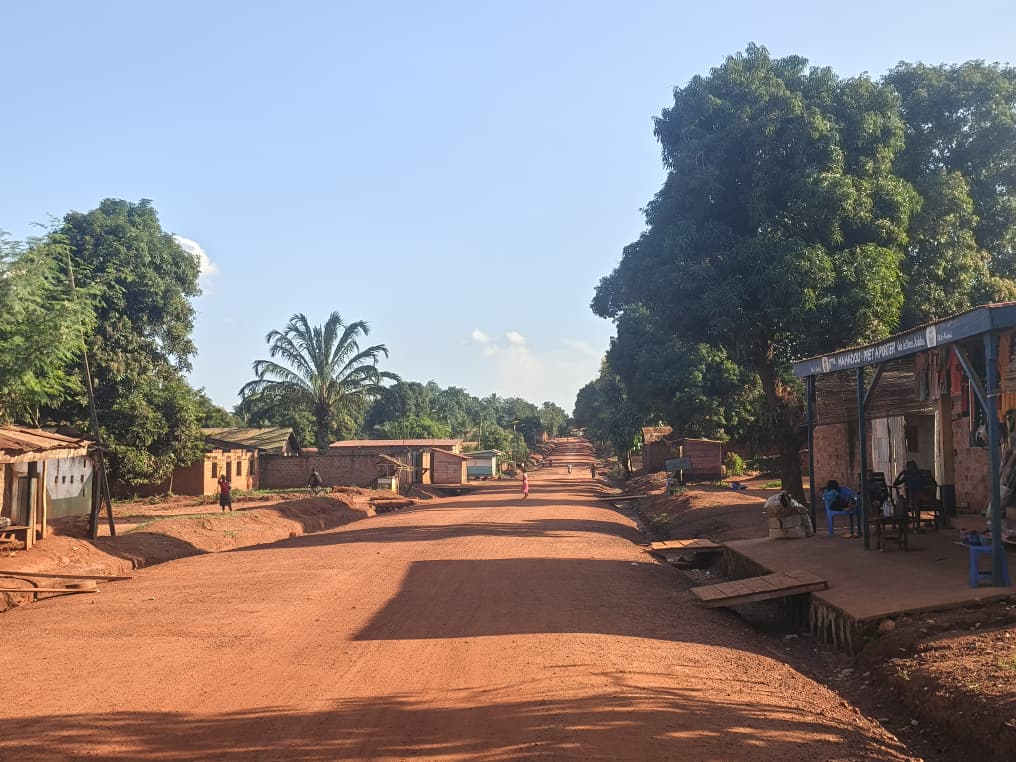
Bangassou is strategically situated nearly 750 kilometers from the national capital city of Bangui, positioning it deep within the Mbomou prefecture of Centrafrique. This considerable geographical distance from the central government presented significant and unique challenges during the height of the 2017 crisis. The remoteness of the location directly contributed to substantial difficulties in delivering key humanitarian aid and deploying necessary security reinforcements, leaving the local population vulnerable. Consequently, communities in Bangassou often endured prolonged periods of intense instability with notably limited external intervention, exacerbating the impact of the conflict. Efforts to restore peace and rebuild essential infrastructure have since been further complicated by the inherent logistical demands of operating effectively in such a distant and challenging region. The city's prominent position in the southeastern part of the country also meant it became a critical nexus where various regional dynamics converged during the conflict, adding layers of complexity to the security situation and the subsequent peacebuilding efforts.
Peace Consolidation Efforts
In response to the enduring aftermath of the 2017 crisis, local authorities in Bangassou are actively increasing their awareness initiatives across various communities. These vital efforts are specifically designed to consolidate the fragile peace that has begun to take root and to strengthen the social cohesion within the region, which was profoundly affected and fractured by the crisis. The programs are meticulously designed to engage a diverse array of segments of the population, fostering open dialogue and promoting mutual understanding as key strategies to prevent any future escalations of conflict. These initiatives represent a cornerstone component of the broader, full strategy aimed at stabilizing Bangassou and ensuring a lasting return to normalcy and sustainable development. The unwavering focus remains squarely on rebuilding trust among residents, healing past divisions, and encouraging collaborative solutions that empower communities to work together for a more peaceful future. By multiplying these awareness actions, authorities aim to embed a culture of peace and cooperation at the grass-roots level.
Signs of Stability
Bangassou is gradually, yet steadily, regaining its stability following the profound disruptions caused by the 2017 crisis. The city, which is a vital hub located in the Mbomou prefecture of Centrafrique, has witnessed a measurable reduction in conflict-related incidents, creating a more secure environment that now allows for a renewed focus on rebuilding and strong community engagement. This tangible progress is largely attributed to a range of dedicated local initiatives specifically designed to foster peace and enhance social cohesion among its diverse residents. These efforts include full awareness campaigns aimed at addressing underlying tensions, promoting constructive dialogue, and facilitating reconciliation within the various communities that were deeply affected by the past unrest. The sustained commitment to these key programs and the active participation of the local population indicate a positive and encouraging shift towards long-term recovery and resilience for the entire region, signaling hope for a future free from the shadow of conflict.