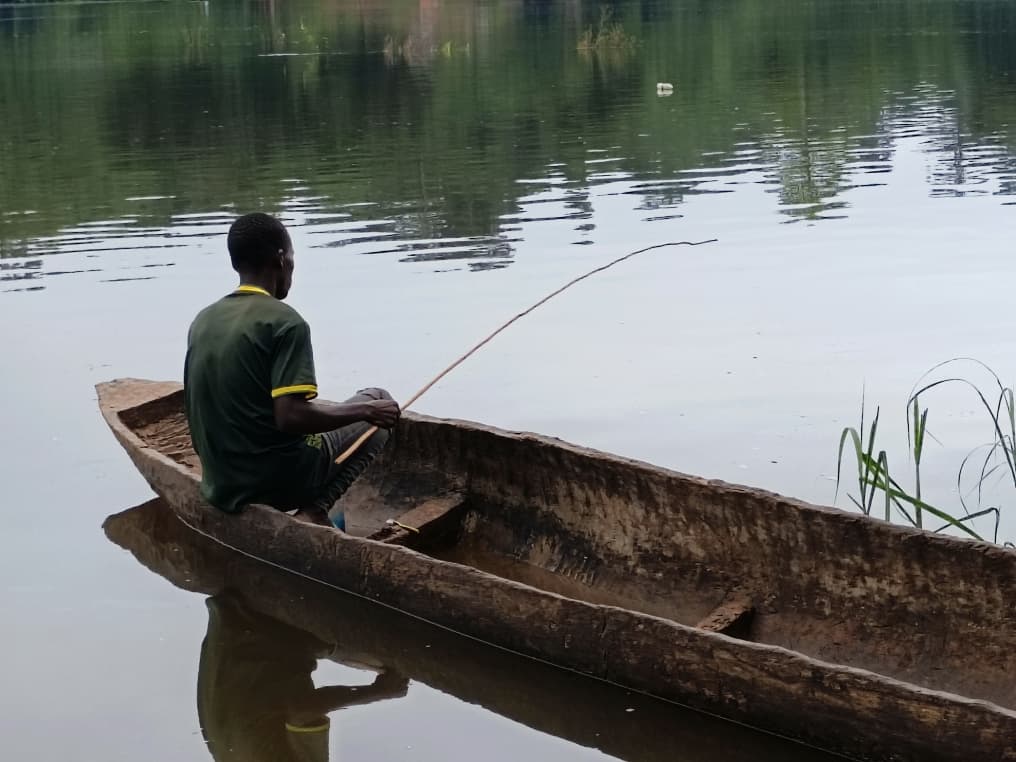
Fishermen in Bangassou, located in the Mbomou prefecture of Centrafrique, are facing increasing difficulties due to dwindling fish stocks. The situation, detailed in an article published on June 7, 2026, notes the profound challenges confronting local fishing communities. This decline impacts the livelihoods of many residents who depend on fishing for sustenance and income, threatening their traditional way of life and economic stability. The article specifically focuses on the daily struggles and long-term implications for these fishermen in the Mbomou prefecture.
The Troubled Waters
Fishermen in Bangassou, within Centrafrique's Mbomou prefecture, are witnessing a significant reduction in their catches, a development that directly threatens their traditional way of life. This decline has been attributed by local communities to several interconnected factors impacting the aquatic ecosystem, including environmental degradation and unsustainable fishing practices. The diminishing returns from their daily expeditions mean less food for families and reduced income, creating a ripple effect throughout the local economy. This environmental shift affects not only individual livelihoods but also the broader economic stability of the region, where fishing has long been a cornerstone of community life.
The challenges faced by these fishing communities are part of a larger discussion about resource management and environmental protection in Centrafrique. Organizations like Radio Ndeke Luka, supported by entities such as the Journalism Trust Initiative, Fondation Hirondelle, the Direction du développement et de la coopération DDC - Confédération Suisse, and the Union Européenne, have previously noted the vulnerability of local populations dependent on natural resources. The current situation shows the urgent need for sustainable practices to preserve the fish stocks for future generations, ensuring the continued viability of fishing as a profession. Local fishermen, including figures like Destin de Bonheur Wilikon and Gildas Nabéza, have voiced profound concerns over the diminishing returns from their daily expeditions, noting a marked decrease in both the quantity and size of fish caught. They describe the increasing effort required to secure even a modest catch, a stark contrast to previous years.
Context of the Decline
The dwindling fish stocks in Bangassou, a town in the Mbomou prefecture of Centrafrique, are impacting the local fishing communities who rely heavily on these resources for their livelihoods. This decline has become a pressing concern for residents in the region, with its effects extending beyond economic hardship to food security and cultural preservation. The challenges faced by fishermen like Destin de Bonheur Wilikon and Gildas Nabéza highlight broader issues of environmental change and resource management within Centrafrique, pointing to systemic pressures on natural habitats. Organizations such as Radio Ndeke Luka have previously reported on similar vulnerabilities among populations dependent on natural resources, often documenting how environmental shifts exacerbate existing socio-economic fragilities. These reports often receive key support from entities like the Journalism Trust Initiative, Fondation Hirondelle, the Direction du développement et de la coopération DDC - Confédération Suisse, and the Union Européenne, showing the international awareness of such ecological and social pressures. The current situation in Bangassou reflects a continuing struggle for sustainability in the face of environmental shifts, demanding greater attention and concerted efforts to mitigate further degradation. The specific focus on the difficulties faced by fishermen in Bangassou, in the Mbomou prefecture, serves as a critical case study for understanding these wider issues.
Broader Implications and Series
The report detailing the struggles of Bangassou's fishermen is part of a broader journalistic initiative, emphasizing the systemic nature of these challenges. This particular investigation is identified as an installment within the 'Grand reportage' series, a collection of in-depth features designed to illuminate critical issues across the region. The series aims to provide full coverage of significant issues affecting communities, often focusing on environmental and socio-economic challenges that might otherwise receive limited attention. The inclusion of the Bangassou situation in 'Grand reportage' shows the perceived importance and systemic nature of the declining fish stocks, positioning it as a key narrative within ongoing explorations of resource management and local livelihoods. This reporting approach often involves extensive field work and interviews to capture the full scope of the problems faced by affected populations, ensuring that their voices and experiences are central to the narrative. The series aims to foster greater public understanding and encourage policy discussions around sustainable resource management.