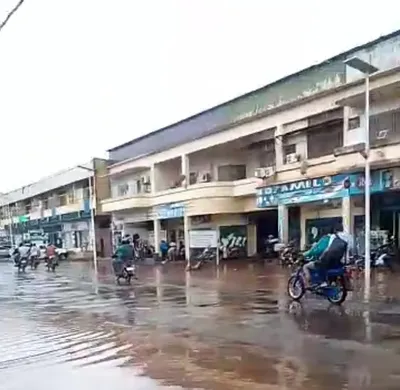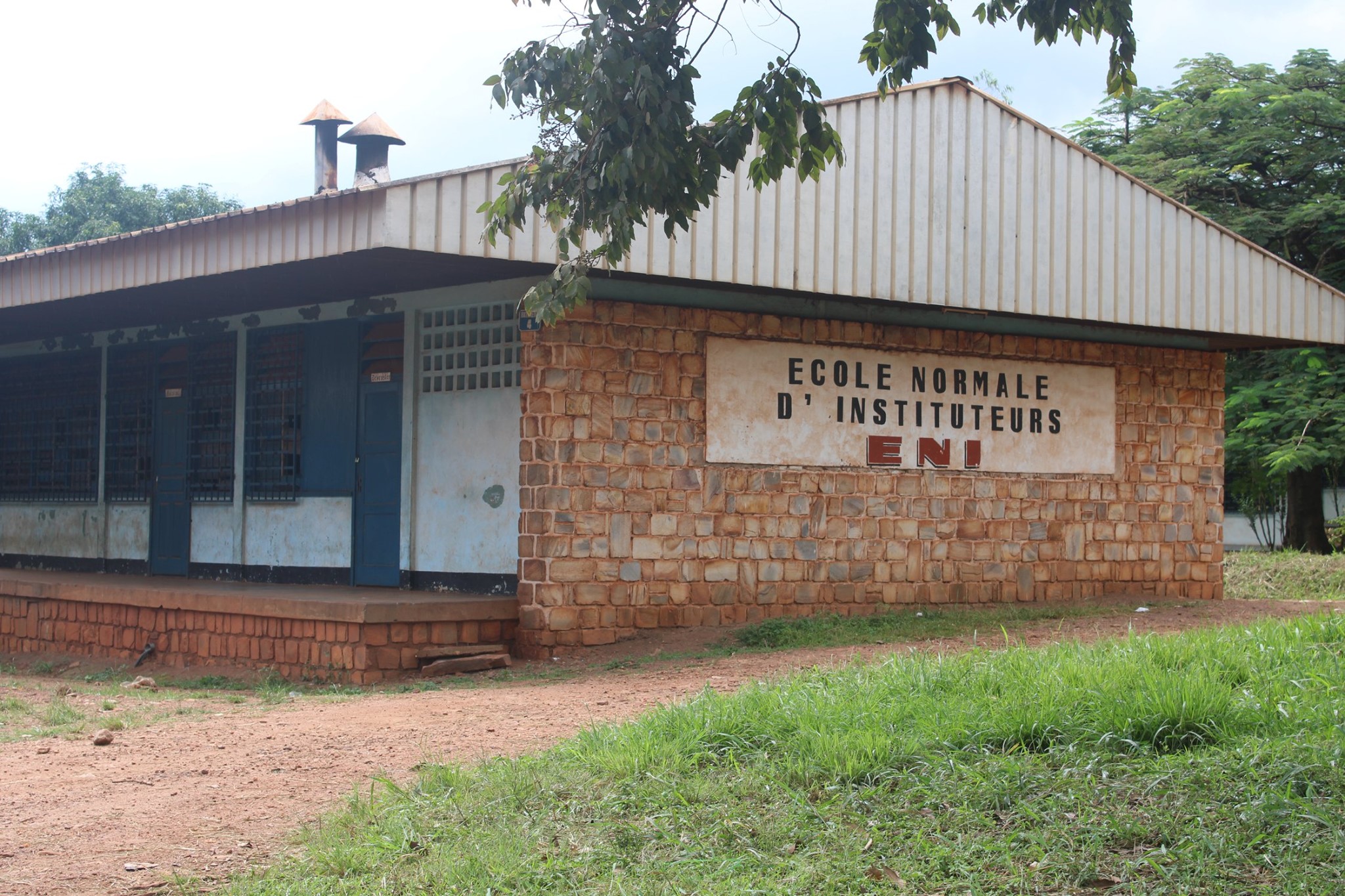
Students of the Institut national de formation des professeurs d’école (INFPE), formerly known as ENI, in Bambari, Centrafrique, demonstrated on Thursday morning. The protest noted issues including unpaid scholarships and concerns over poor living conditions at the institution. The students gathered to voice their grievances collectively regarding their academic and residential circumstances, emphasizing the urgent need for resolution. Their demonstration showed deep-seated frustrations regarding their educational environment and financial support.
Student Grievances Detailed
Students at the Institut national de formation des professeurs d’école (INFPE) in Bambari are facing significant challenges in acquiring essential training materials, including fascicules, course supports, and bristol paper. The scarcity of these critical resources has reportedly hindered their academic progress, making it difficult for them to fully engage with their studies and prepare for their future roles as educators. The students claim that these difficulties in purchasing necessary training materials directly impact their ability to succeed in their programs.
Beyond academic resources, students have also criticized the quality and quantity of food provided at the institution, describing it as "deplorable." This concern contributes significantly to their broader dissatisfaction with living conditions on campus, impacting their health and well-being. The students denounce the deplorable quality and quantity of food provided, stating it is insufficient and often unappetizing.
Students report a persistent lack of potable water at the institute, which has significantly affected their daily lives. This forces them to fetch water from nearby neighborhoods after their classes conclude, adding an arduous task to their daily routine. The absence of a reliable and safe water supply is a major point of contention, contributing to the students' overall dissatisfaction with the living conditions provided by the institution.
Protesting students have affirmed their intention to continue their demonstration and will not return to classes until their scholarships are disbursed. Their stance indicates a sustained commitment to their demands for improved financial support and living standards. The students are maintaining their protest and have explicitly stated that they will only resume classes after their scholarships are effectively paid.
Official Response and Delays
Scholarship payment delays for the students at INFPE had reached nearly six months. This prolonged delay has created significant financial hardship for the students, many of whom rely on these funds for their daily expenses and educational needs. Jérémy Déo Gracias, the director of studies at INFPE, acknowledged these significant delays in scholarship payments.
Mr. Gracias stated that the scholarships had been unlocked and arrangements were subsequently made to send the allocated funds to Bambari. He confirmed that efforts were underway to rectify the situation and ensure the students receive their outstanding payments. However, the students' continued protest indicates they are awaiting the physical disbursement of these funds before ending their action.
Protest Continues
As their grievances remained unresolved, students barricaded the main entrance of the Institut national de formation des professeurs d’école (INFPE) in Bambari. This action effectively prevented access to the educational establishment as the protest continued, showing the students' determination to have their demands met. The barricade served as a visible manifestation of their collective frustration and resolve.
The ongoing issues, including the delayed scholarship payments, the lack of essential training materials, the poor quality of food, and the absence of potable water, all contribute to the students' overall dissatisfaction with the living conditions provided by the institution. Their sustained protest notes a critical need for immediate and full action from the authorities to address these pressing concerns. The students' unified stand emphasizes their demand for not just promises, but tangible improvements to their academic and residential environment.