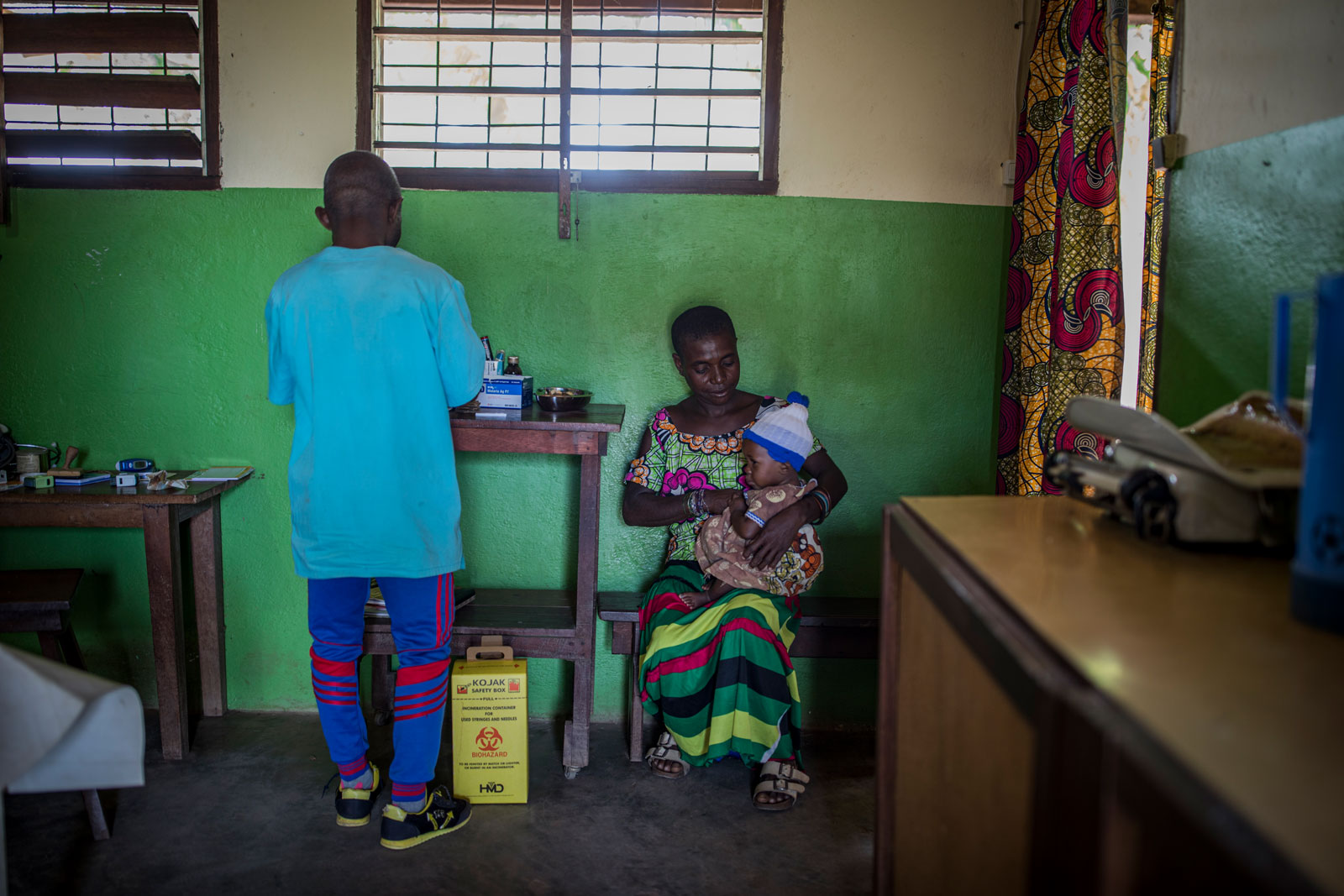
The village of Babongo, located 10 kilometers from Bayanga, is experiencing critical shortages at its local health post, impacting residents' access to essential medical care. The facility, which serves the immediate community, has been struggling with a widespread lack of vital supplies and infrastructure, severely hindering its operational capacity. This challenging situation has raised considerable concerns among local officials and aid workers alike regarding the health and well-being of the population, which is heavily reliant on the post for primary healthcare services. The deficiencies at the health post mean that basic medical needs often go unmet, posing significant risks to the community. Efforts to address these longstanding deficiencies are reportedly underway, though the sheer scale of the challenge remains significant for this remote community, which faces unique geographical and logistical hurdles in accessing external support.
Struggles in Patient Care
The health post in Babongo faces significant and pressing challenges in providing adequate care for patients, according to local reports. The facility, which serves as the sole primary healthcare provider for the village, is experiencing profound difficulties in delivering essential medical services to those who are ill and in need of attention. These struggles are directly impacting the community's access to timely and effective treatment for a wide array of various health conditions, from routine ailments to more serious illnesses. The operational constraints, including a lack of resources and trained personnel, at the health post mean that sick individuals may not receive the necessary attention or resources required for their recovery, potentially leading to worsened health outcomes. The current situation shows the urgent and undeniable need for substantial improvements in the provision of patient care within the Babongo medical facility, ensuring that residents can receive the basic medical support they require.
Persistent Personnel and Equipment Gaps
The Babongo health post has been grappling with a chronic deficit of both qualified medical personnel and appropriate medical equipment for an extended period, spanning several years. For this prolonged duration, the establishment has been facing a critical lack of qualified personnel and suitable medical equipment, profoundly impacting its operational capacity and its ability to serve the community effectively. This ongoing shortage means the facility consistently struggles to maintain consistent staffing levels with trained professionals capable of addressing diverse health needs, including diagnosis, treatment, and preventative care. Concurrently, the absence of modern or even basic functional medical equipment severely hinders diagnostic capabilities, making it difficult to accurately identify conditions, and thereby impeding the provision of effective treatments. These persistent gaps in both human resources and essential tools directly affect the quality and scope of healthcare services available to the residents of Babongo, limiting their access to full care. The long-standing nature of these deficiencies suggests a systemic challenge in resource allocation and support for remote health facilities like the one in Babongo, noting a broader issue of equitable healthcare access.
Location and Community Impact
These widespread deficiencies profoundly complicate the vital work of health agents and severely limit the care available to the entire population of Babongo. The health post is not just a facility; it is the primary and often only healthcare provider for the village, which is situated 10 kilometers from the nearest larger town, Bayanga. Residents rely almost entirely on this facility for essential medical services, making its compromised state a direct threat to public health. The ongoing shortages directly impact the ability of health agents to perform their duties effectively, leading to reduced access to necessary treatments and preventative care for community members. This dire situation has created significant challenges for the local population in obtaining timely and adequate medical attention, further straining a community already facing limited resources and geographical isolation. The severe constraints at the health post mean sick individuals may not receive the necessary attention or resources required for their recovery, potentially exacerbating illnesses and leading to preventable complications. The overall impact extends beyond individual cases, affecting the general well-being, productivity, and long-term health outcomes of the entire Babongo community.