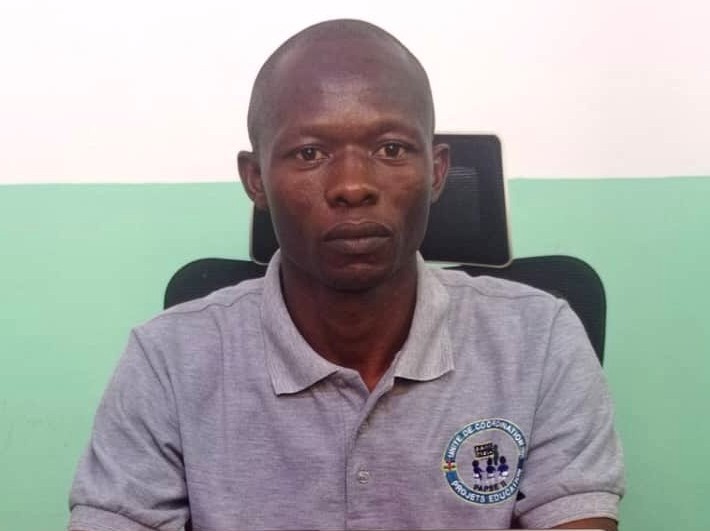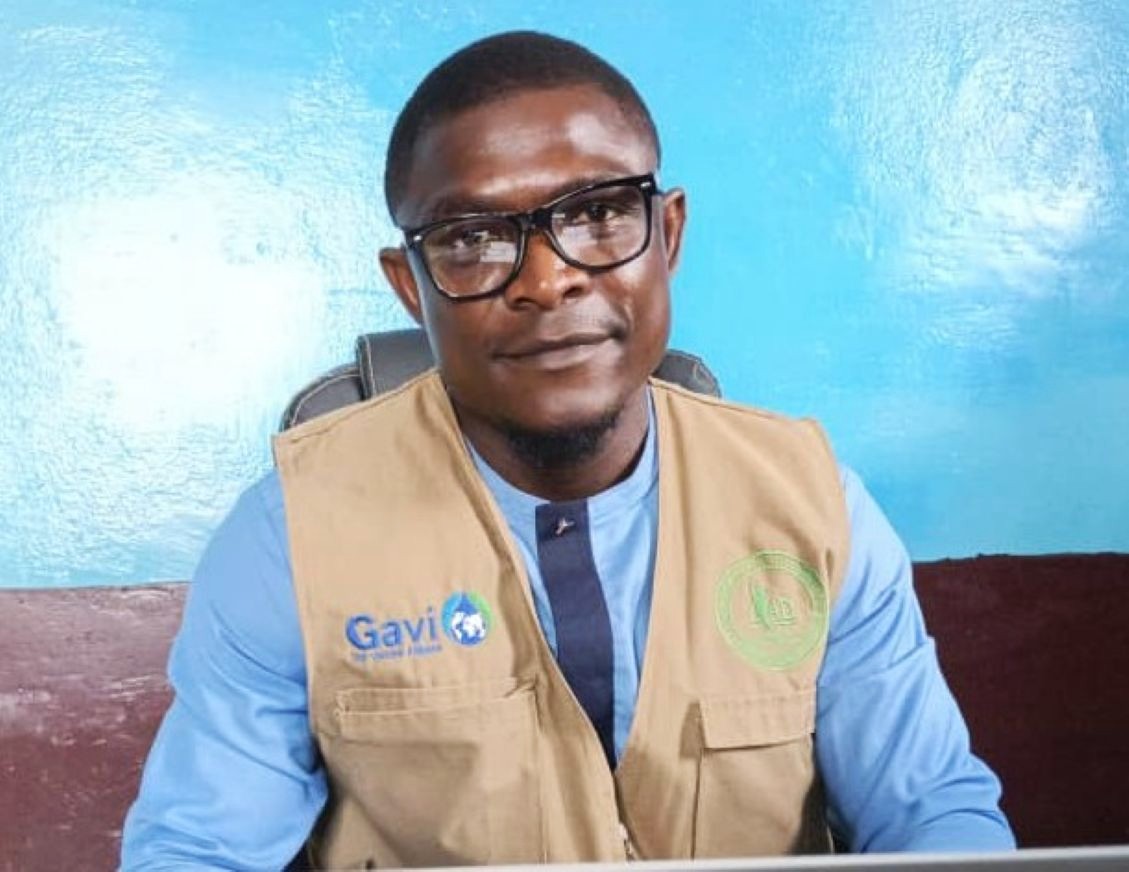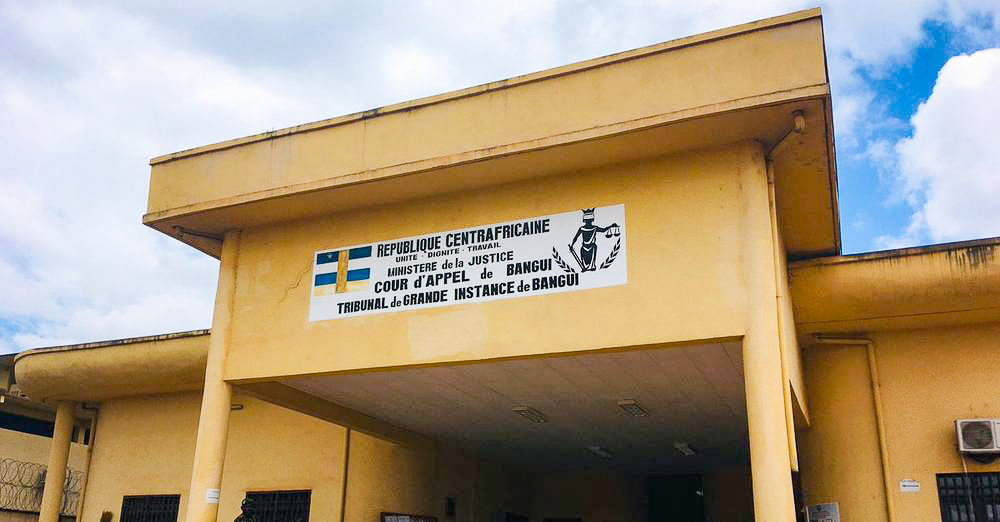
The NGO Action des universitaires pour les droits de l’Homme (AUDH) recently conducted an investigation in Central African cities, detailing judicial and domestic burdens primarily affecting women. The findings emerged from field research carried out in Bangui, Bambari, Baoro, and Mongoumba. Axel Batoka Zoubalet, coordinator of AUDH, oversaw the investigation. The report identifies specific challenges faced by women in accessing justice and managing household responsibilities across these locations in Centrafrique. The full investigation by Action des universitaires pour les droits de l’Homme (AUDH) aimed to shed light on the systemic issues impacting women's rights and daily lives. This extensive field research provided a key understanding of the local conditions and challenges.
Judicial Access Denied
Women in the Central African cities of Bambari, Baoro, and Mongoumba lack adequate access to judicial structures, according to a recent report by Action des universitaires pour les droits de l’Homme (AUDH). The investigation noted significant barriers preventing women in these areas from engaging effectively with the legal system. This limited access contributes to their vulnerability and challenges in seeking justice for various grievances. The AUDH findings indicate a systemic issue in these specific locations, differentiating them from the capital, Bangui, which was also part of the study but not cited for this particular deficiency. The report shows the need for improved infrastructure and support mechanisms to ensure women can exercise their legal rights. This lack of adequate access to judicial structures means that many women struggle to report crimes, seek legal redress, or protect their fundamental rights. The study specifically focused on the conditions in Bambari, Baoro, and Mongoumba to illustrate these critical gaps in legal support.
Unassisted Domestic Responsibilities
Many women in Central African cities are compelled to manage household responsibilities and financial burdens without support from their husbands, according to the Action des universitaires pour les droits de l’Homme (AUDH) report. The investigation found that this situation forces women to undertake a disproportionate share of domestic tasks and financial obligations. This often includes childcare, meal preparation, and maintaining the household, alongside contributing to the family's income. The AUDH report indicates that this lack of shared responsibility places significant strain on women, impacting their well-being and their capacity to engage in other activities. The findings highlight a societal pattern where women are left to navigate these essential roles largely unassisted, contributing to the broader challenges identified in the urban centers of Centrafrique. Many women are forced to bear charges and assume household tasks without assistance from their husbands, leading to significant personal and economic hardship. This imbalance of duties often limits their opportunities for education, employment, and political participation.
AUDH Investigation Details
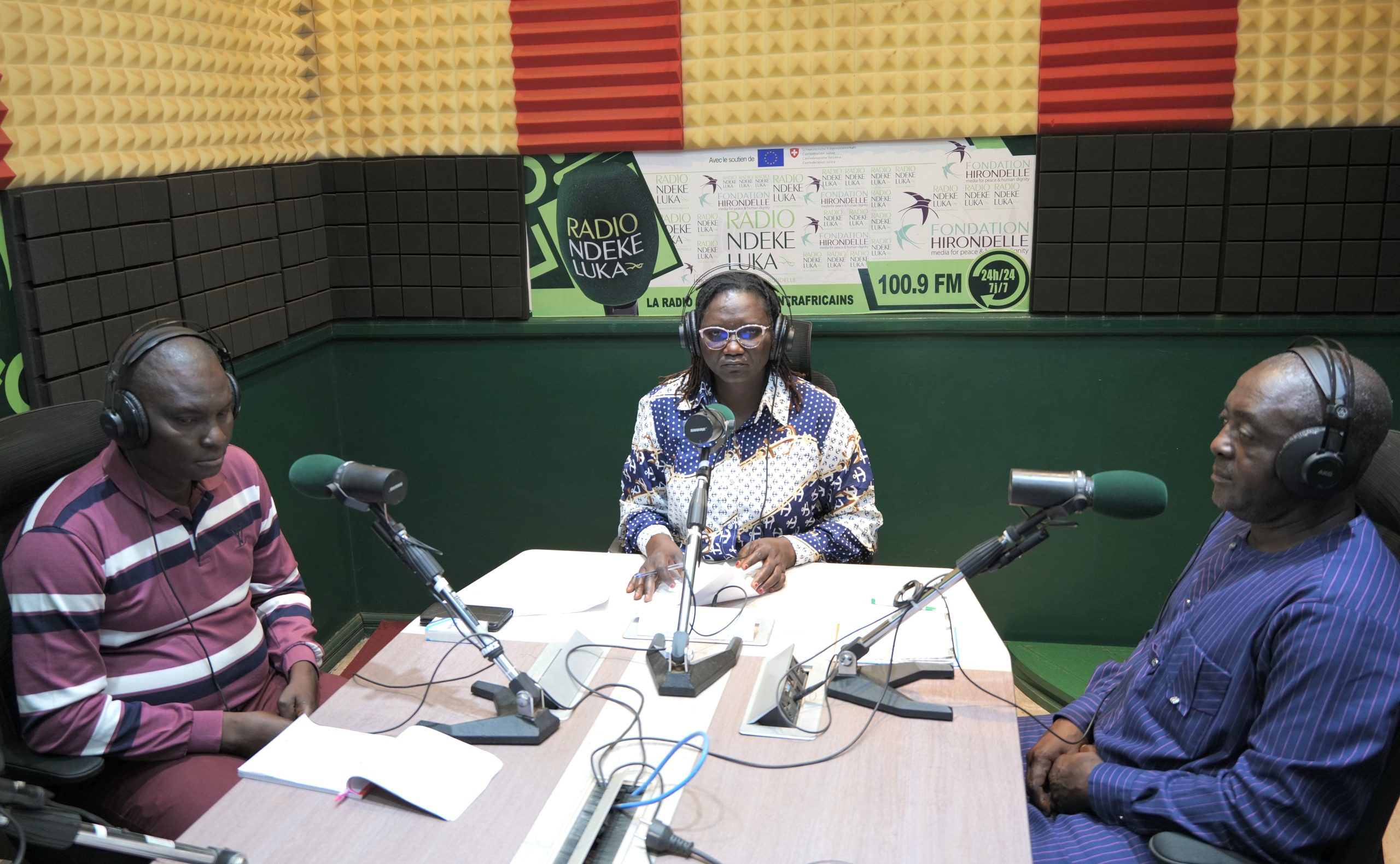
The investigation by Action des universitaires pour les droits de l’Homme (AUDH) specifically included the cities of Bambari, Baoro, and Mongoumba to gather data on women's experiences. These locations were central to understanding the challenges identified in the report. Andy Avila Bissayo later interviewed Axel Batoka Zoubalet, the coordinator of AUDH, to discuss the findings. Zoubalet provided insights into the research conducted across the designated Central African urban centers. The in-depth study in Bambari, Baoro, and Mongoumba allowed researchers to collect firsthand accounts and detailed observations regarding the difficulties women face. The interview with Mr. Zoubalet further elaborated on the methodology and the implications of the report's conclusions.
Context and Scope
The Action des universitaires pour les droits de l’Homme (AUDH) conducted an investigation into judicial and domestic burdens affecting women in Central African cities. The study focused on several key urban centers, including Bangui, Bambari, Baoro, and Mongoumba. Axel Batoka Zoubalet, the coordinator for AUDH, oversaw the research efforts. The report aims to detail the specific challenges women face in Centrafrique regarding access to justice and the management of household responsibilities. Andy Avila Bissayo later interviewed Mr. Zoubalet to discuss the findings, which were supported by organizations such as Radio Ndeke Luka and Fondation Hirondelle. The collaboration with these organizations helped facilitate the extensive fieldwork and dissemination of the report's key findings, ensuring a wider reach and impact for the advocacy efforts of AUDH.