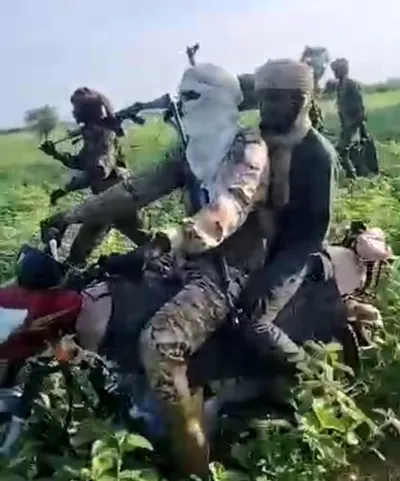
The national army base in Amdafock was completely destroyed following an assault by rebels and Russian mercenaries. This significant event marks a critical escalation in the ongoing conflict within the region. The attack occurred recently, with Wagner Group mercenaries arriving by helicopter the day after the base's destruction. Rebelles, a group identified as responsible for the initial assault, claimed the base was "totally destroyed" in the operation. The involvement of Russian mercenaries signals a significant escalation in the conflict, raising questions about command structures and operational coordination within the Central African Republic. The complete obliteration of the national army base in Amdafock represents a profound shift in the security dynamics of the area, leaving a strategic void that the Forces Armées Centrafricaines (FACA) must address. The incident shows the volatile nature of the security environment and the complex interplay of various armed actors operating within the country.
Rebel Attack and Wagner Arrival
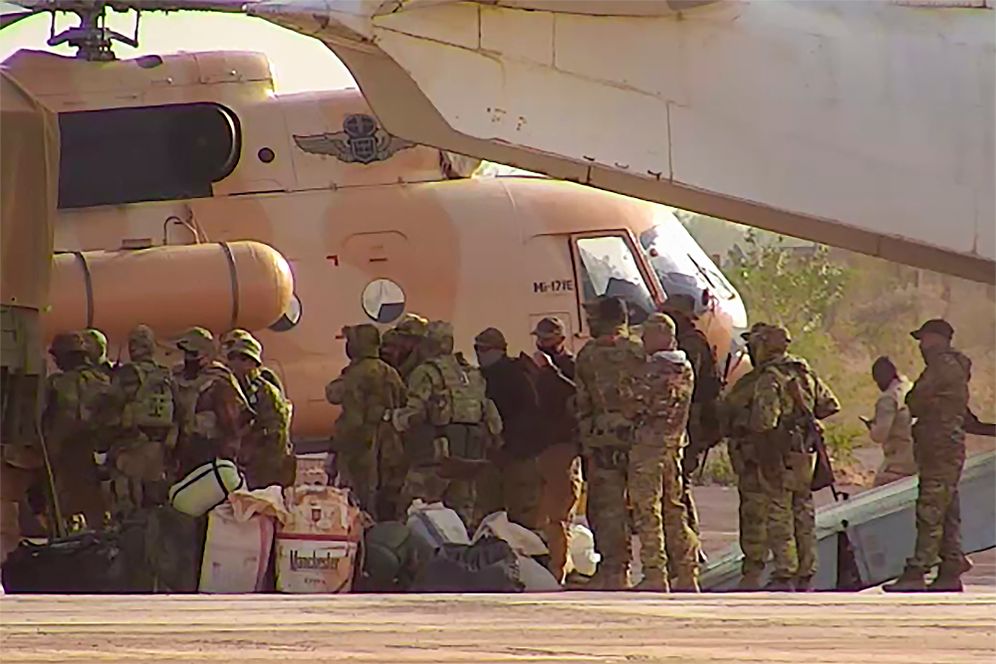
An initial assault by rebels seriously damaged the Amdafock site, according to reports. This initial rebel action set the stage for the subsequent, more devastating events. The rebel group Amdafock claimed responsibility for the attack, asserting their operational capability and reach. Following this initial engagement, mercenaries from the Russian Wagner Group (Mercenaires russes de Wagner) subsequently arrived at the base on the day following its destruction. Their arrival by air, specifically by helicopter, shows a rapid deployment capability, indicating a coordinated response or presence in the region. Captain Alain Nzilo (Capitaine, chef du détachement des FACA à Amdafock), head of the Central African Armed Forces (FACA) detachment in Amdafock, confirmed the arrival of the Wagner Group mercenaries. Mr. Nzilo stated that the mercenaries landed by helicopter at the destroyed facility, observing the aftermath of the rebel attack. This sequence of events, beginning with a rebel assault and culminating in the arrival of foreign mercenaries, paints a complex picture of the security situation in Amdafock, noting the multi-layered challenges faced by national forces. The presence and actions of the Wagner Group mercenaries have become a recurring factor in the Central African Republic's internal conflicts, often operating in concert with or in support of government forces, though sometimes with unexpected outcomes as seen in this incident.
Mercenary Bombardment and Aftermath
The situation took a dramatic turn when the Russian mercenaries systematically bombarded the Amdafock base, resulting in its complete destruction. This bombardment ensured the facility was 100% destroyed, leaving no operational infrastructure intact. The national army, also known as the FACA, no longer maintains a base in Amdafock following the assault, effectively losing a strategic outpost that was vital for regional security. Sources indicate that there were no personnel remaining inside the base when the bombardment occurred, preventing further casualties among the FACA forces. This detail suggests that the FACA personnel had evacuated the premises after the initial rebel assault but before the mercenary bombardment, a move that likely saved lives but ceded control of the facility. The systematic nature of the bombardment by the Russian mercenaries, leading to the total destruction of the base, raises critical questions about their operational protocols and coordination with national forces. The complete loss of the base represents a significant blow to the FACA’s ability to project power and maintain order in the Amdafock area, necessitating a rapid strategic reassessment.
The destruction of the base by what has been described as "friendly fire" brings an end to the episode known as the "grand sprint nocturne." This previous incident had been won by the gendarmerie, noting their role in local security operations and their capability to secure the area. The gendarmerie maintains a local brigade in the area, indicating a continued security presence despite the loss of the army base. The gendarmerie is an important security force, often serving as the primary law enforcement and security presence in many localities, and their enduring presence in Amdafock offers a measure of stability. The total destruction of the national army base in Amdafock represents a significant operational setback for the FACA, necessitating immediate strategic adjustments to re-establish their presence and authority. The fact that the destruction was carried out by allied forces, albeit under chaotic circumstances, adds a layer of complexity to the incident, showing potential communication breakdowns or misjudgments in the field. This event will undoubtedly influence future operational planning and coordination between the FACA and their international partners.
Political and Operational Fallout
The destruction of the Amdafock army base has prompted significant operational and political considerations for Bangui, the capital. The Forces Armées Centrafricaines (FACA) are currently evaluating options for establishing a new presence in the area, recognizing the strategic importance of Amdafock as a key location for maintaining security and stability. The FACA are considering two primary choices for re-establishing their footprint: either renting a house within the city of Amdafock to serve as a temporary operational base or negotiating a co-location arrangement with the local gendarmerie. This latter option would involve sharing facilities with the existing gendarmerie brigade, potentially fostering closer cooperation and resource sharing between the two security forces. Both options show the urgent need for the FACA to regain a foothold in the locality to prevent a security vacuum and reassert national authority. The decision-making process in Bangui reflects the critical need to adapt quickly to evolving ground realities and to ensure that the FACA can continue its mission despite the recent setback.
Sources indicate the destruction of the base by "friendly fire" shows a disconnect between official propaganda from Bangui and the management practices of Russian sponsors on the ground. This incident notes perceived organizational challenges and a lack of clear command and control, particularly concerning the actions of the Russian mercenaries. The chaotic management by Russian sponsors on the ground appears to contradict the narratives often presented by Bangui, creating a disparity between rhetoric and reality regarding the effectiveness and coordination of security operations. This incident serves as a stark reminder of the complexities involved in alliances with foreign military contractors, whose operational autonomy can sometimes lead to unintended and damaging consequences for their partners. The United Nations Multidimensional Integrated Stabilization Mission in the Central African Republic (MINUSCA) has not yet issued a public statement regarding the implications of the base's destruction or the ongoing operational adjustments by the FACA. The absence of a statement from MINUSCA leaves many questions unanswered regarding the broader international response and oversight of such incidents, especially concerning the actions of non-state armed actors like the Wagner Group. The total destruction of the Amdafock base, a national army installation, by allied forces is an event that will undoubtedly have lasting repercussions on the military and political landscape of the Central African Republic, shaping future security strategies and international relations.