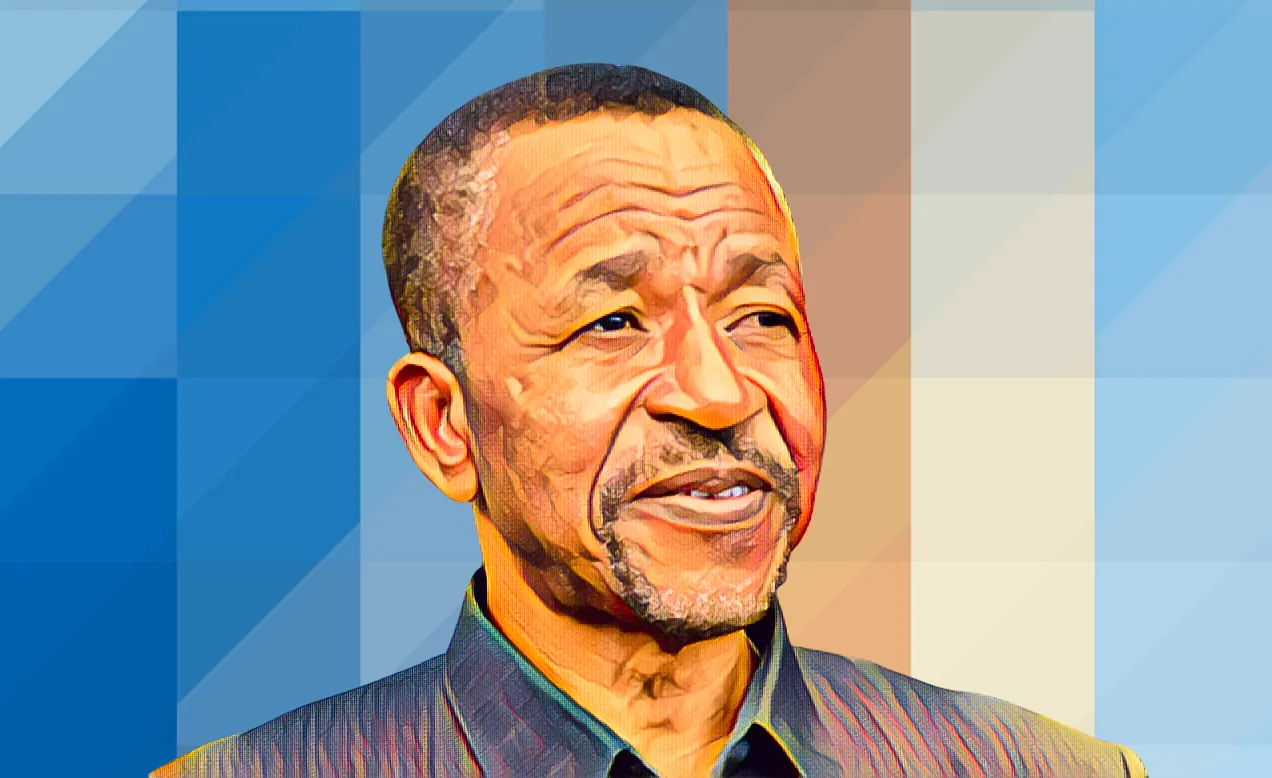
Afriland First Bank, founded by Cameroonian billionaire Paul Fokam, has opened a new branch in the Central African Republic, targeting a market where fewer than one in ten adults holds a bank account. This strategic move positions Afriland First Bank to address the significant financial exclusion prevalent in the nation. The Cameroonian lender announced its expansion in a statement released on July 15, confirming the branch has been operational since June. This move marks Afriland First Bank as the first Cameroonian financial institution to establish a presence in the Central African Republic, showing its pioneering role in regional financial integration. Zavier Ngueutheu heads the new branch, overseeing its operations and the implementation of the bank's strategy in this nascent market. The bank's entry aims to address the significant unbanked population within the country, bringing formal financial services to a large segment of the population currently excluded from the banking system. The expansion represents a critical step for Afriland First Bank in its broader strategy to deepen financial inclusion across Central Africa and expand its footprint in underserved markets.
New Branch Details and Regulatory Approval
The new Afriland First Bank branch in the Central African Republic is capitalized at 2.15 billion CFA francs, a substantial investment reflecting the bank's commitment to the market. This figure translates to approximately $3.7 million, providing a solid financial foundation for its operations in the country. Zavier Ngueutheu, who now leads the new branch, brings significant experience to his role, having previously served as the manager of Afriland's branch located in Bertoua, Cameroon. His background in managing a branch in a neighboring country within the same economic bloc is expected to be instrumental in navigating the operational landscape of the Central African Republic.
The authorization for Afriland First Bank's expansion into the Central African Republic was granted in December by the Central African Banking Commission (COBAC), the regional regulator for banking activities within the Central African Economic and Monetary Community. This regulatory approval is a key step that allows the bank to operate legally and efficiently within the bloc. The expansion operates under a single-licence regime, a key regulatory framework designed to facilitate cross-border banking within the region. This regime permits banks already licensed in one member state of the Central African Economic and Monetary Community to establish branches in other countries within the bloc without requiring separate, additional approvals for each new location. This streamlined process significantly reduces bureaucratic hurdles and encourages regional financial integration, making it easier for institutions like Afriland First Bank to expand their services. COBAC's role as the regional regulator ensures a consistent and stable banking environment across the member states, providing a predictable framework for financial institutions.
Market Opportunity in CAR
The Central African Republic presents a significant market opportunity for financial institutions, particularly given its current banking landscape. The country has approximately six million people, according to recent estimates, representing a substantial potential customer base. Despite its population, the Central African Republic currently hosts only four commercial banks, indicating a highly concentrated and underserved market. This limited number of existing financial institutions creates an opening for new entrants to capture market share and introduce new services.
The banking penetration rate in the country is estimated at a remarkably low 7 percent, indicating that a vast majority of the population remains unbanked. This low rate suggests substantial potential for growth in financial services, as millions of individuals and businesses lack access to basic banking products and services. The absence of widespread banking access often means that economic activities rely heavily on cash transactions, which can be less secure and efficient. Afriland First Bank's entry is poised to address this gap, offering modern banking solutions to a population eager for financial inclusion.
Banking assets within the Central African Republic totaled 519.6 billion CFA francs at the close of 2025. This figure is equivalent to approximately $907 million, reflecting the relatively small size of the country's overall banking sector. The combination of a small banking sector and a high unbanked population notes the potential for new entrants to not only capture market share but also significantly expand financial inclusion. By targeting this underserved market, Afriland First Bank aims to play a key role in the economic development of the Central African Republic, fostering growth through increased access to credit, savings, and payment systems. The bank's presence could stimulate competition, leading to improved services and more competitive pricing for consumers.
Afriland's Strategic Goals and Expansion Plans
Afriland First Bank has outlined ambitious strategic aspirations for its operations in the Central African Republic. The bank aims to capture 10 percent of the market's deposits by 2030, a goal that shows its confidence in the market's potential and its ability to attract customers. To achieve this, the bank intends to focus its efforts on serving local businesses within the country, recognizing their critical role in economic growth. This focus will be alongside supporting Cameroonian companies that already operate there, leveraging existing commercial ties and relationships. This dual strategy seeks to integrate the bank into the existing economic fabric while also fostering new business opportunities and strengthening regional trade.
The financial institution plans to build out a full suite of services, designed to cater to a diverse range of clients. This includes retail banking, which will offer services such as savings accounts, current accounts, and personal loans to individual customers. Corporate banking services will be provided to businesses, offering solutions for cash management, trade finance, and corporate lending. The bank will emphasize digital services, recognizing the growing importance of mobile and online banking for accessibility and efficiency in a region with developing infrastructure. This approach suggests an aim to cater to a broad spectrum of clients, from individual customers to large enterprises, and to modernize banking accessibility across the Central African Republic. The introduction of digital services is particularly key for reaching remote populations and enhancing financial literacy.
Looking beyond the Central African Republic, Afriland First Bank is preparing for further expansion within the region, demonstrating a strong growth strategy. The bank is set to enter Chad before the end of the current year, marking another significant step in its regional footprint. Following this, it has signaled plans to establish a presence in the Republic of Congo, indicating a sustained strategy for growth across Central Africa. These planned expansions highlight Afriland First Bank's commitment to becoming a leading financial institution across the Central African Economic and Monetary Community and beyond, leveraging the single-licence regime to efficiently establish its presence in multiple markets.
Afriland's History and Global Footprint
Afriland First Bank is recognized as the largest Cameroonian bank by balance sheet, a testament to its significant size and influence within its home country. The parent bank reported total assets of 2.55 trillion CFA francs ($4.45 billion) at the end of December, showcasing its substantial financial strength and operational scale. Paul Fokam founded the institution in 1986 under the name Caisse Commune d'Epargne et d'Investissement, laying the groundwork for what would become a regional banking powerhouse. It obtained its banking licence in July 1987, officially beginning its journey as a regulated financial entity. The bank was later renamed Afriland First Bank in 2002, reflecting its broader African aspirations and modern corporate identity.
Afriland First Bank operates an extensive network of subsidiaries across the continent, demonstrating its wide-reaching influence and commitment to pan-African development. It maintains a strong presence in the Democratic Republic of Congo, Equatorial Guinea, Guinea, Liberia, South Sudan, Sao Tome and Principe, Benin, and Zambia. The bank has also held interests in Uganda, further extending its reach into East Africa. The holding company, Afriland First Group, which oversees the diverse operations of the bank, is based in Geneva, providing a strategic international hub for its activities. Paul Fokam, the visionary founder, chairs the board of Afriland First Group, maintaining a guiding role in the organization's strategic direction. Fokam also built a network of microfinance cooperatives known as MC2, which plays a key role in providing financial services to underserved communities and promoting grassroots economic development. Additionally, the group launched an investment vehicle, Afriland First Holding, in Togo in 2022, further diversifying its financial services offerings and expanding its investment capabilities in the region. Paul Fokam remains the chief executive of the bank he founded, providing continuous leadership and direction to the institution.
Previous Involvement and Regional Context
Afriland First Bank was involved in arranging large-scale investment in the Central African Republic even before establishing a direct banking presence in the country. This prior engagement demonstrates a long-standing interest and understanding of the Central African Republic's economic landscape. The bank's expansion into the Central African Republic follows a period where its regional footprint had contracted, showcasing a strategic re-evaluation and renewed expansion drive. Previously, Afriland had retreated to operating primarily through a single Cameroonian subsidiary within the region, streamlining its operations after a significant structural change.
This reduction in its regional presence occurred after the government of Equatorial Guinea acquired its stake in CCEI Bank GE. The buyout of Afriland's interest in CCEI Bank GE was valued at approximately 44.7 million euros, marking a significant shift in the bank's operational structure within certain Central African markets prior to its current expansion drive. This previous consolidation allowed the bank to focus its resources, and the current expansion into the Central African Republic, Chad, and the Republic of Congo signals a new phase of aggressive growth and regional reintegration for Afriland First Bank, reinforcing its commitment to fostering financial development across Central Africa.