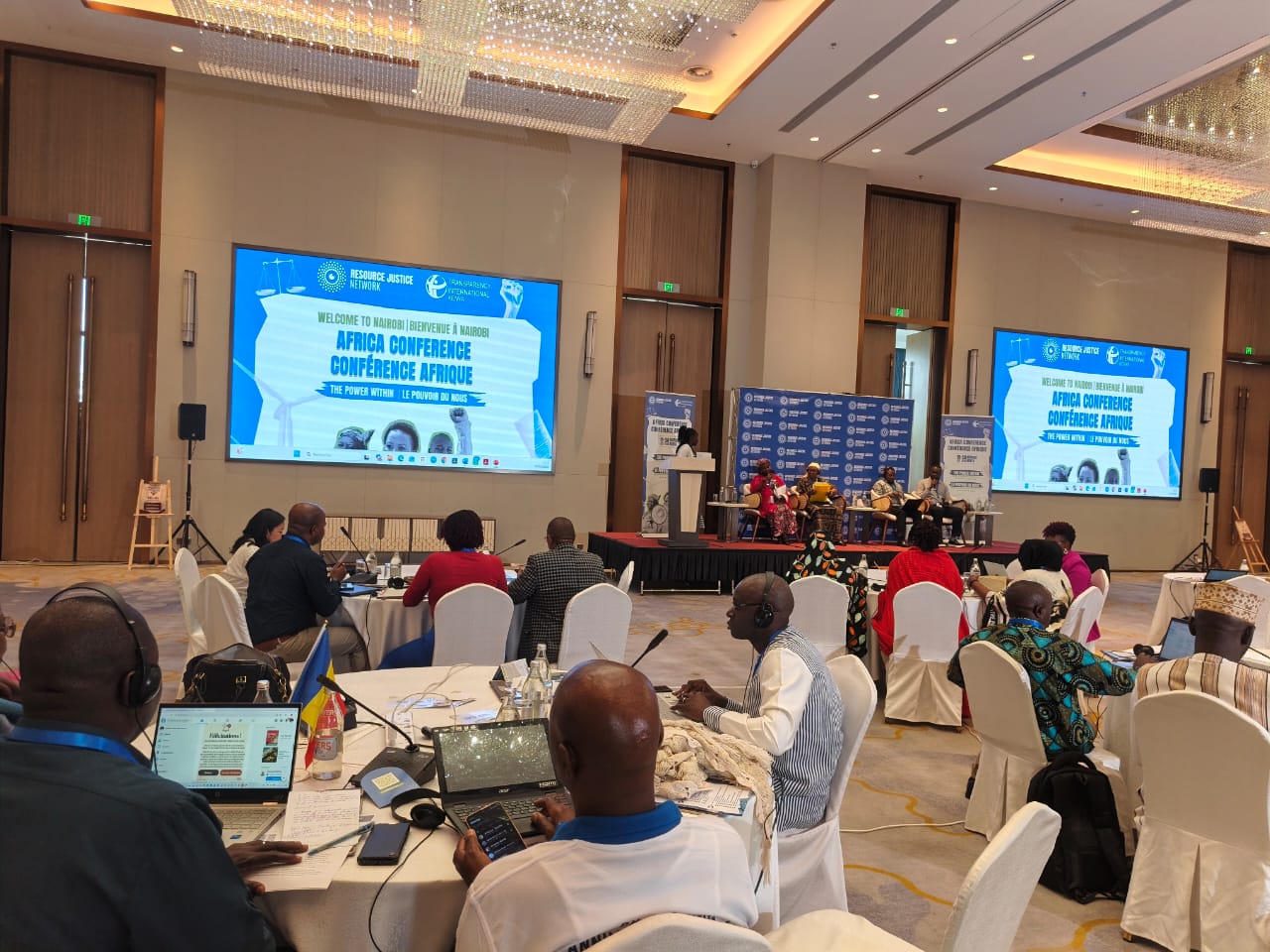
A conference on transparency in the management of natural resources began on Monday, 19 October 2026, in Nairobi, Kenya. Organizers from the Réseau pour la justice des ressources gathered representatives to address governance protocols surrounding the extraction and distribution of assets across the continent.
Participants are centering their discussions on the theme 'Le pouvoir du «Nous» : renforcer notre action collective pour un avenir juste'. The event focuses on establishing unified frameworks for monitoring institutional accountability and ensuring that resource management aligns with the interests of local communities. The Réseau pour la justice des ressources structured the sessions to identify gaps in existing oversight mechanisms while promoting collaborative strategies for future policy implementation.
The conference serves as a primary forum for delegates representing various civil society organizations to exchange data regarding the current state of resource governance. By convening in Nairobi, the Réseau pour la justice des ressources aims to foster a dialogue that transcends national borders, focusing specifically on the challenges inherent in the oversight of mining, forestry, and mineral extraction projects. The organization emphasizes that the theme, 'Le pouvoir du «Nous» : renforcer notre action collective pour un avenir juste', reflects the necessity of a unified approach to advocacy. This collective strategy is intended to bolster the influence of civil society groups when engaging with state institutions and international corporations involved in the extraction sector.
Throughout the proceedings, attendees are examining the technical aspects of transparency, including the implementation of open-data standards and the importance of public access to resource contracts. The Réseau pour la justice des ressources has facilitated working groups tasked with reviewing the effectiveness of current legislative frameworks that govern how wealth generated from natural resources is allocated. These sessions are designed to produce a set of recommendations that can be utilized by stakeholders to push for legislative reforms at both the national and regional levels.
The conference provides a platform for representatives to share case studies from their respective jurisdictions. These accounts detail the practical difficulties faced by communities affected by extraction activities, particularly regarding the lack of transparency in benefit-sharing agreements. By documenting these experiences, the Réseau pour la justice des ressources intends to build a full evidence base that notes the disconnect between policy promises and the realities of resource management.
The event schedule includes plenary sessions where experts from the Réseau pour la justice des ressources lead discussions on the role of digital tools in tracking resource flows. The objective is to ensure that institutional accountability is not merely a theoretical concept but a measurable outcome of governance reform. As the sessions progress, the focus remains on the development of a roadmap that outlines clear, actionable steps for improving transparency. This roadmap is expected to guide the future activities of the participating organizations, ensuring that the momentum generated during the conference in Nairobi is sustained.
The Réseau pour la justice des ressources has also prioritized the creation of networks between civil society actors to improve the monitoring of environmental and social impact assessments. By fostering these professional connections, the organizers hope to create a strong system of peer support that allows for the sharing of best practices in oversight and community engagement. The conference is scheduled to continue throughout the week, with the final sessions dedicated to the formal adoption of a collective statement of intent regarding future transparency initiatives. This document will serve as a foundational text for the ongoing work of the Réseau pour la justice des ressources as they continue to advocate for equitable resource distribution.