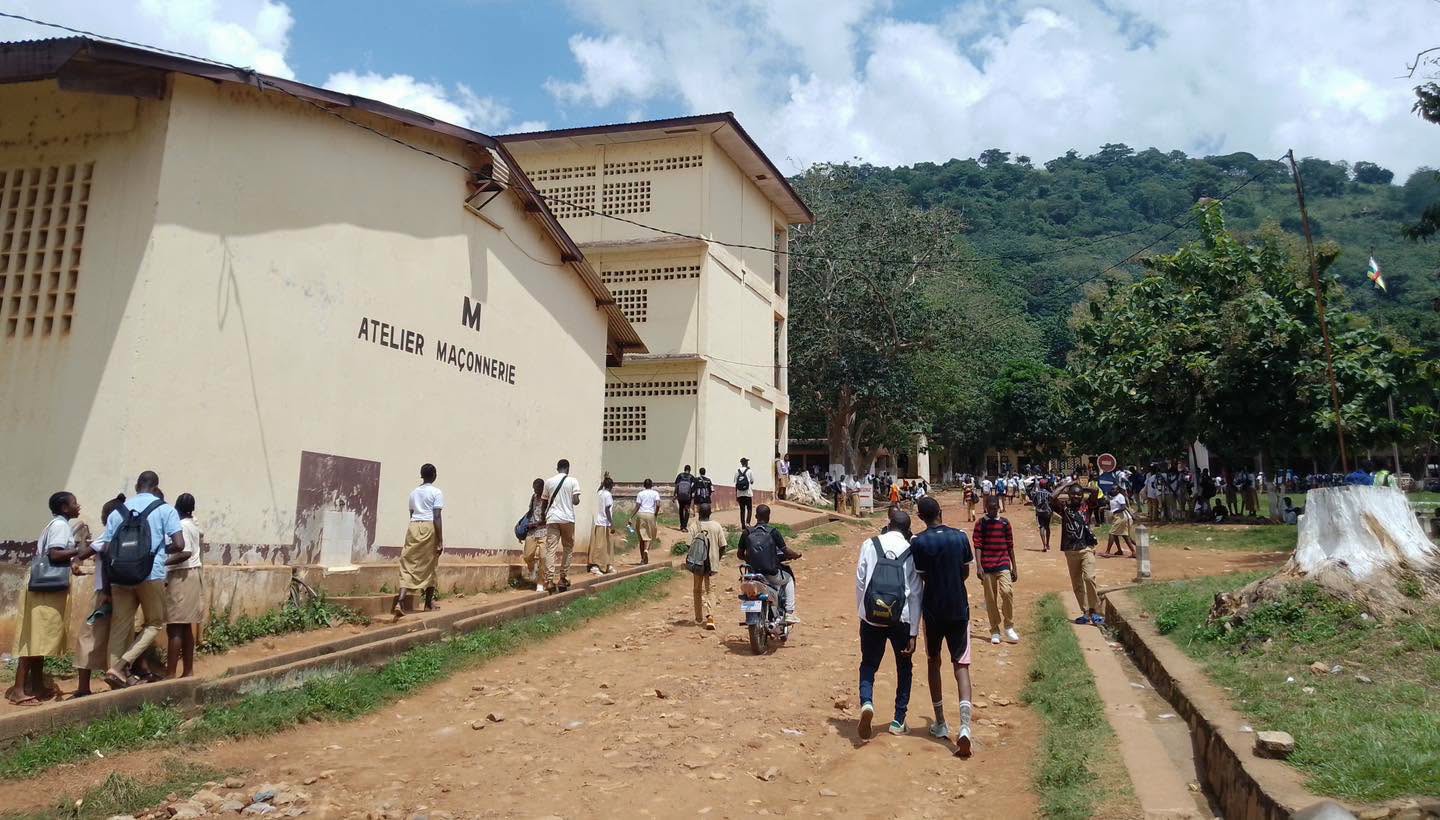
The results of the second round of the 2026 baccalauréat were unveiled on Thursday, September 10, 2026, in Bangui. The announcement follows the completion of the examinations, determining the eligibility of students for higher education. This critical phase of the academic calendar marks a significant milestone for secondary school leavers across the nation. The pass rate for this second round of the baccalauréat was recorded at 56%, indicating the proportion of candidates who successfully met the required criteria to advance their educational journeys. The release of these results is a highly anticipated event, reflecting months of preparation and study by thousands of students.
Exam Performance Breakdown
At least 5,570 candidates were admitted following the second round of the 2026 baccalauréat examinations in Bangui. This figure contributes to the overall success rate, which stood at 56% for this round. The announcement on Thursday, September 10, 2026, confirmed the number of students eligible for further education. These successful candidates have demonstrated their academic proficiency across a range of subjects, fulfilling the requirements set by the national education system. The results mark a significant step for thousands of students who participated in the rigorous examination process. The admissions reflect the performance across various academic streams offered within the baccalauréat system, including scientific, literary, and technical tracks. Officials have not yet released a detailed breakdown of results by specific subjects or examination centers, which would provide more granular insights into performance trends. Further analysis of these results is expected to provide insights into educational trends and regional disparities in academic achievement across the Central African Republic. The successful candidates will now proceed to various higher education institutions, both domestically and internationally, to continue their studies.
Context and Significance
The baccalauréat examination holds significant weight in the Central African Republic's educational system, serving as a critical gateway to higher education. Its results directly influence the academic and professional trajectories of thousands of young people across the country, shaping their future opportunities. The annual announcement of these results, particularly in Bangui, the capital, is a moment of anticipation for students, families, and educational authorities alike. Success in the baccalauréat determines eligibility for university enrollment and various post-secondary training programs, shaping the future workforce and intellectual capital of the nation. The examination is designed to assess students' full knowledge and understanding across their secondary school curriculum, ensuring they are prepared for the demands of tertiary education.
The performance of candidates in examinations such as the 2026 baccalauréat can also provide insights into the overall health and effectiveness of the educational infrastructure. A high pass rate may indicate successful teaching methodologies and adequate resource allocation, while lower rates could prompt discussions about curriculum, teacher training, or access to educational materials. These outcomes are key for policymakers to evaluate the impact of educational reforms and to identify areas requiring improvement. The outcomes of these exams are therefore closely monitored for their broader implications on national development and human capital formation within the Central African Republic. They serve as a barometer for the educational system's capacity to prepare its youth for future challenges.
Looking Ahead
The 2026 baccalauréat results, announced on Thursday, September 10, 2026, in Bangui, mark the culmination of secondary education for thousands of students. Successful candidates will now pursue higher education opportunities, both within the Central African Republic and abroad, embarking on new academic chapters. The Ministry of National Education, in collaboration with other educational stakeholders, is expected to continue its efforts to enhance the quality and accessibility of education across the country. This ongoing commitment aims to ensure that future generations have even greater opportunities for academic success. Future discussions may focus on strategies to further improve pass rates and ensure equitable opportunities for all students aiming to achieve baccalauréat certification, regardless of their background or location. The next academic year will see a new cohort preparing for these critical examinations, building on the experiences and outcomes of the 2026 session, as the nation continues to invest in its human capital.